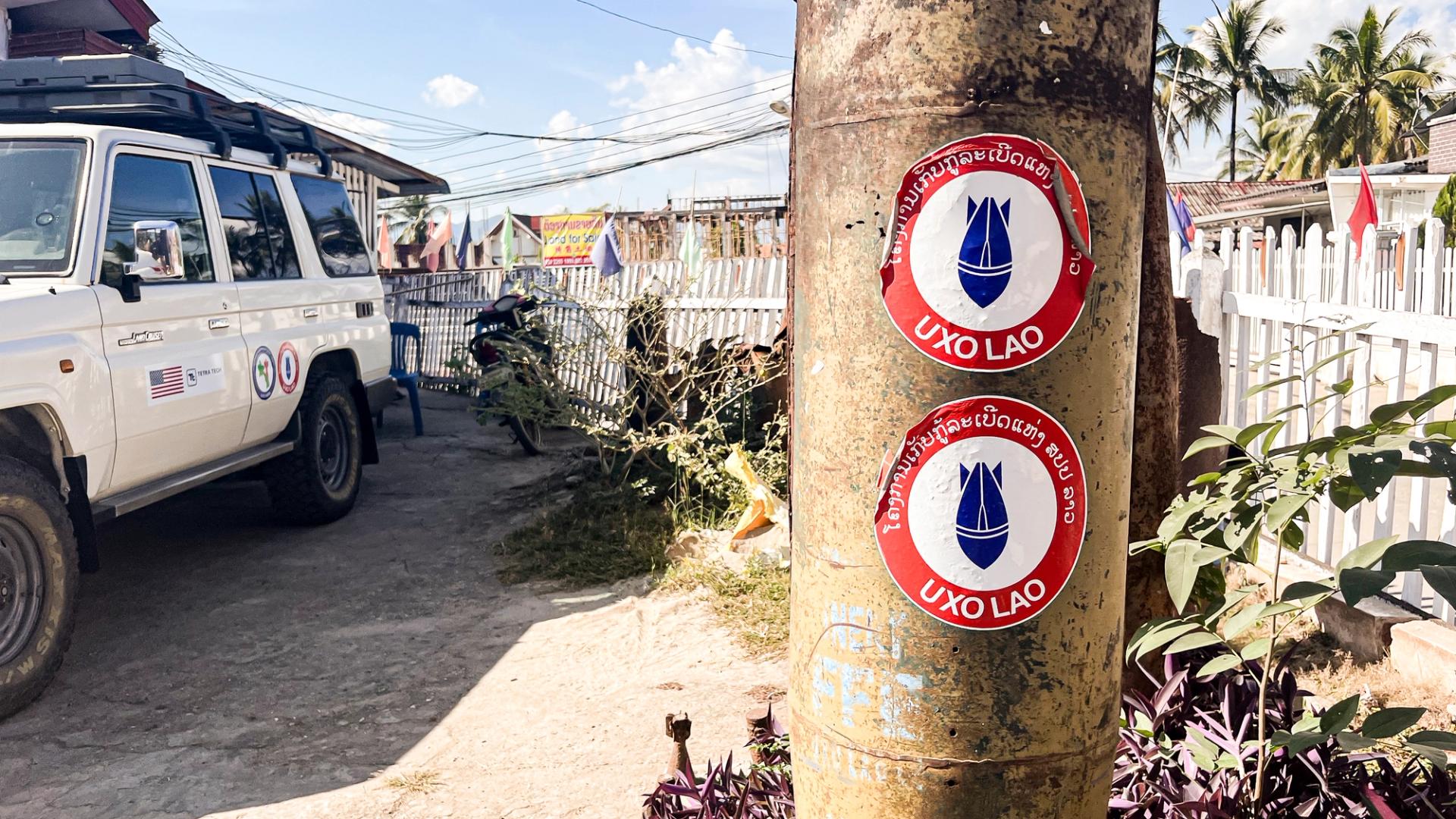
Apocalypse, Still...
UXO Lao
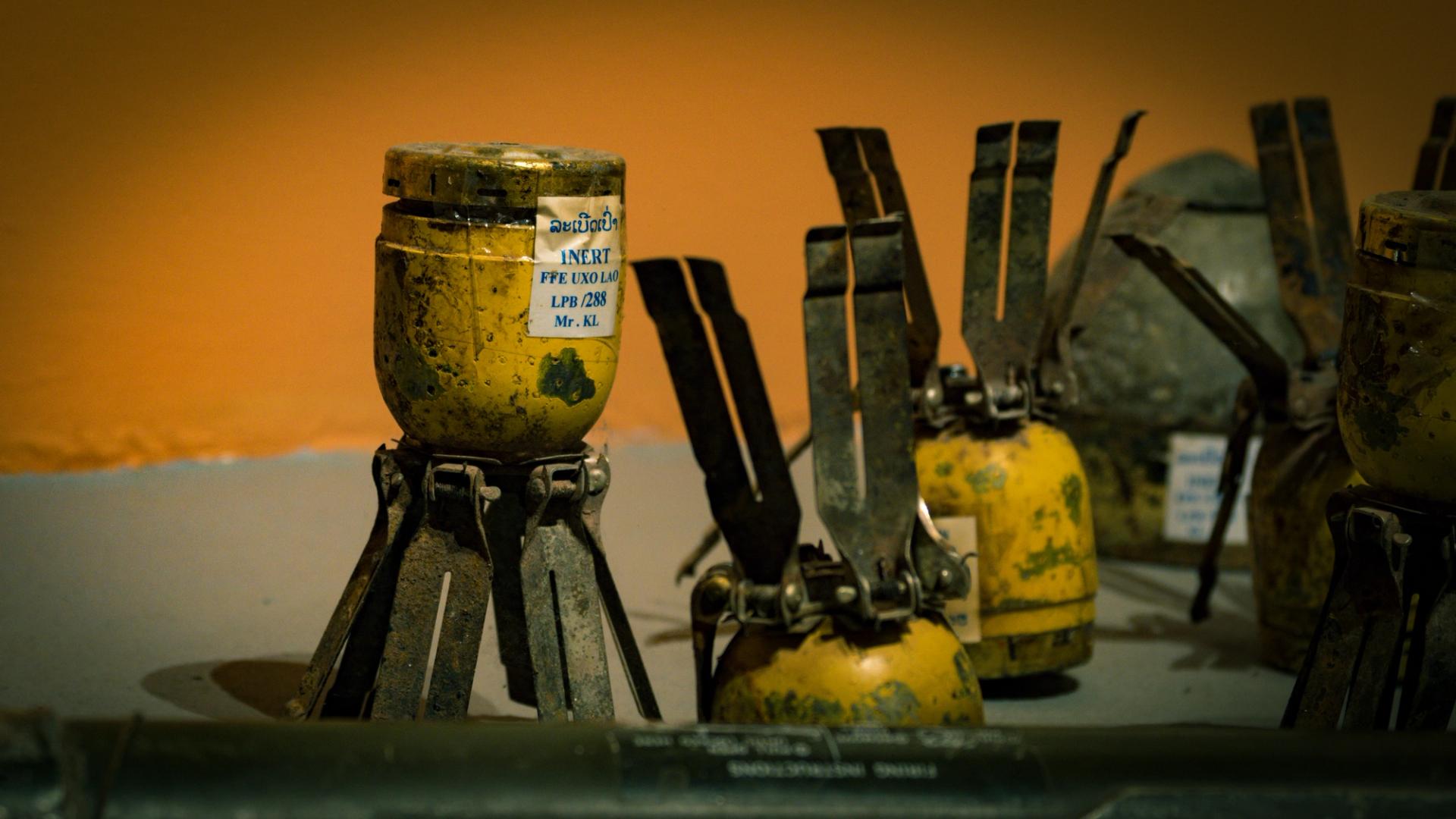
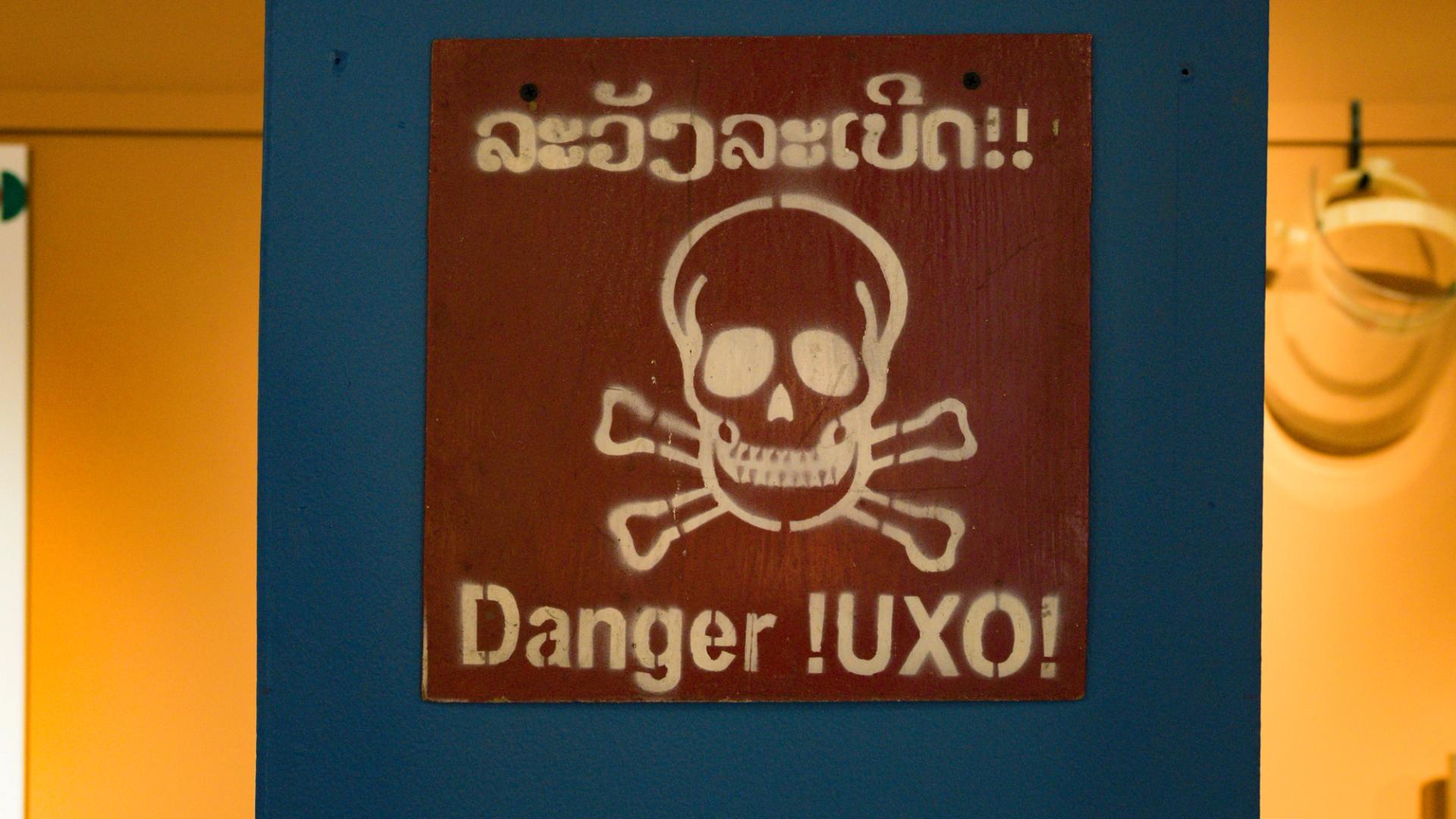
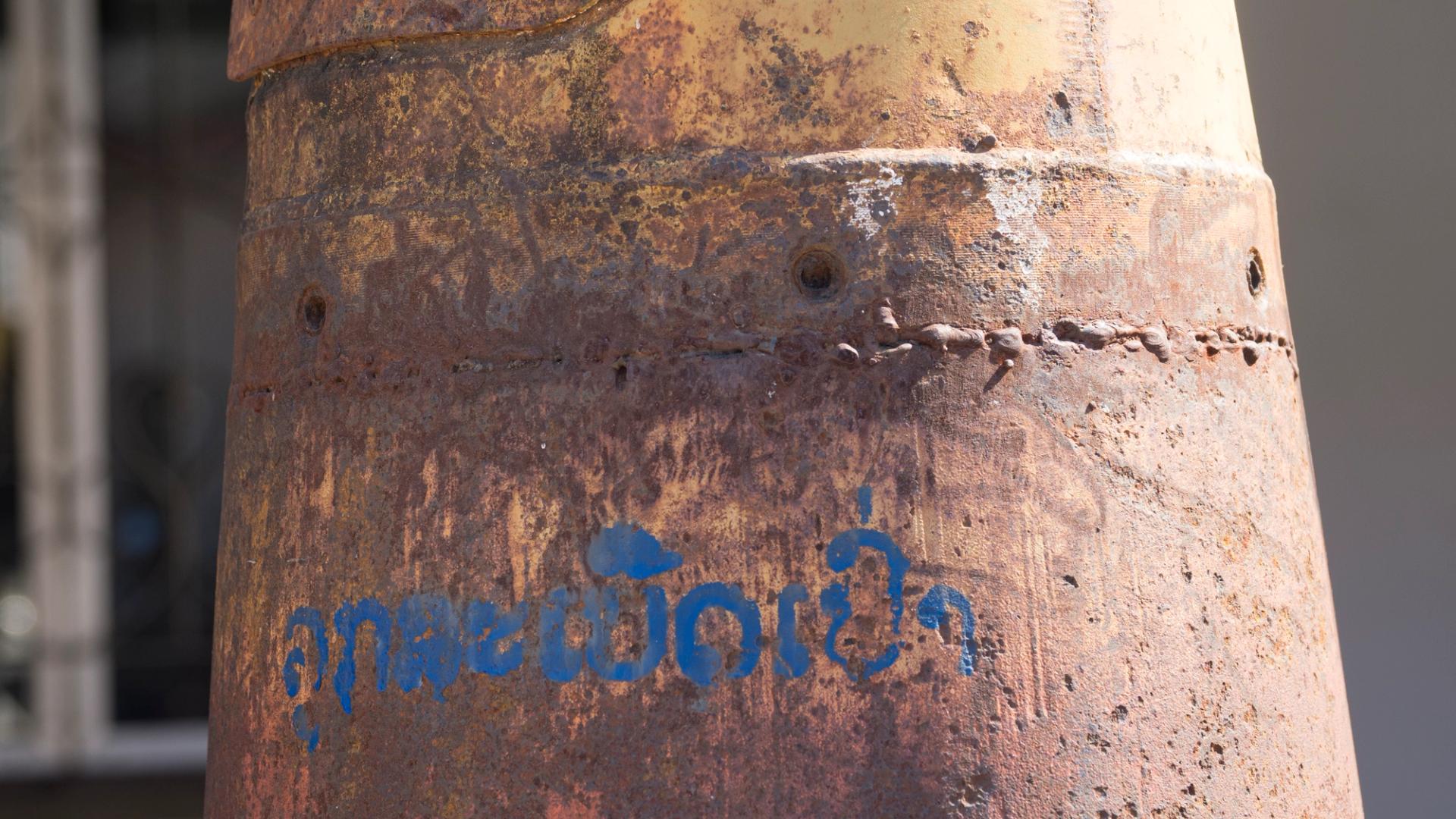
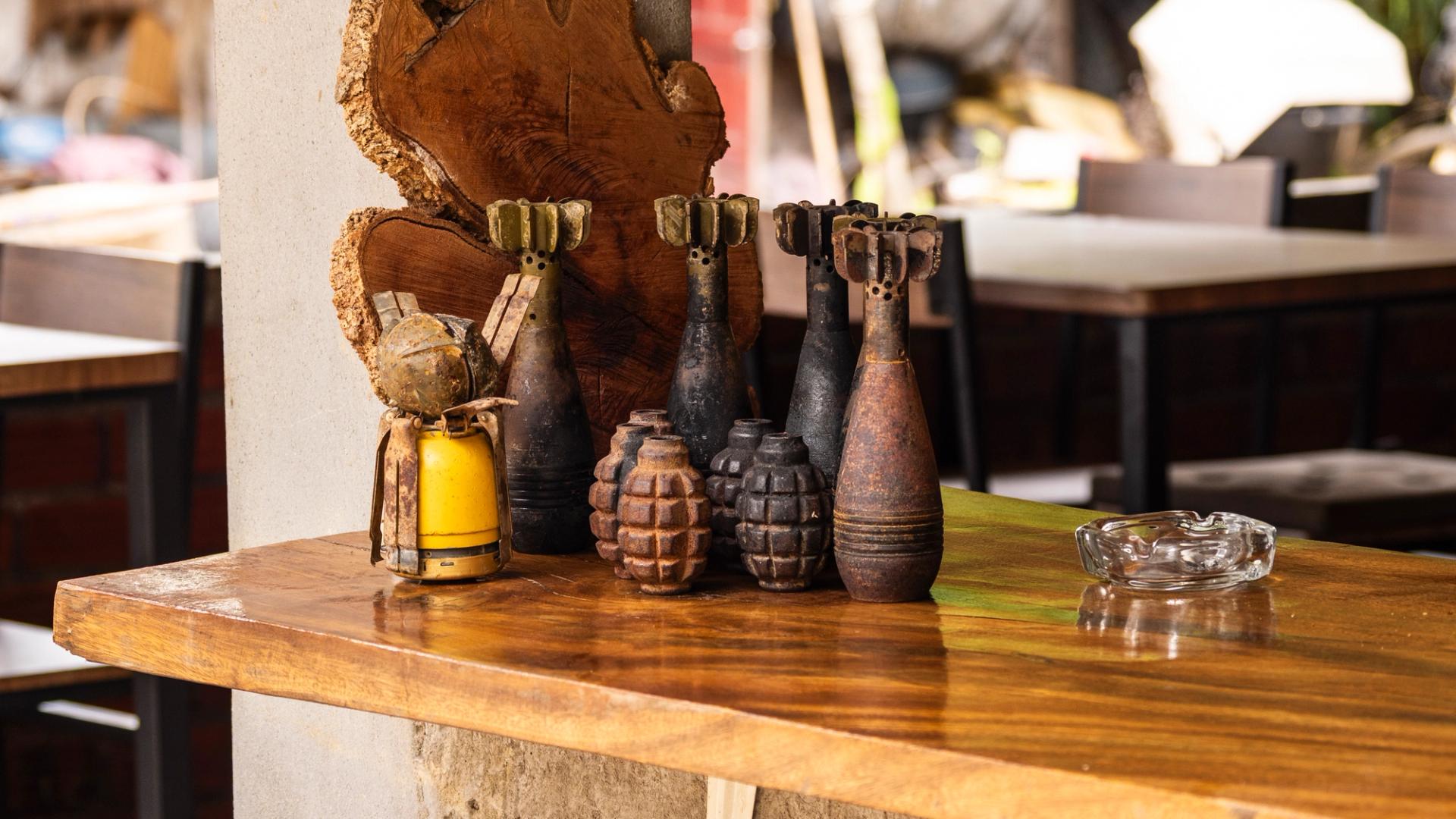
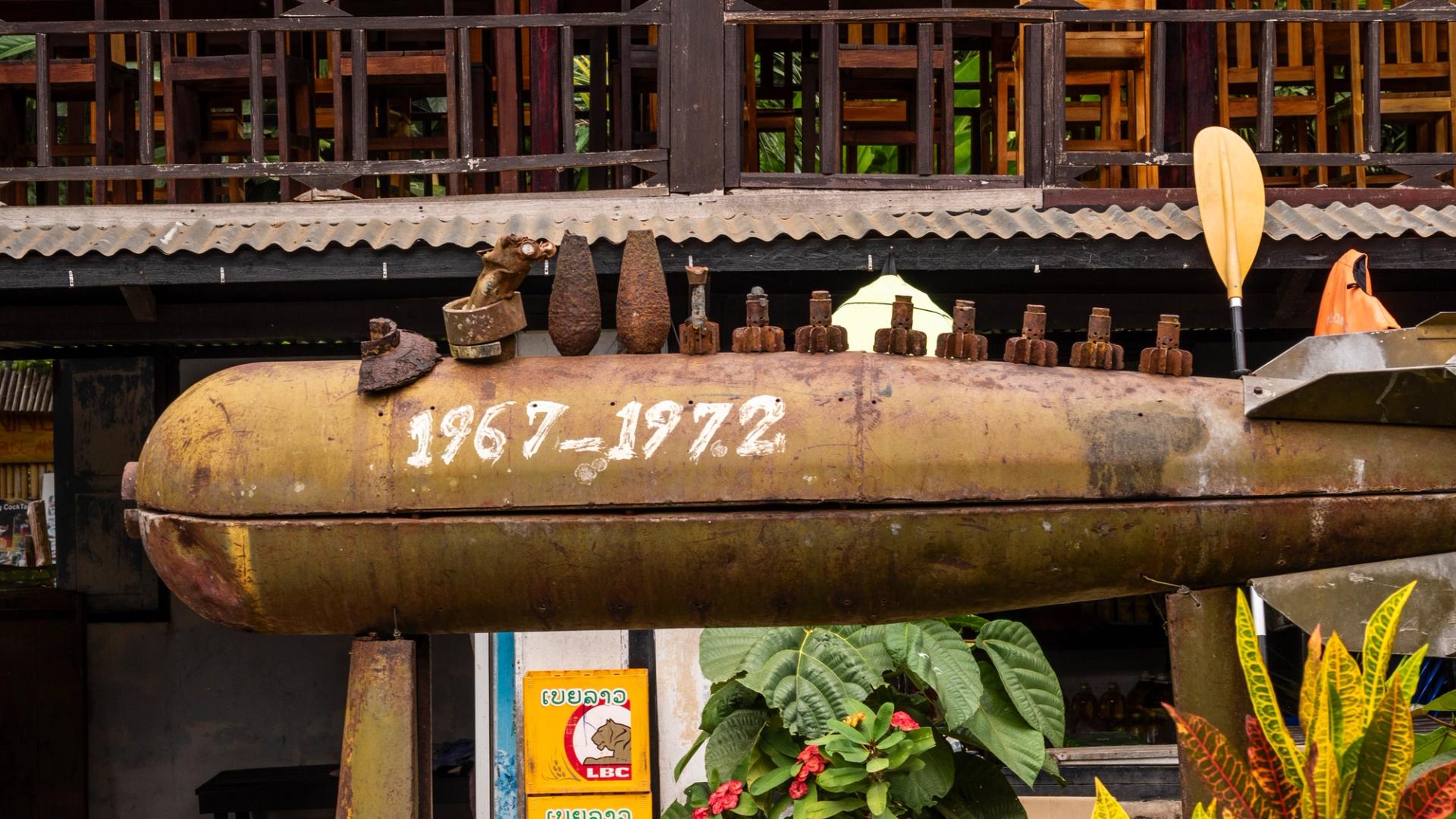
UXO Lao is the national organisation responsible for clearing unexploded ordnance across Laos, a deadly legacy of the Indochina War, the US "Secret War" (1964–1973). Laos remains the most heavily bombed country per capita in history, with millions of bombs failing to detonate and still contaminating farmland, forests, villages and riverbanks to this day. These hidden explosives continue to injure and kill civilians decades after the war ended, particularly in rural and poorer regions.
UXO Lao works nationwide to make land safe again through careful survey, clearance, risk education, and support for affected communities. Trained teams methodically locate, excavate and destroy UXOs by hand, allowing villages to farm, build schools, and move safely. While accidents have fallen and large areas have been cleared, progress is necessarily slow: contamination remains widespread and at current rates full clearance will take many decades.
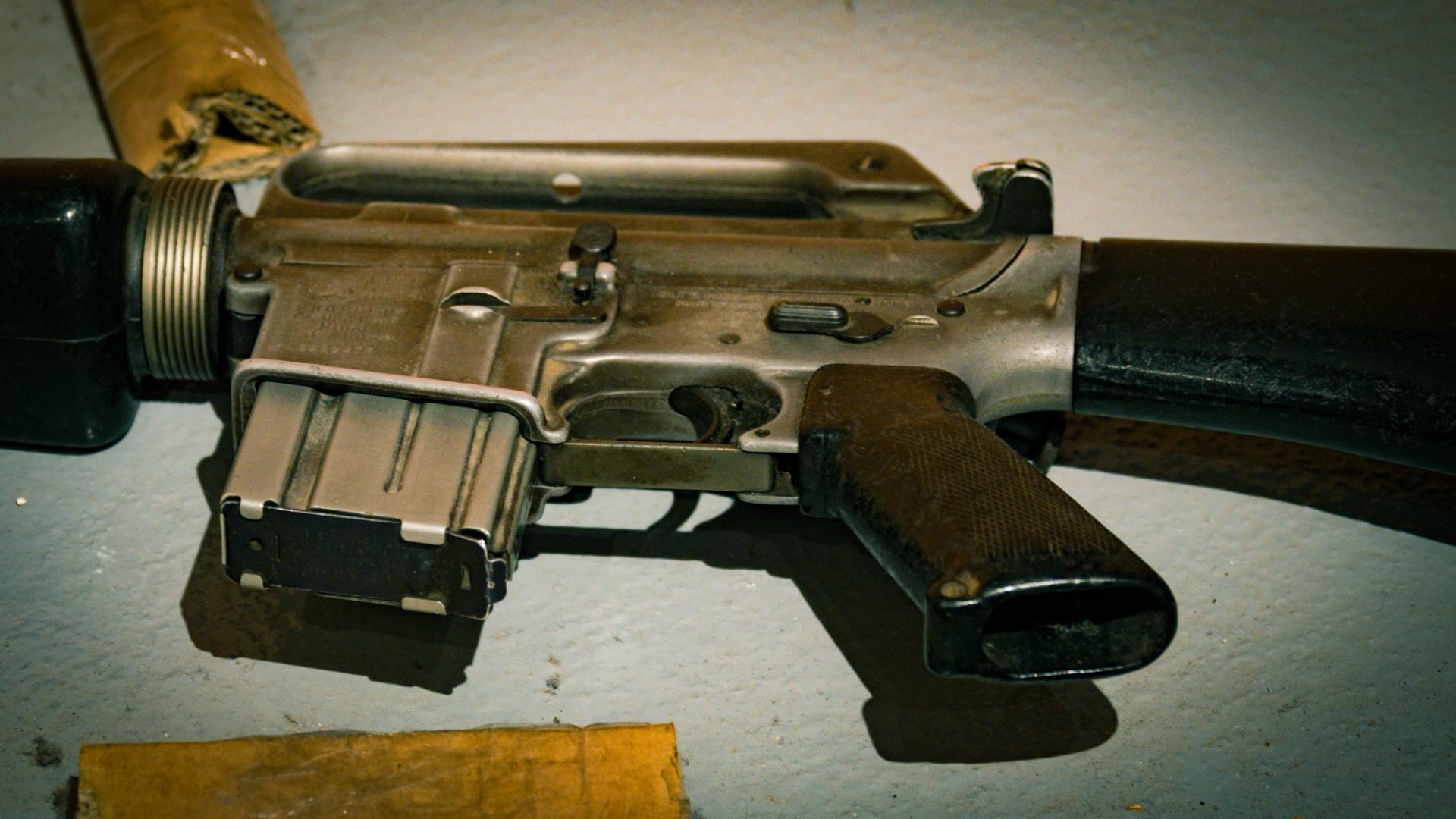
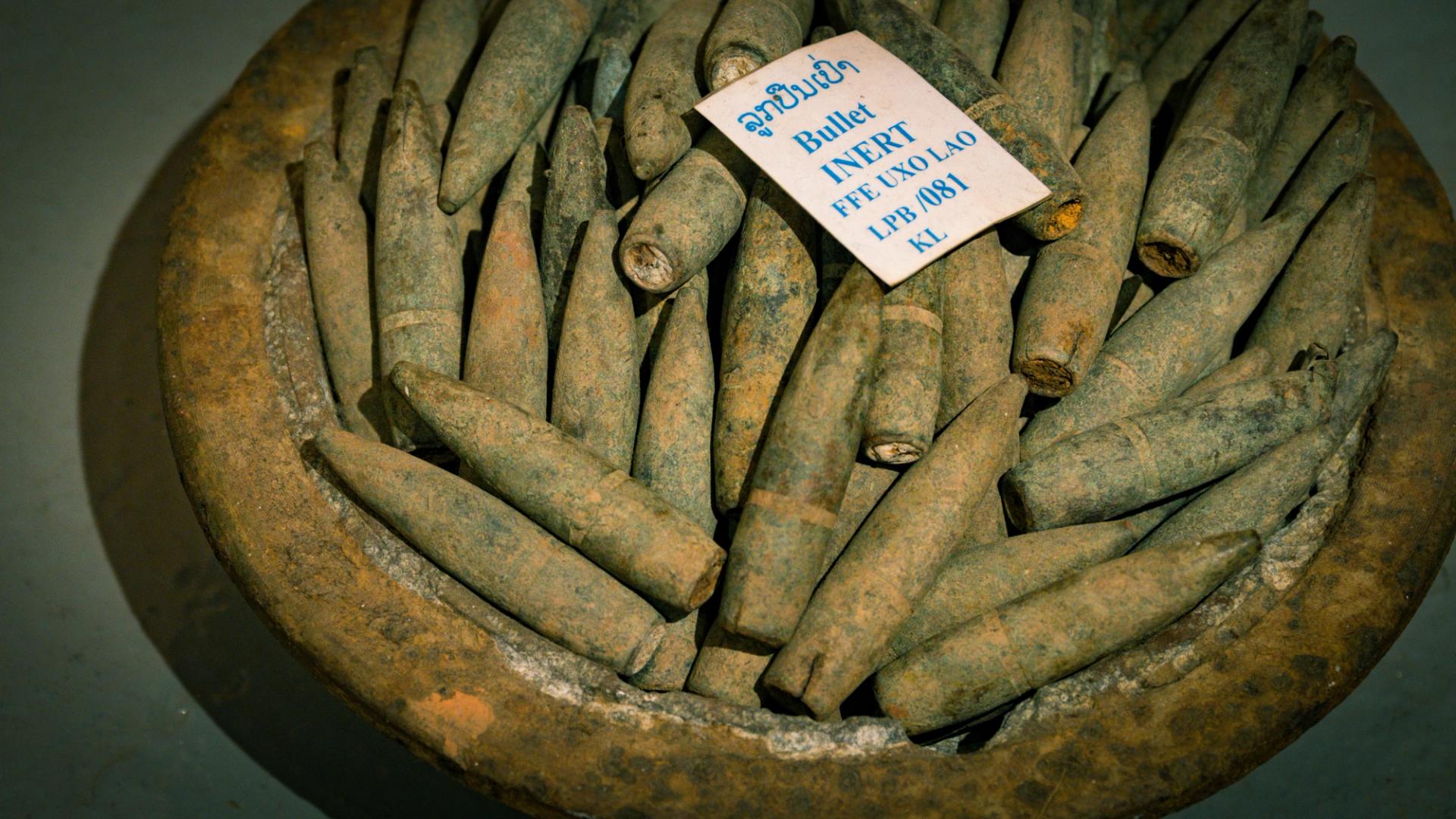
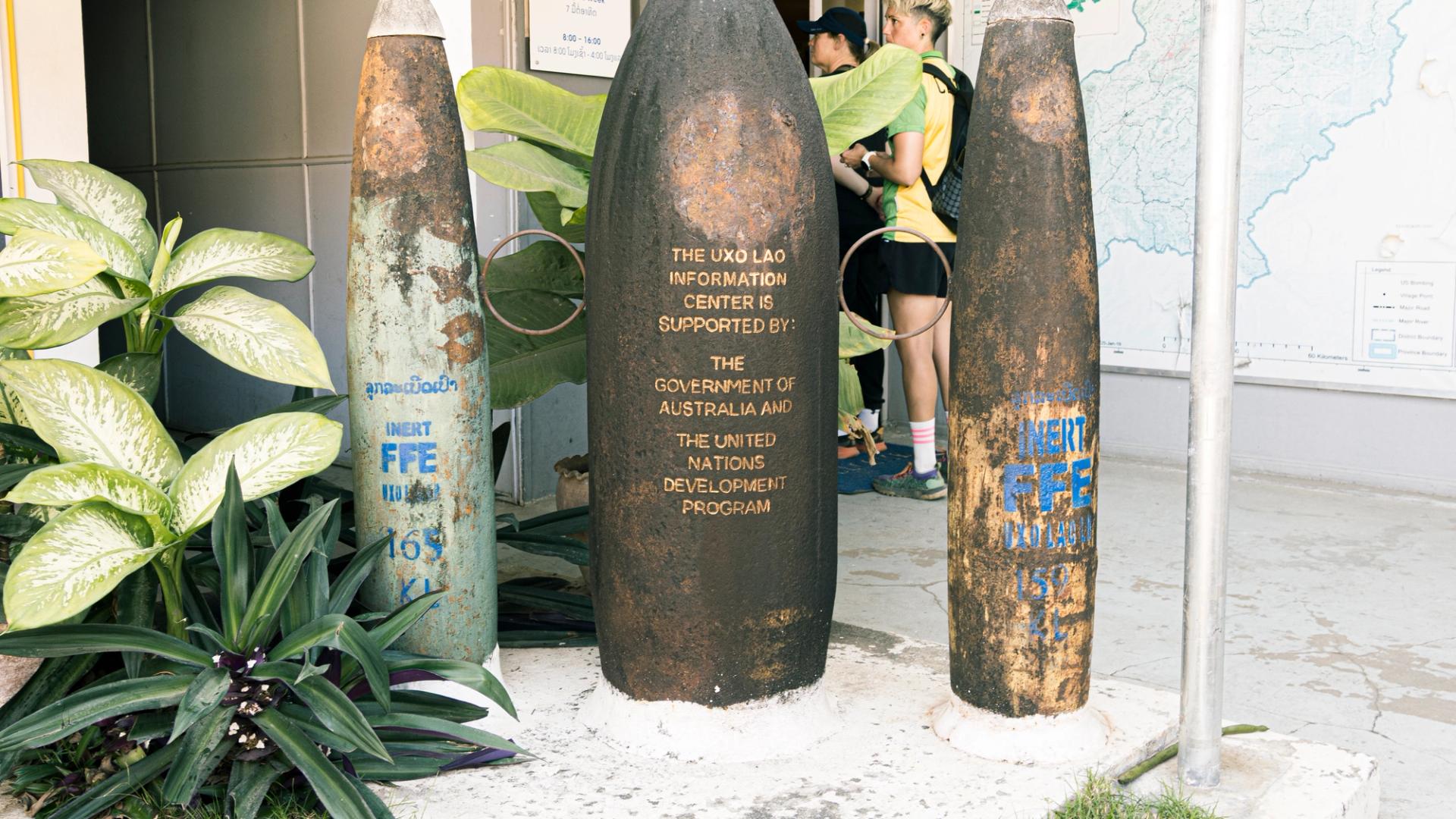
Why did America bomb Laos?
Laos was a French colony from 1893 until 1953. After independence, the country experienced increasing political instability. In 1961—four years before the Vietnam War escalated—the CIA began funding a covert “Secret War” in Laos.
The Hmong people were recruited as a surrogate army - recruited, coerced, or compelled by circumstance - fighting what the US government perceived as the threat of communism “consuming” Laos and spreading to neighbouring countries across Asia, in line with Cold War domino theory thinking.
By 1964 the United States had escalated its involvement in Laos into an unprecedented, covert bombing campaign. In what has since become known as the "Secret War", the United States dropped two million tons of ordnance on the country — the equivalent of an entire planeload of bombs “every 8 minutes, 24-hours a day, for 9 years” on an area the size of England and Wales combined.
As one survivor recounted: the bombs “fell like rain”, razing entire villages to the ground and rendering farms and fields unusable.
It was not until the publication of the Pentagon Papers in 1971 that the public was made aware of the extent of US government atrocities, and not until two years later that the campaign formally ended. By the end of the secret war, tens of thousands had been killed by US bombs, and a full quarter of the population was displaced from their homes. To this day Laos remains the most heavily bombed country in history (per capita).
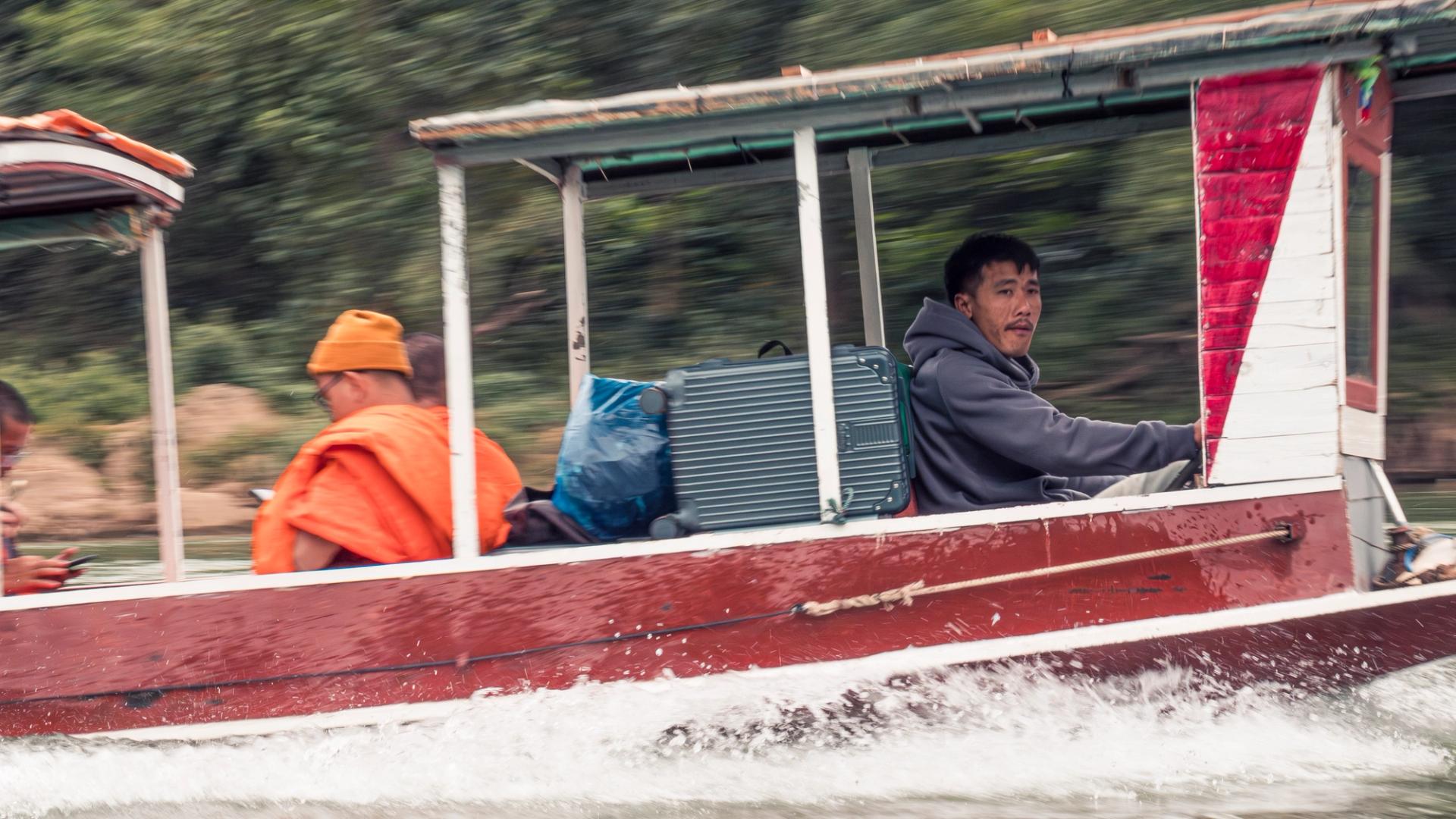
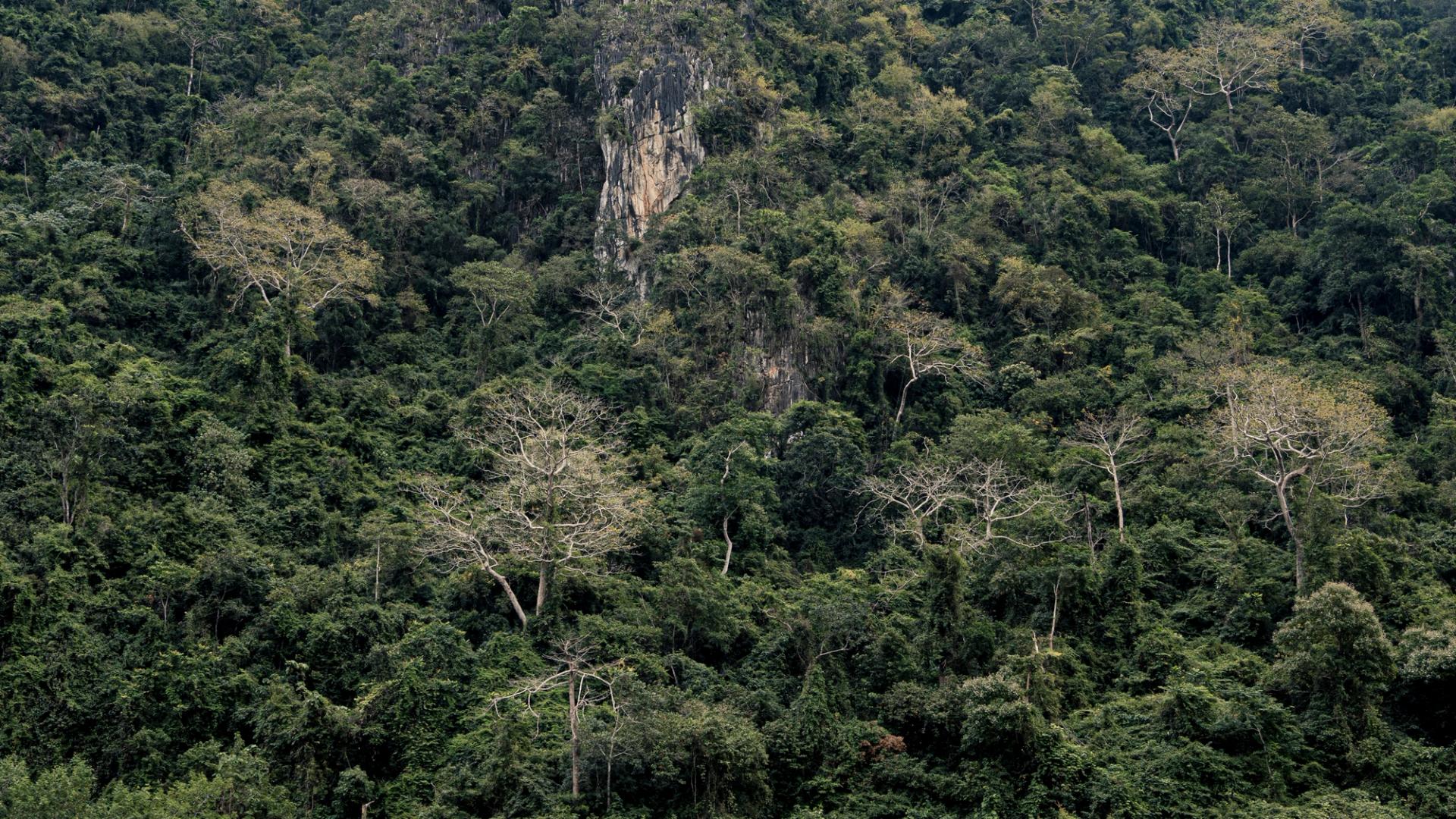
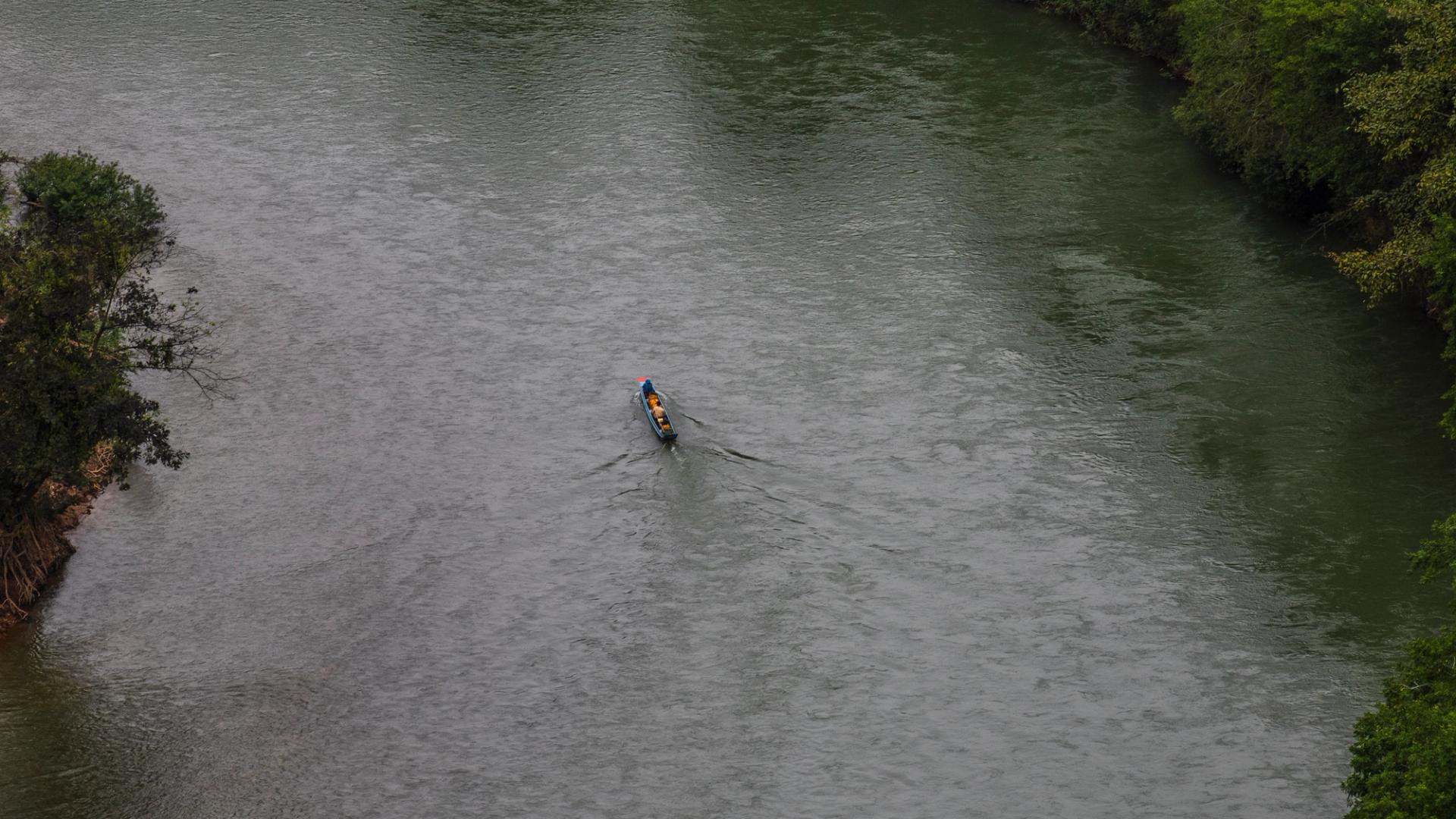
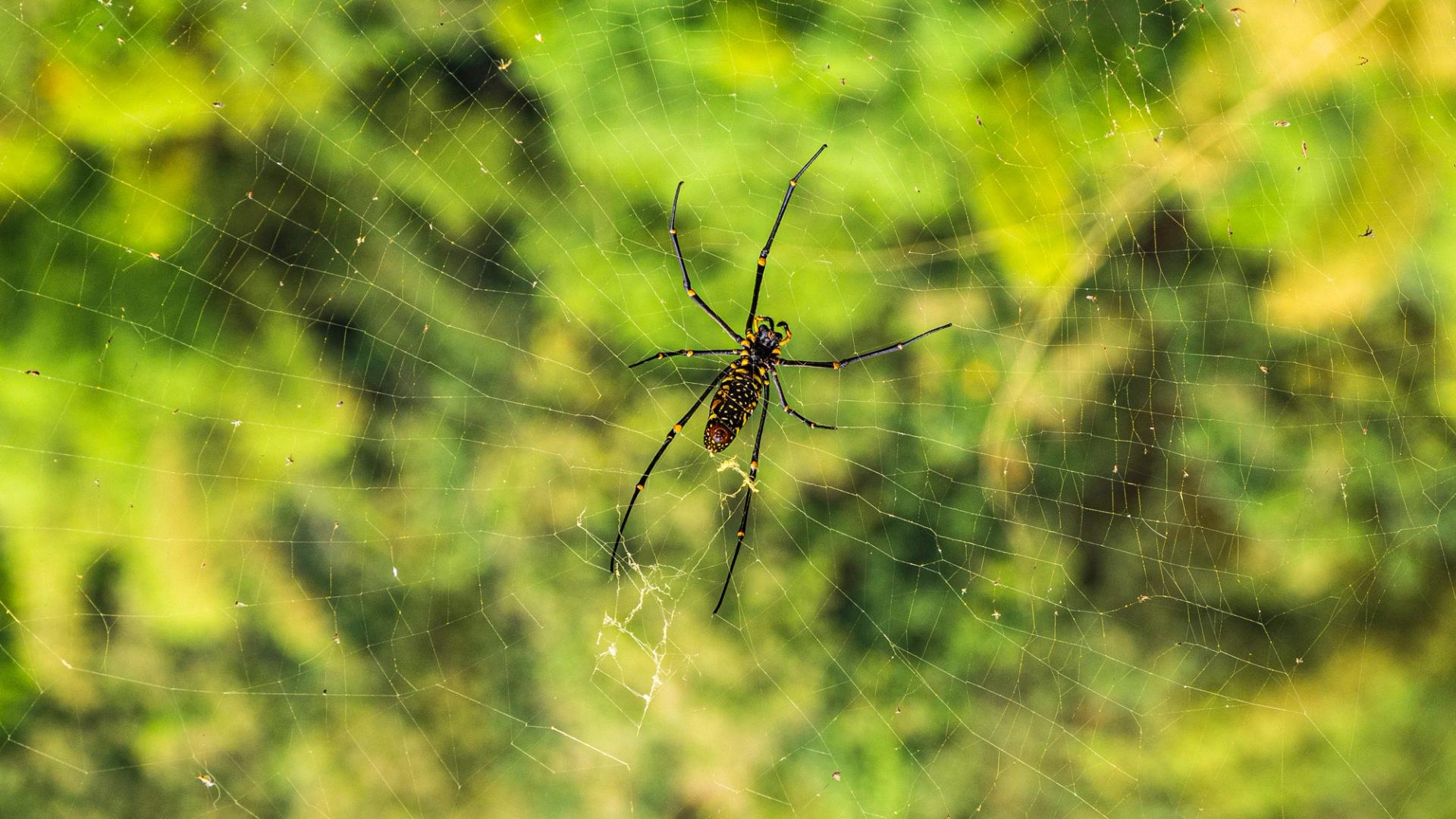
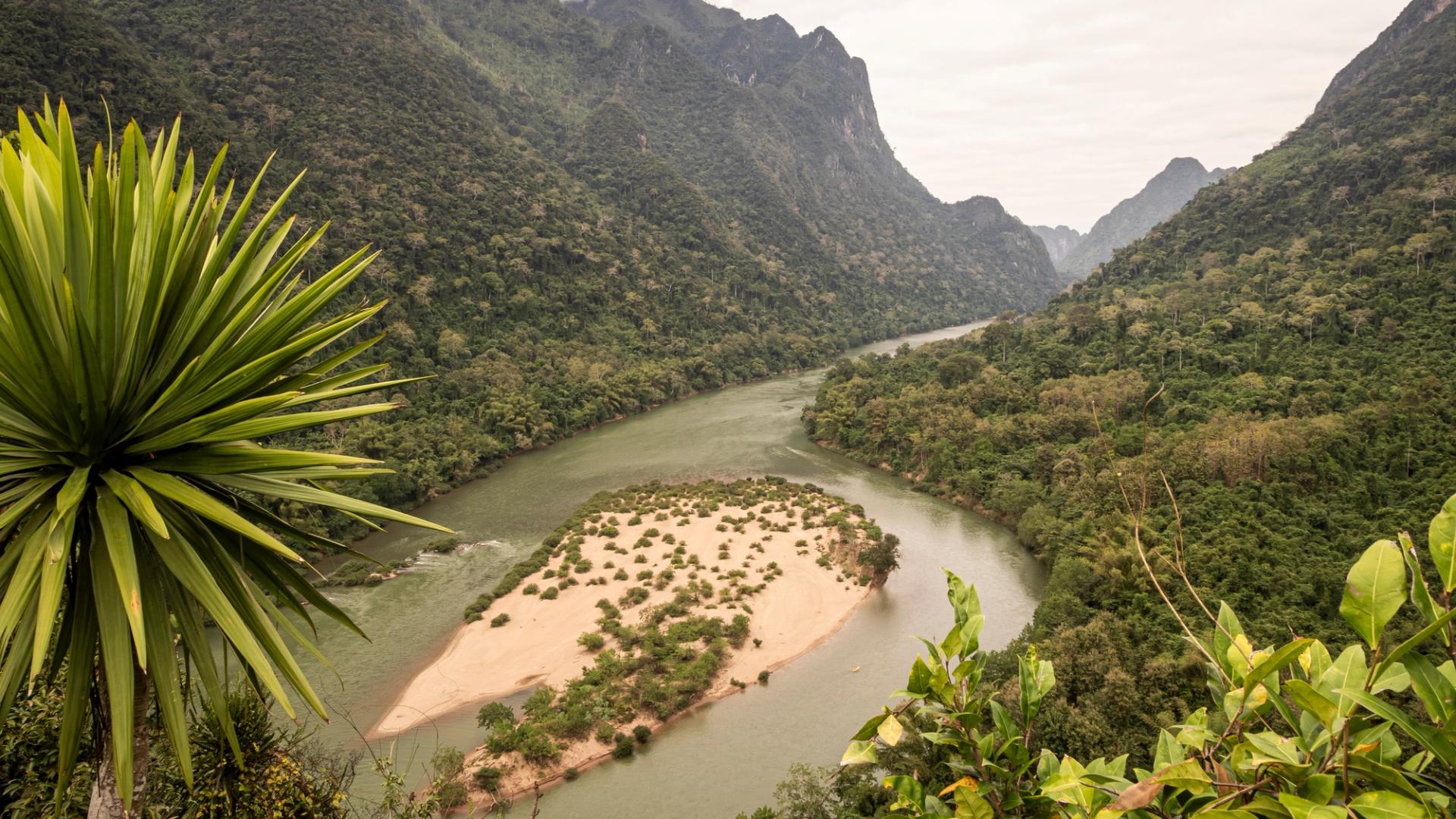
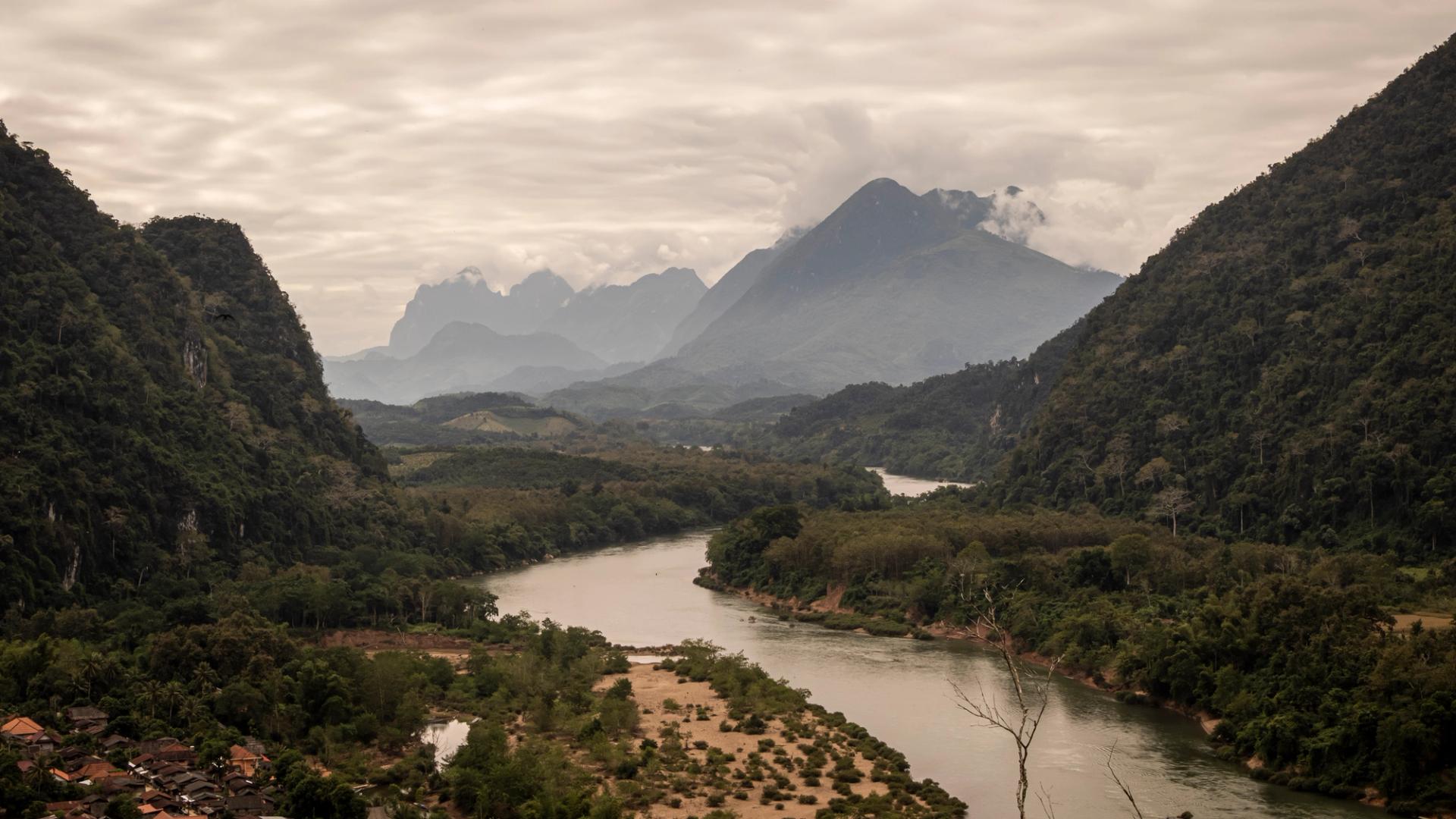
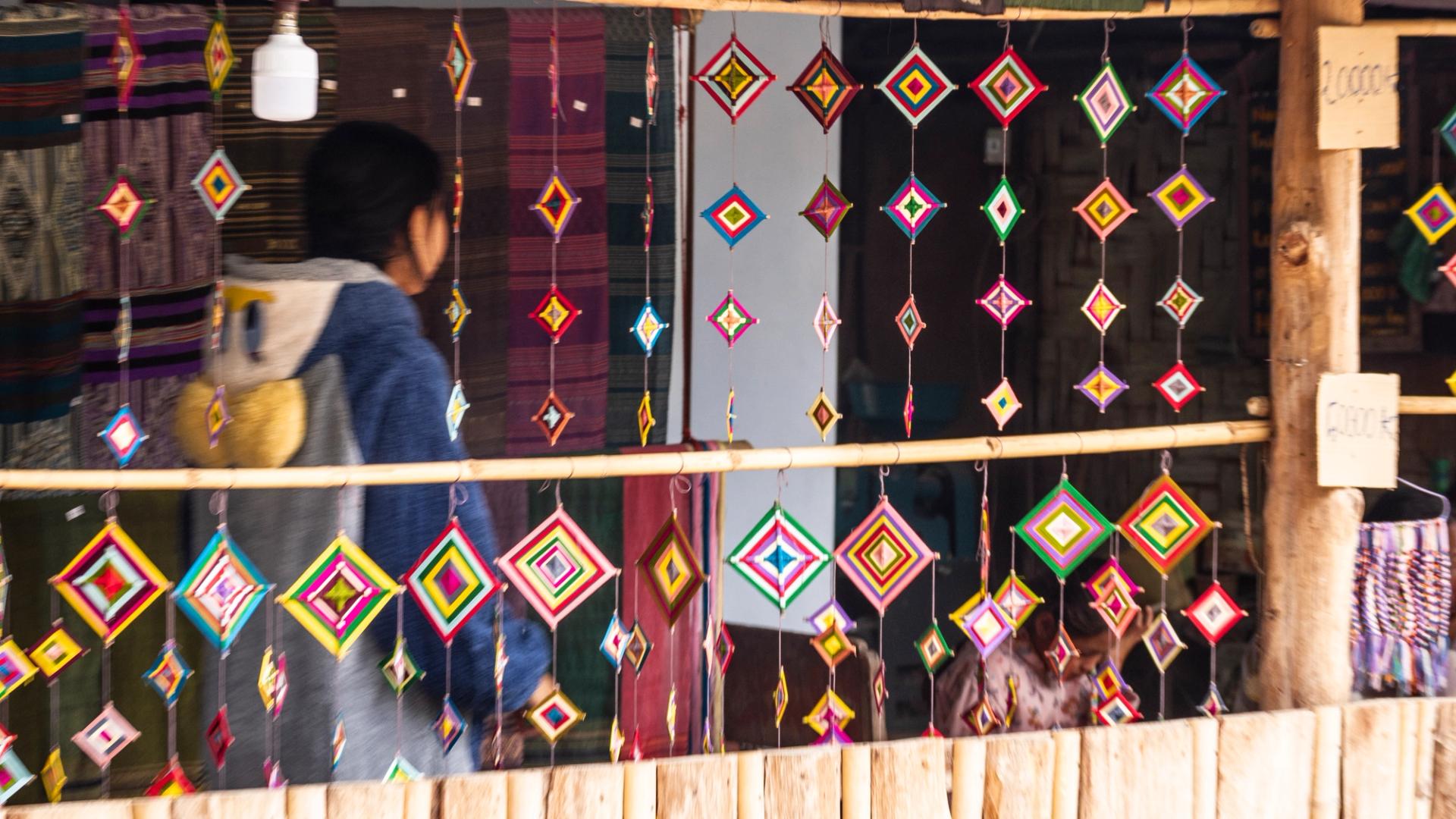
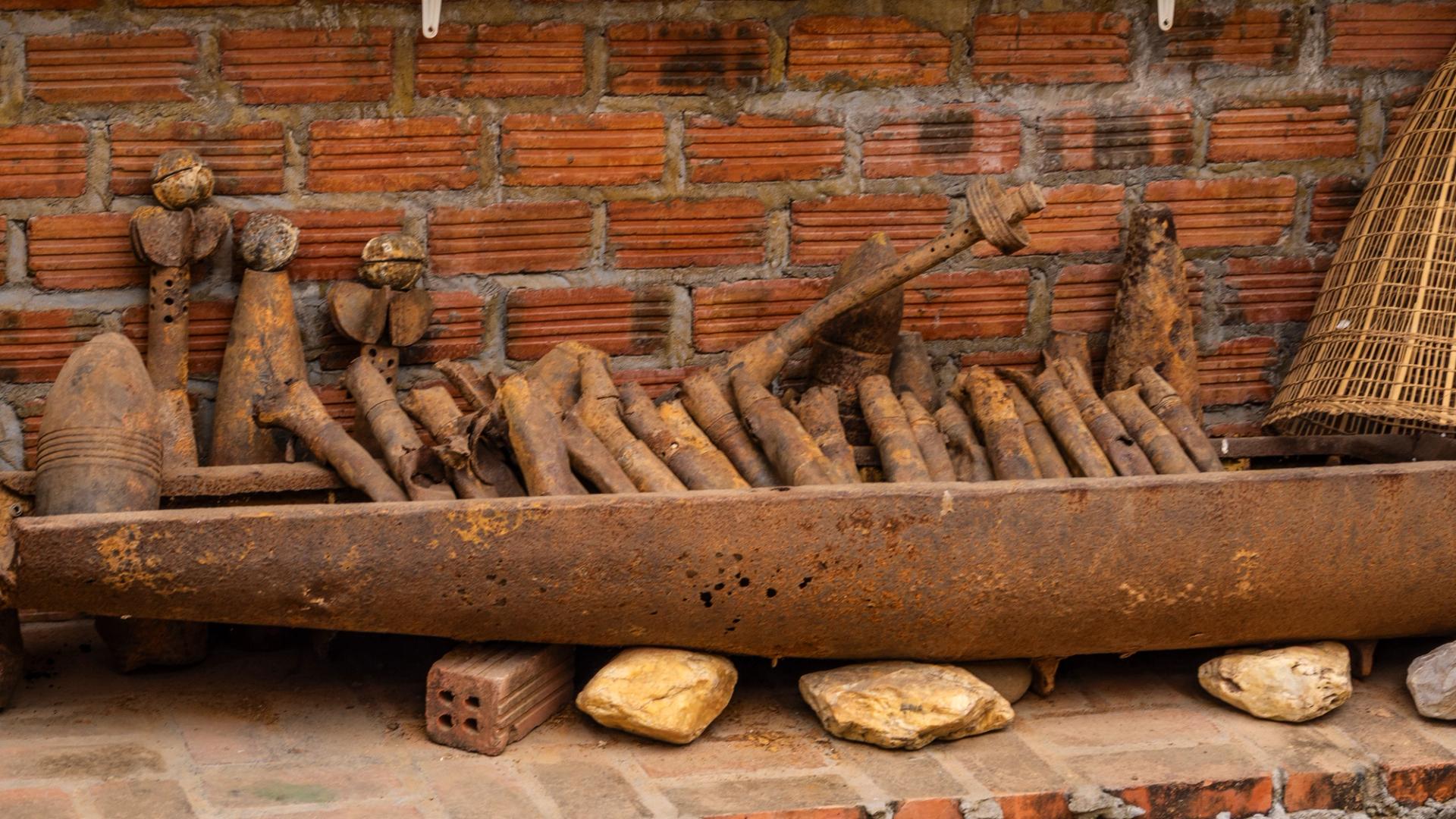

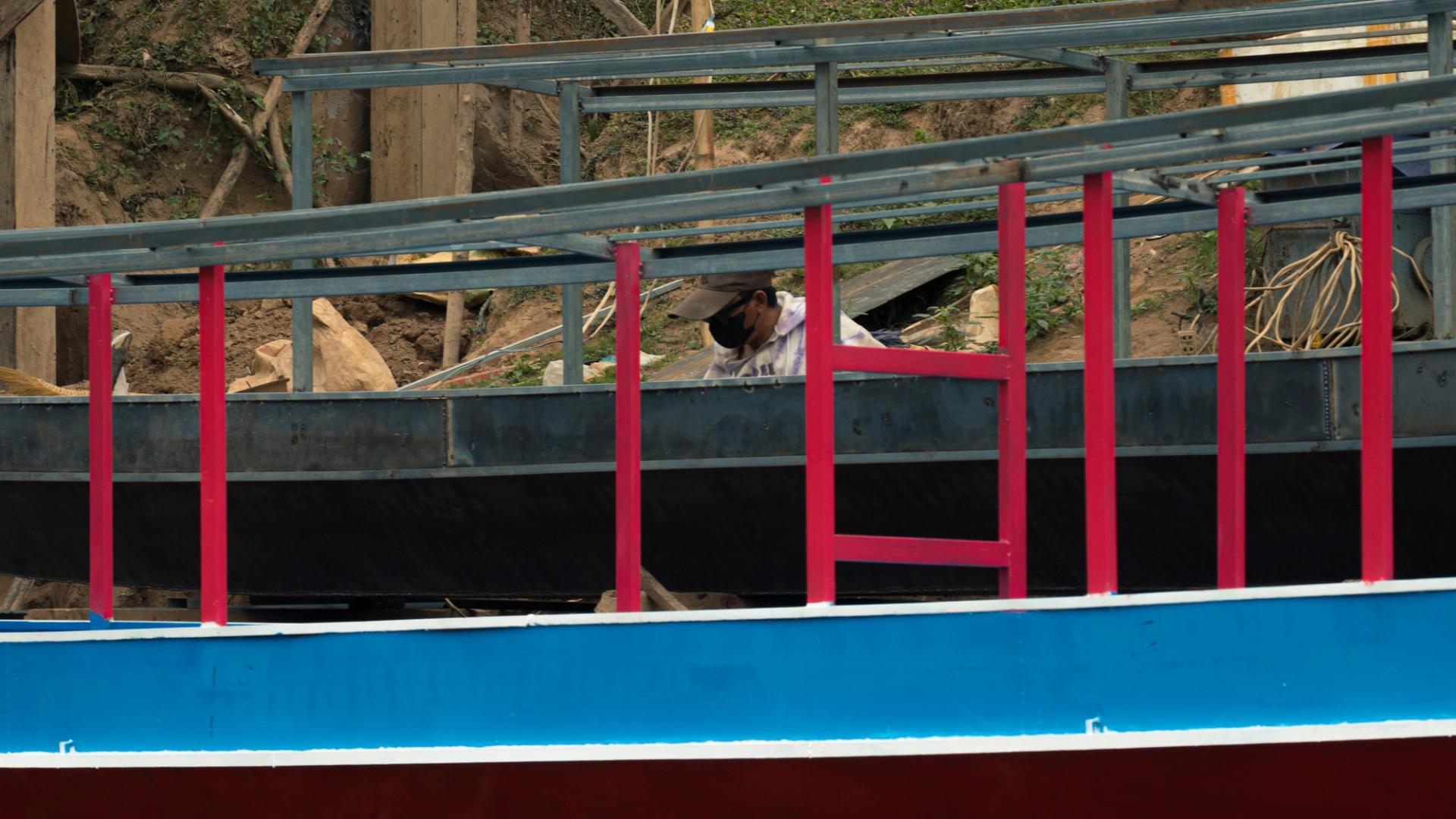
We take a day trip and walk the length of a remote mountain cave where 100 local people lived for five years of the bombing. Venturing out in search of food and running for the safety of the cave when they heard the sound of planes approaching.
In 1975, catalysed by events in Vietnam and Cambodia, the Pathet Lao took full control of the country, abolished the monarchy, and established the Lao People’s Democratic Republic.
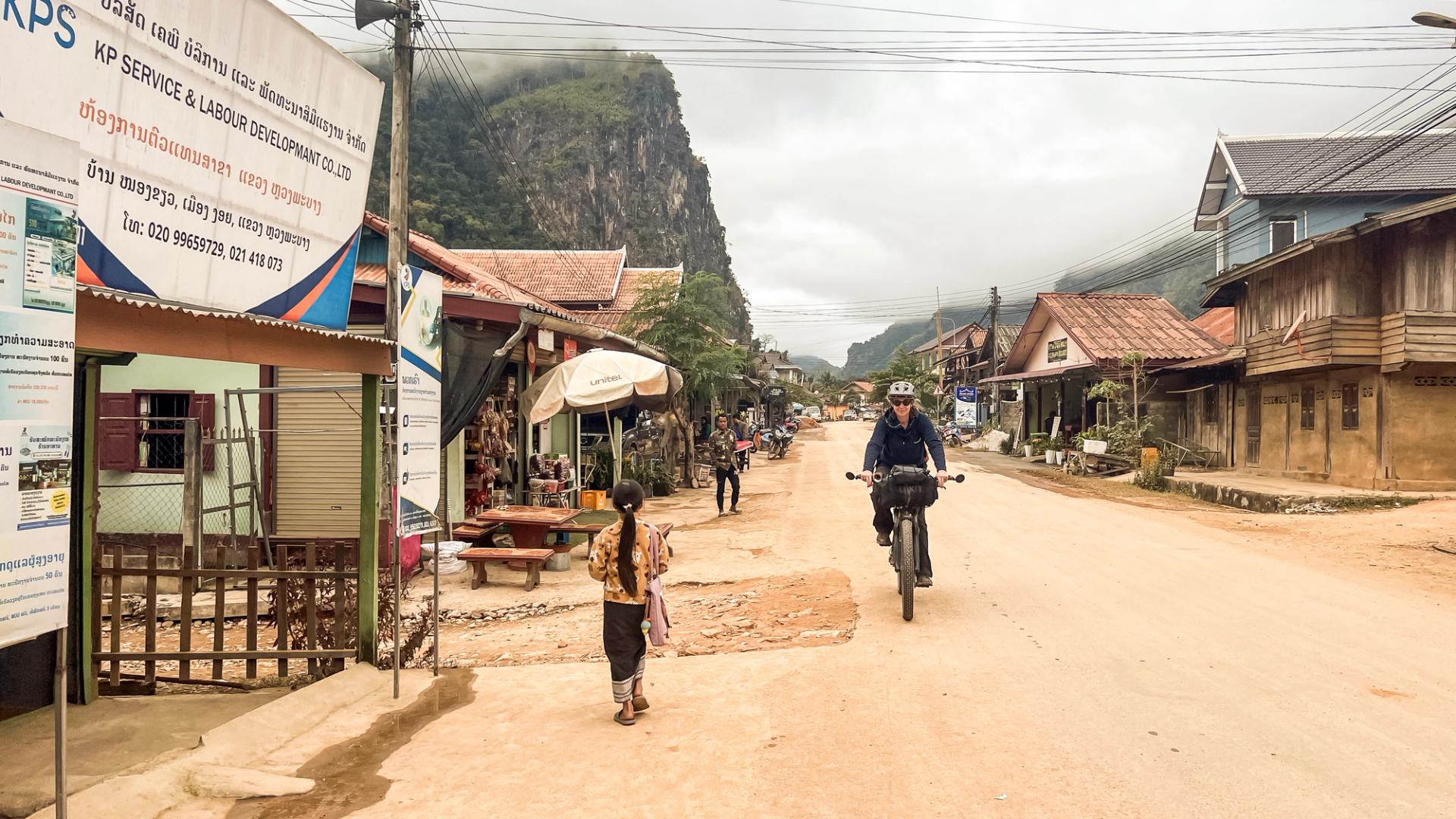
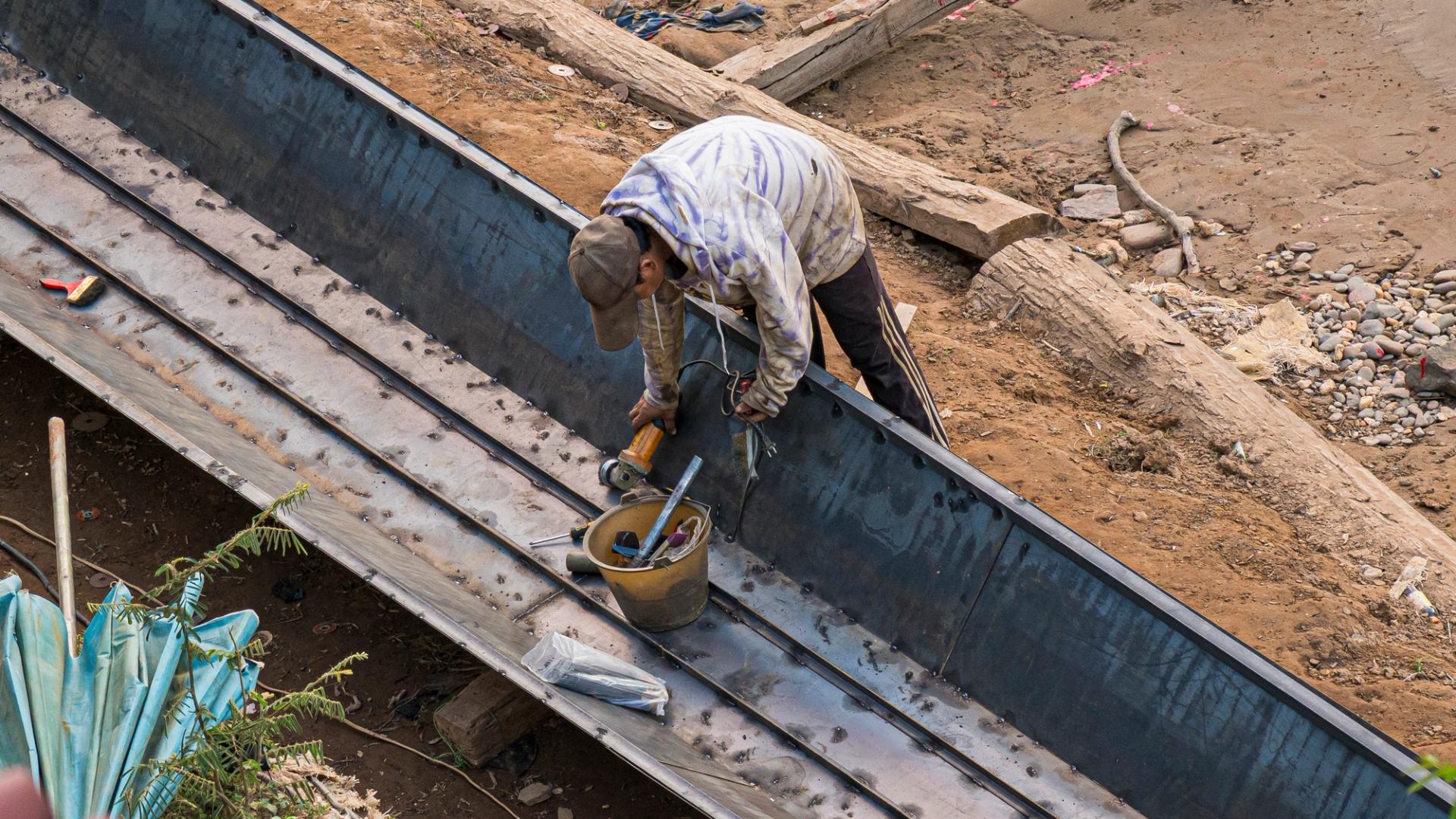
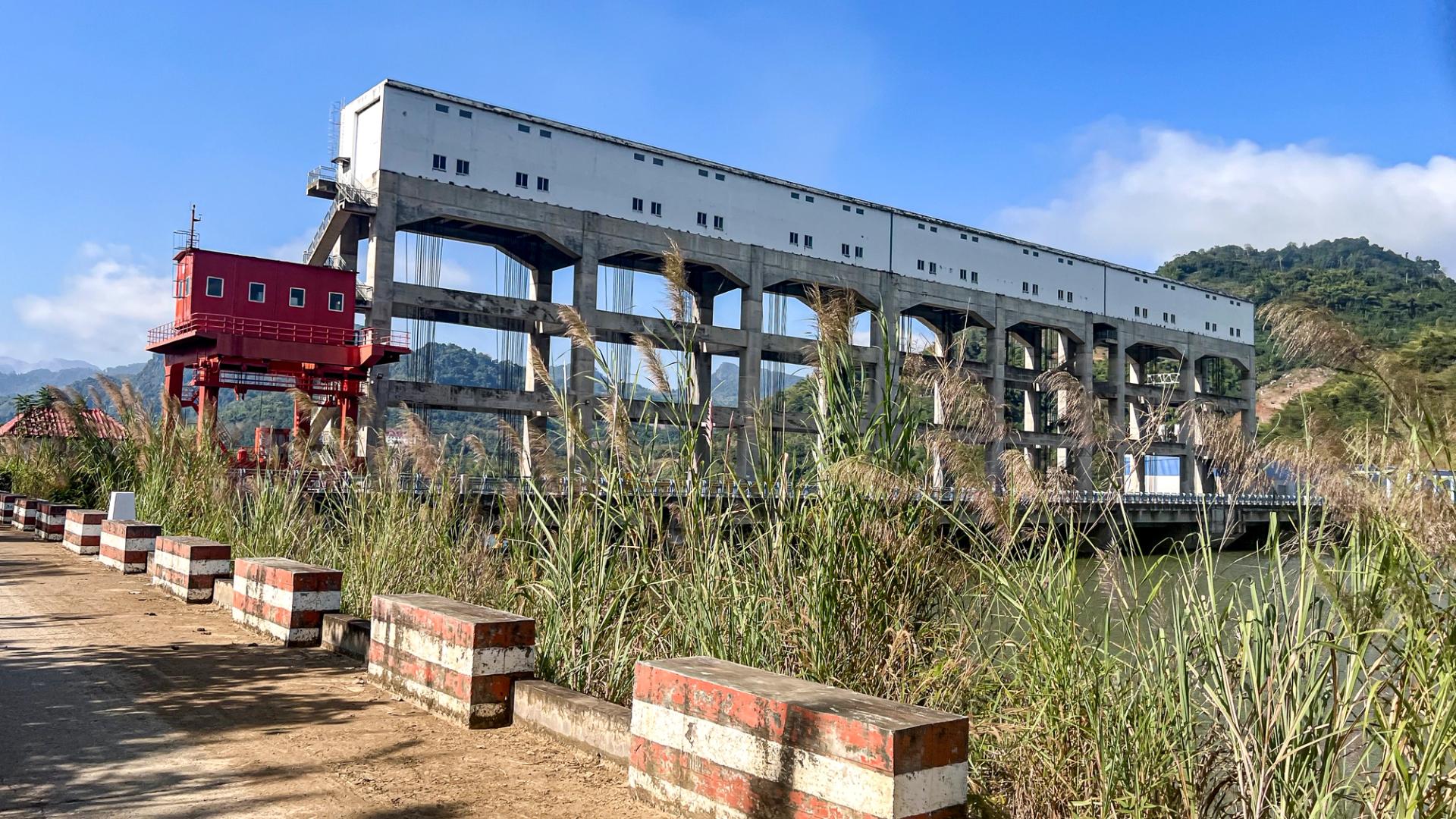
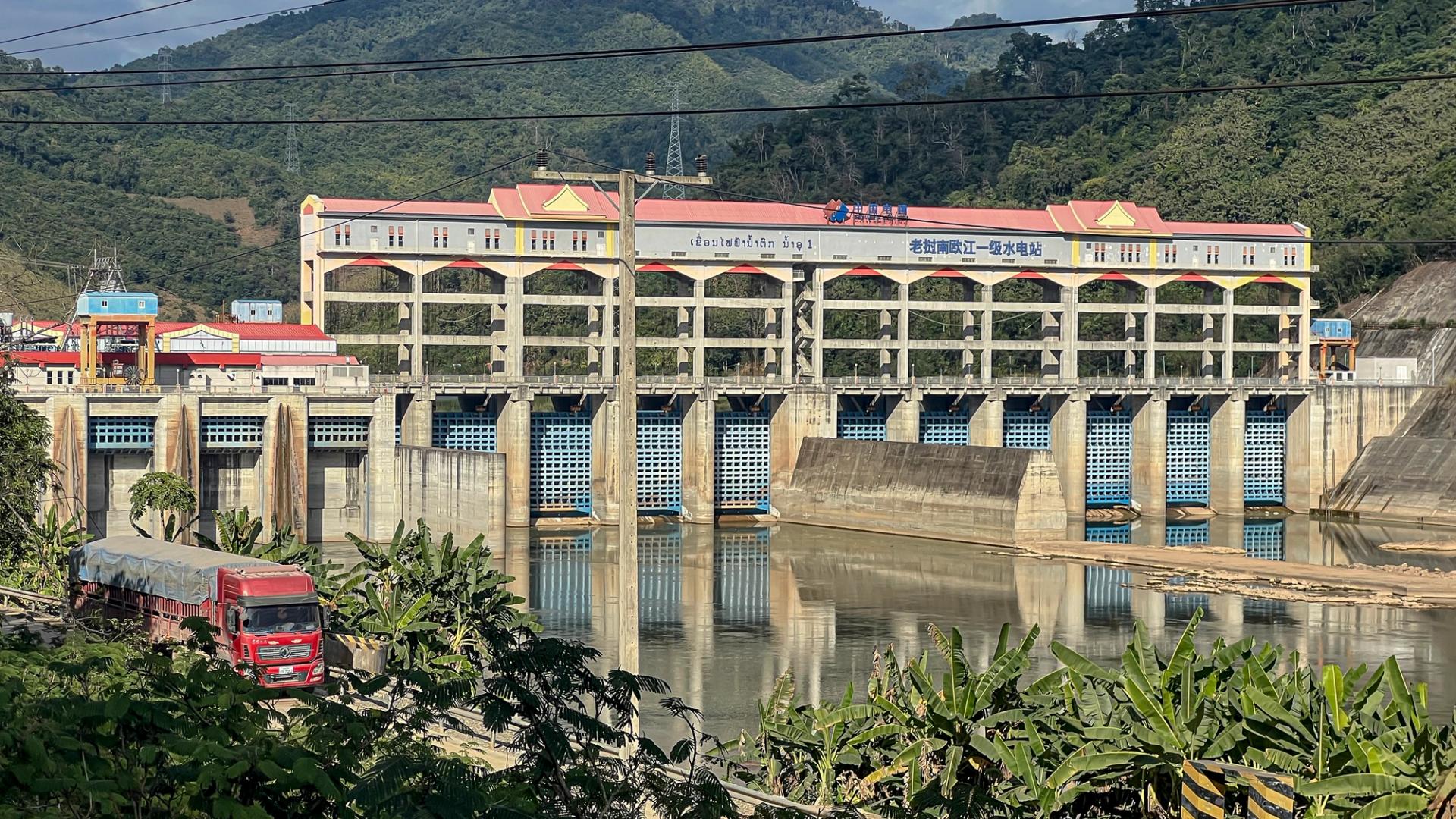
Opening its borders to foreigners in the late 80’s, our guide tells us that tourists started arriving in significant numbers around 25 years ago, and numbers have increased further since the pandemic. Now the signs of progress are everywhere, builders merchants line the streets on the outskirts of every town we visit, Chinese dam building activities frequently cut off water supplies to more remote communities for days at a time and Chinese, French and English speaking tour companies are popping up everywhere.








Comments