Wat. The Farang?
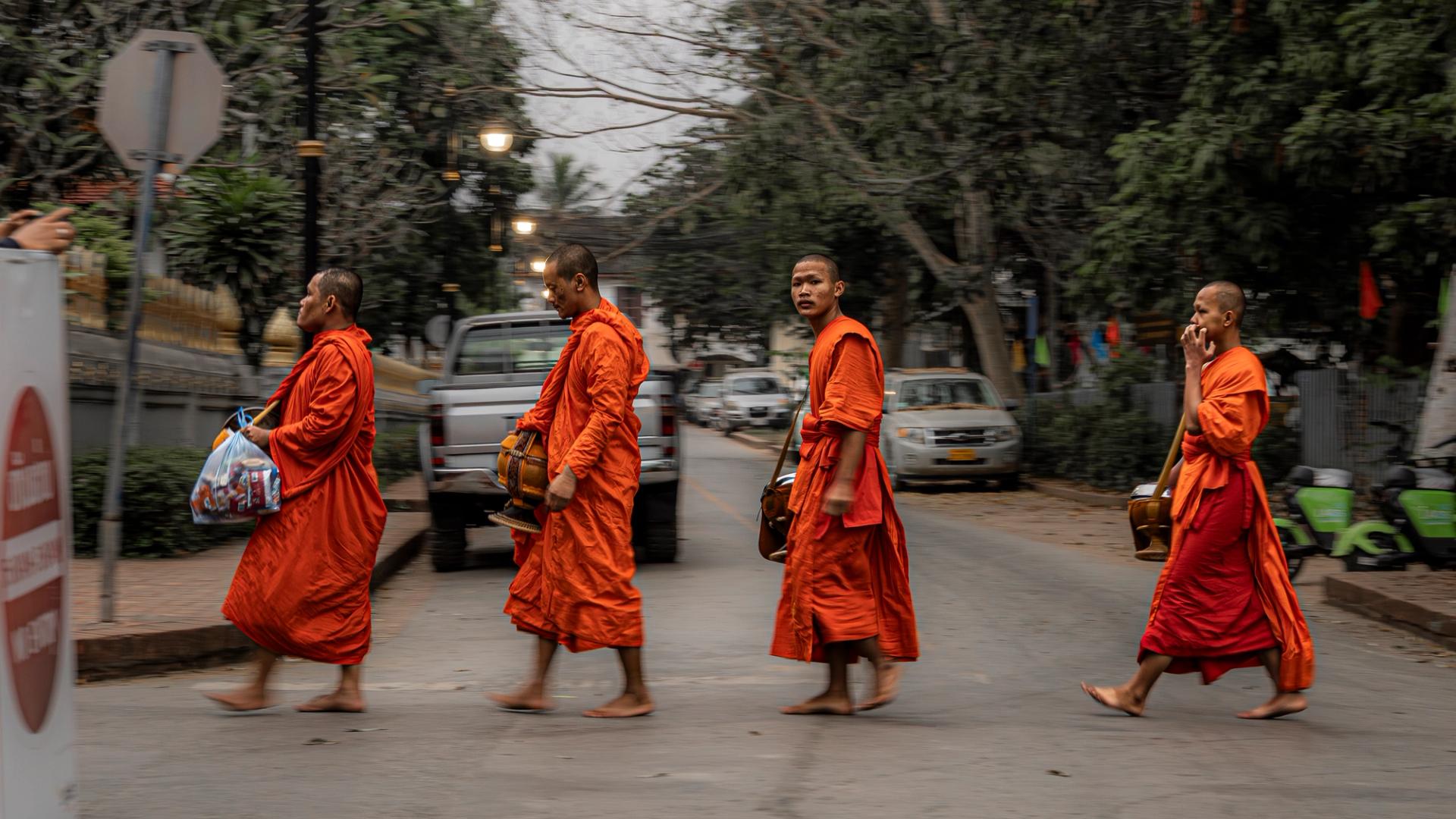
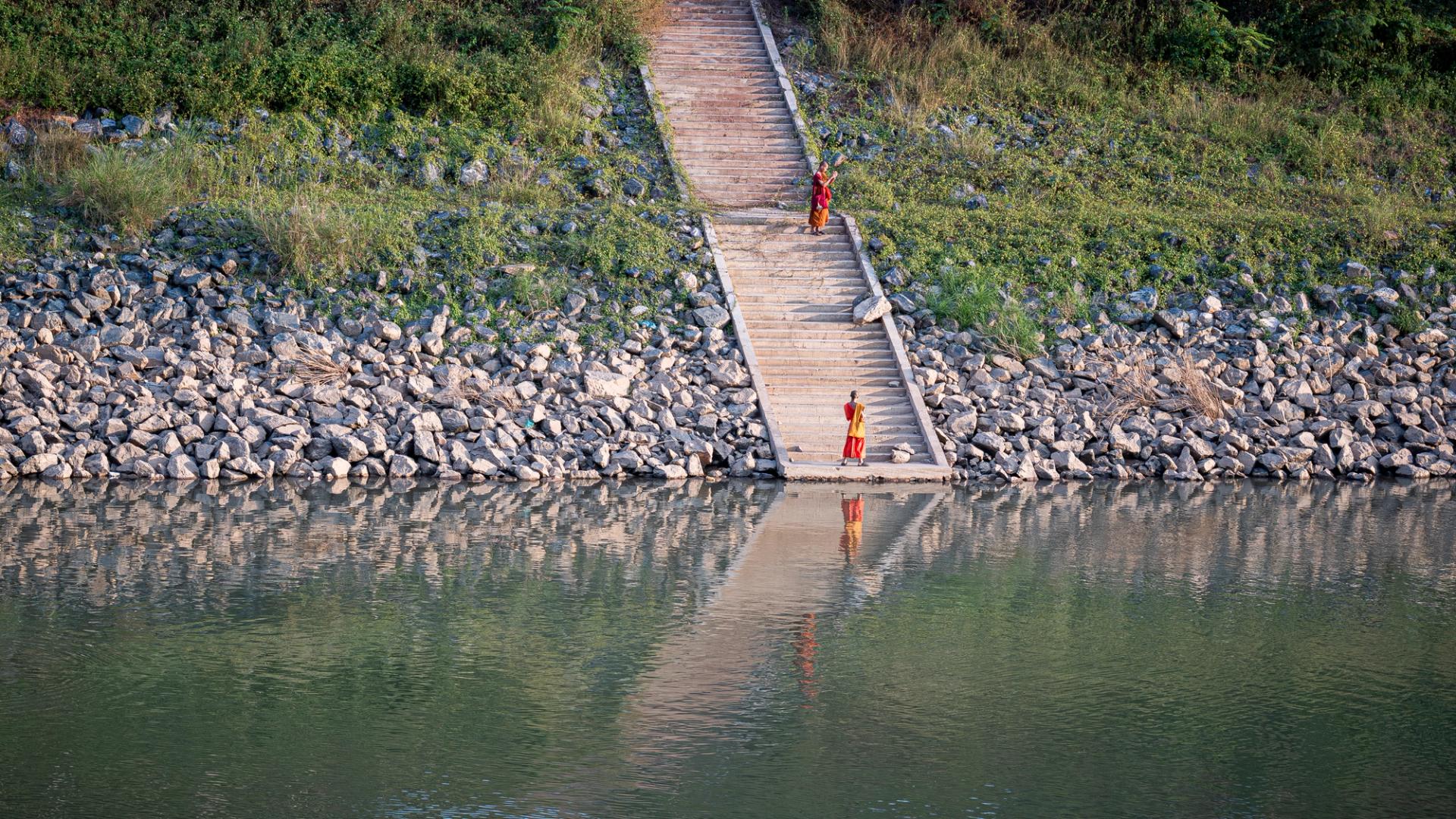
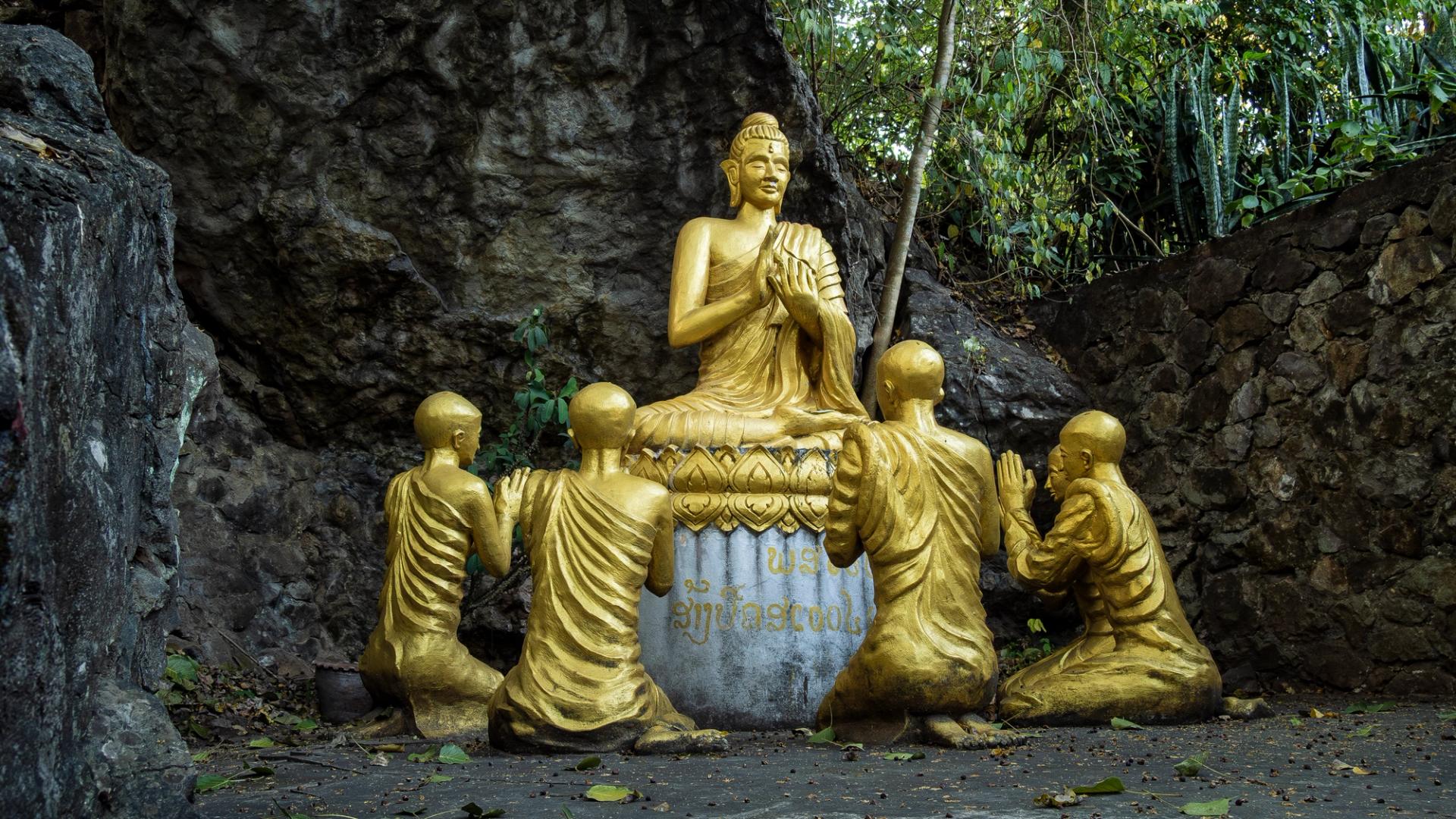
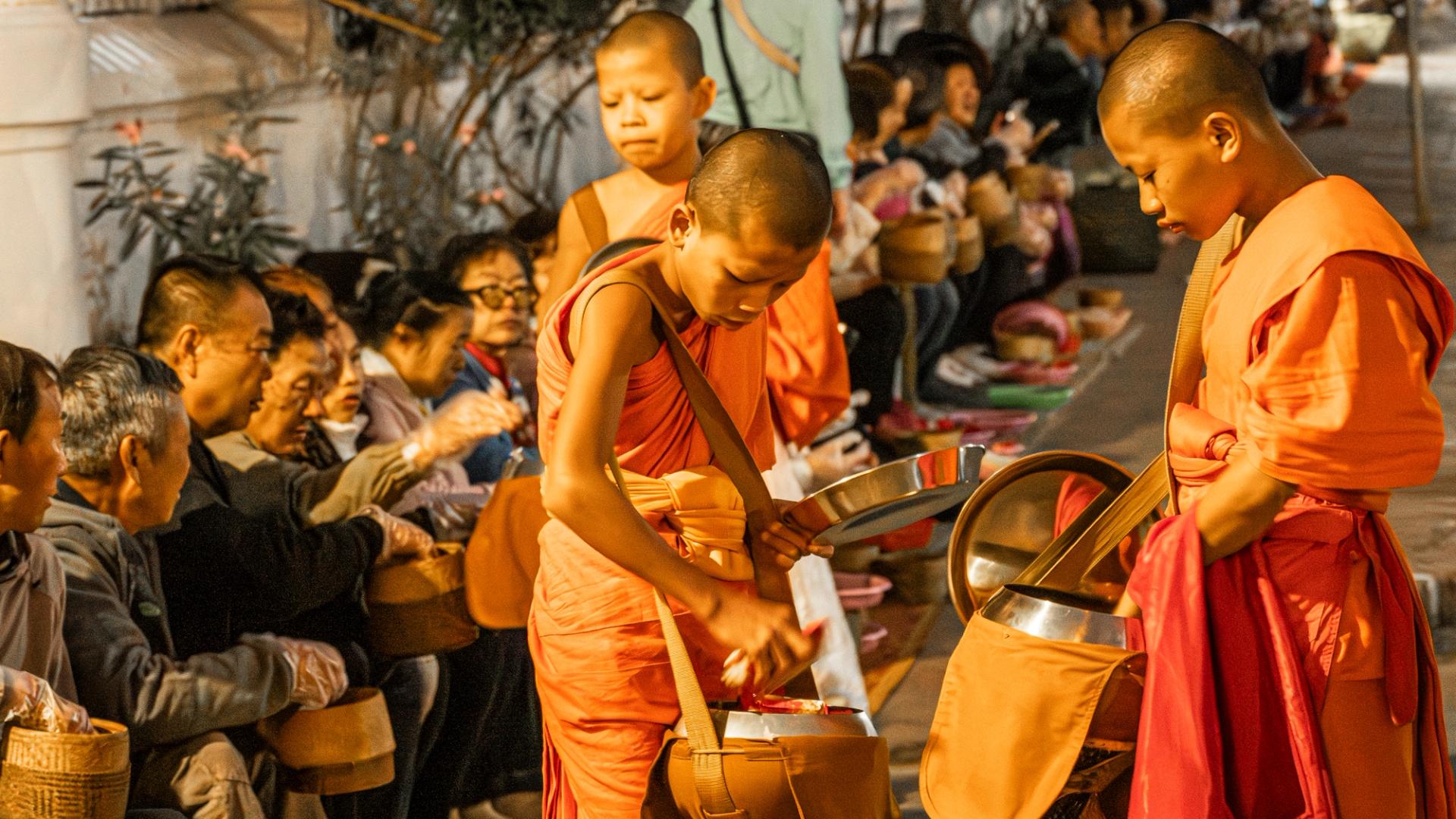
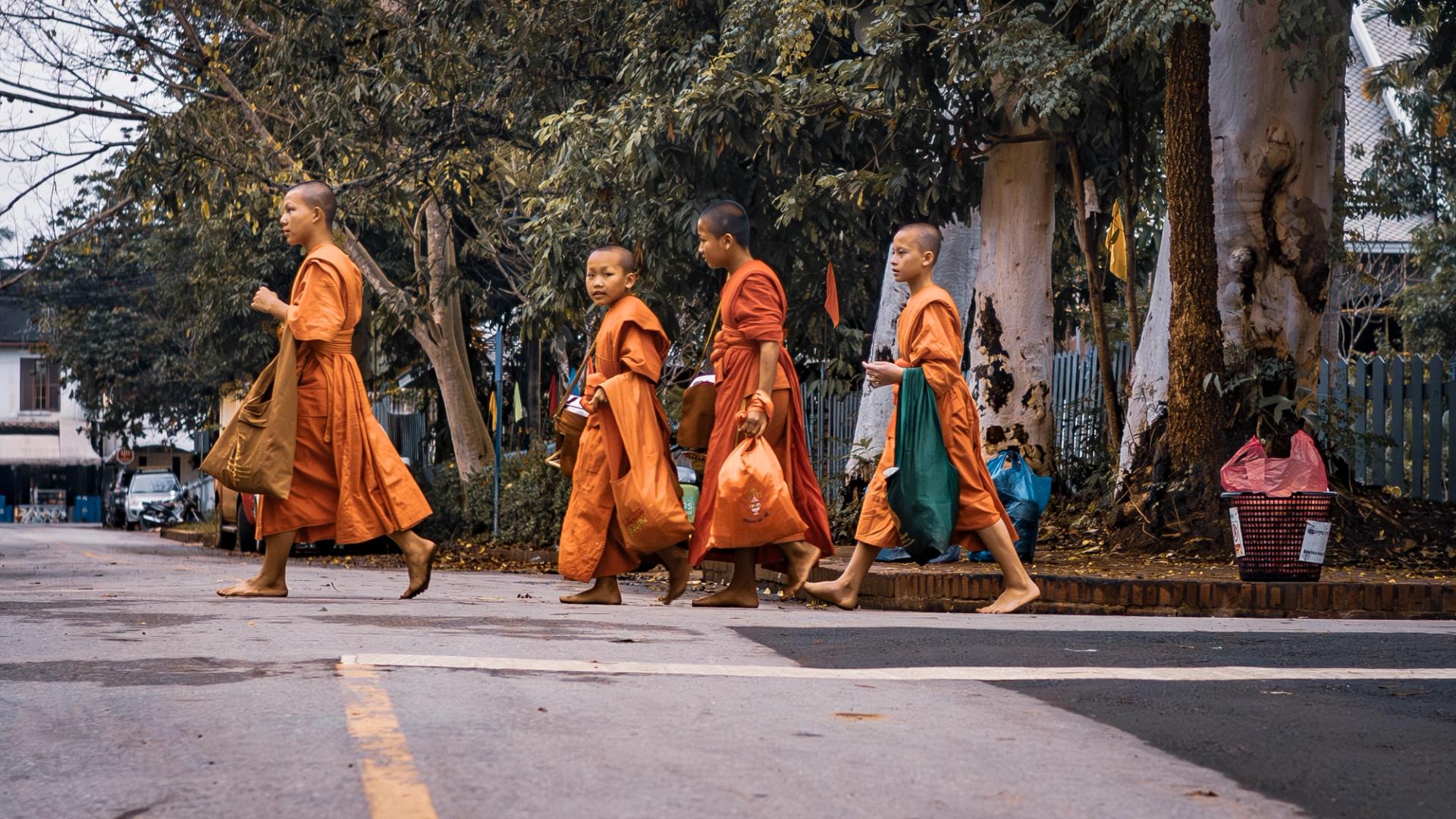
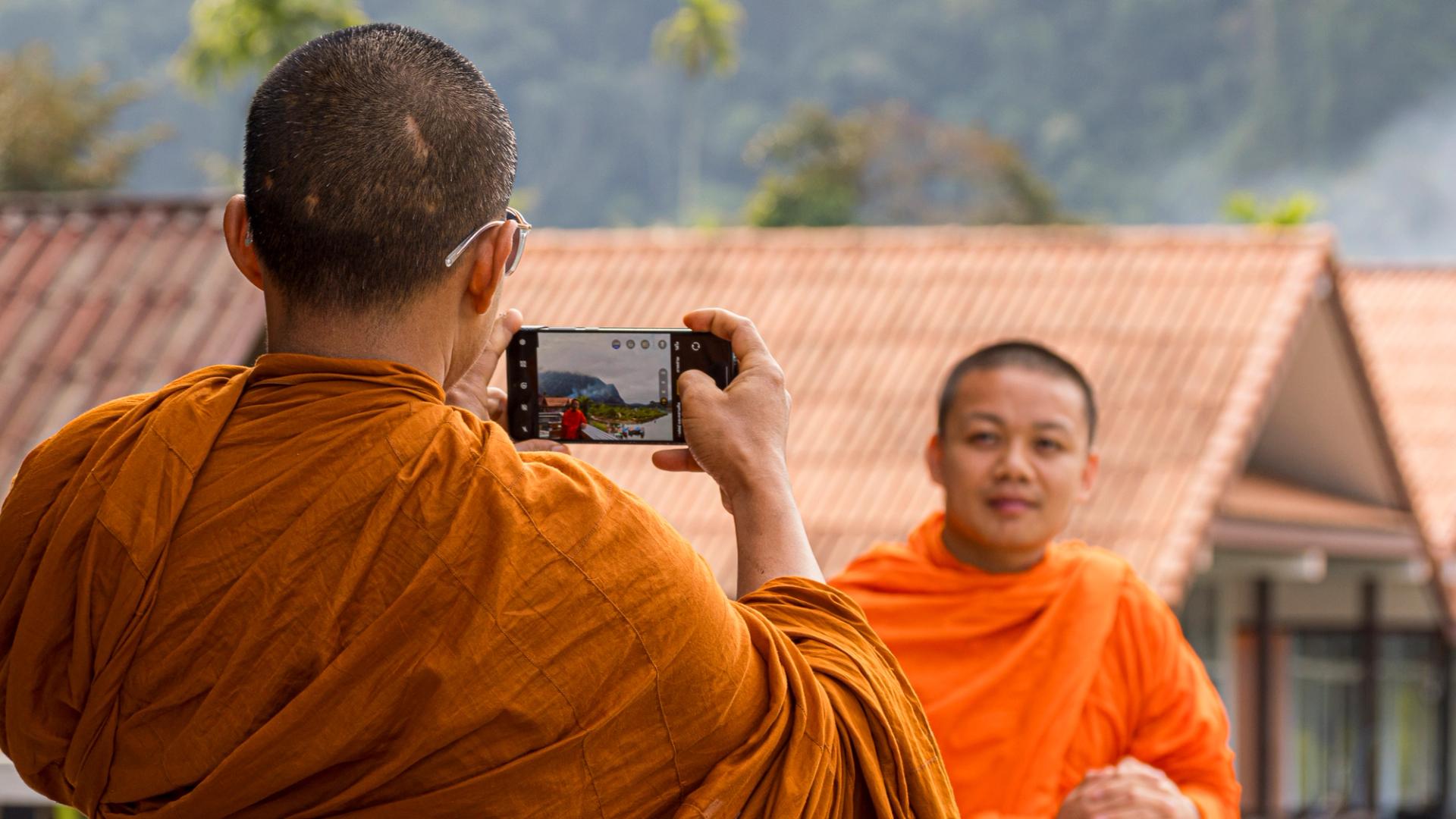
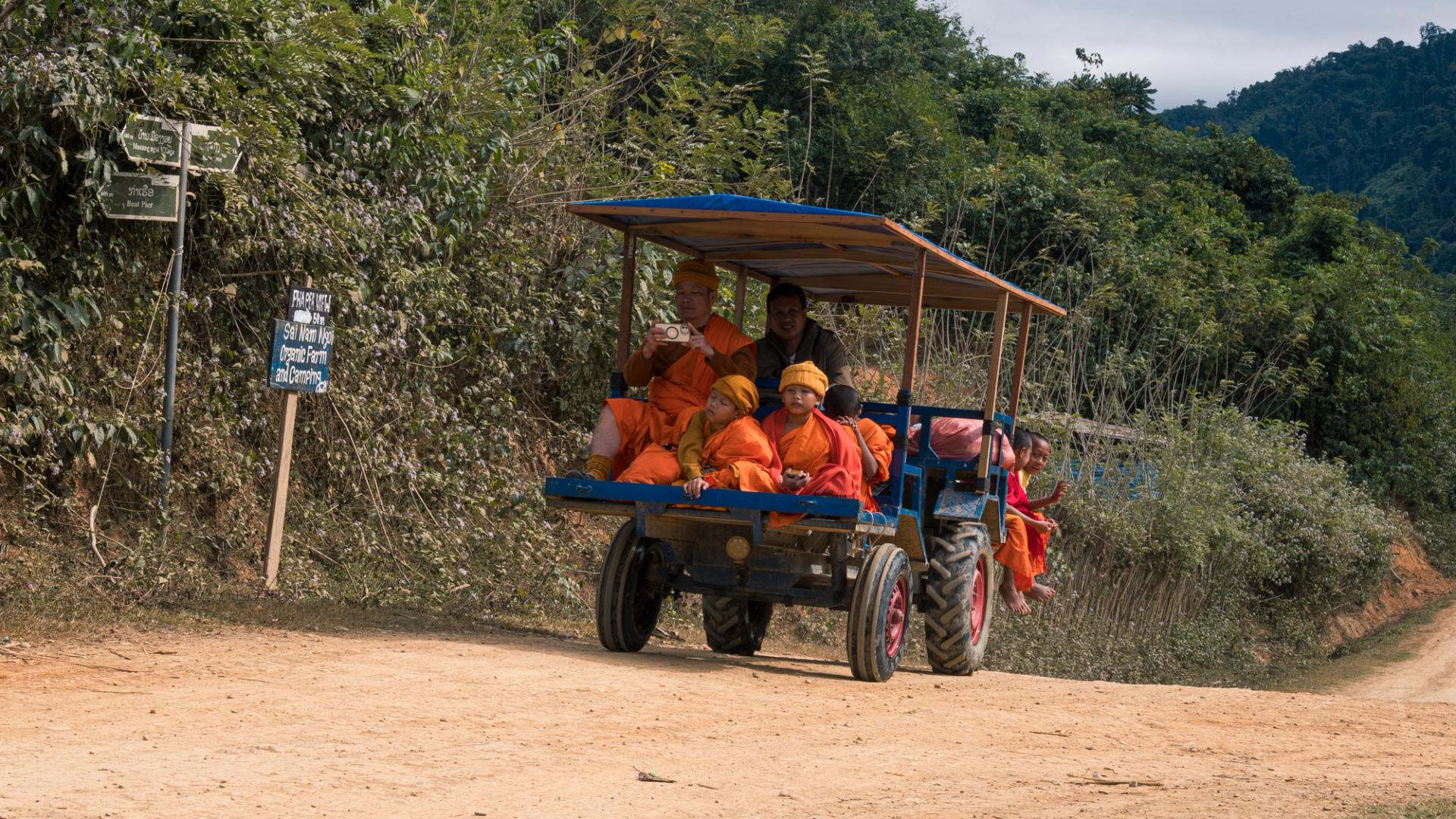
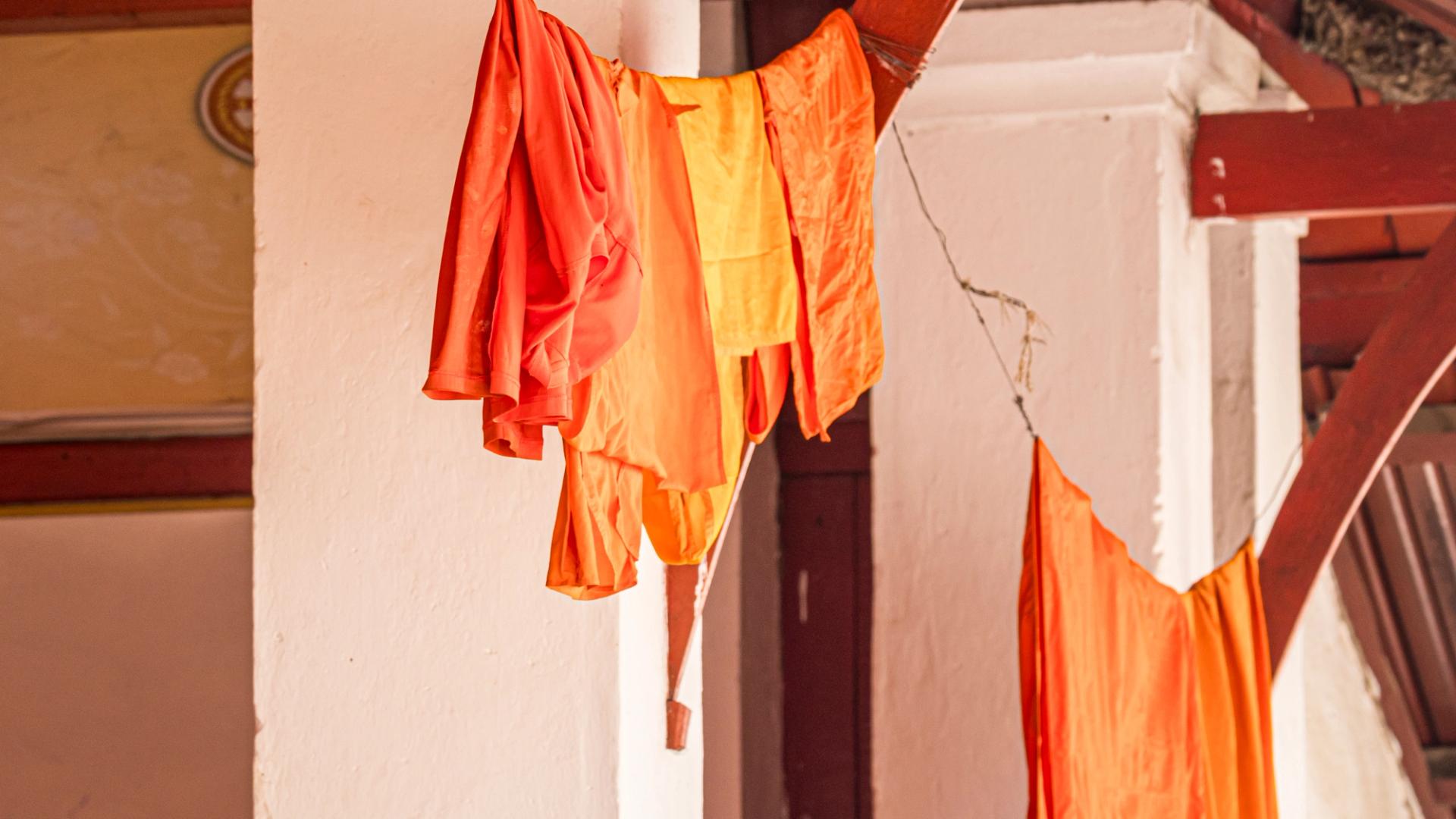
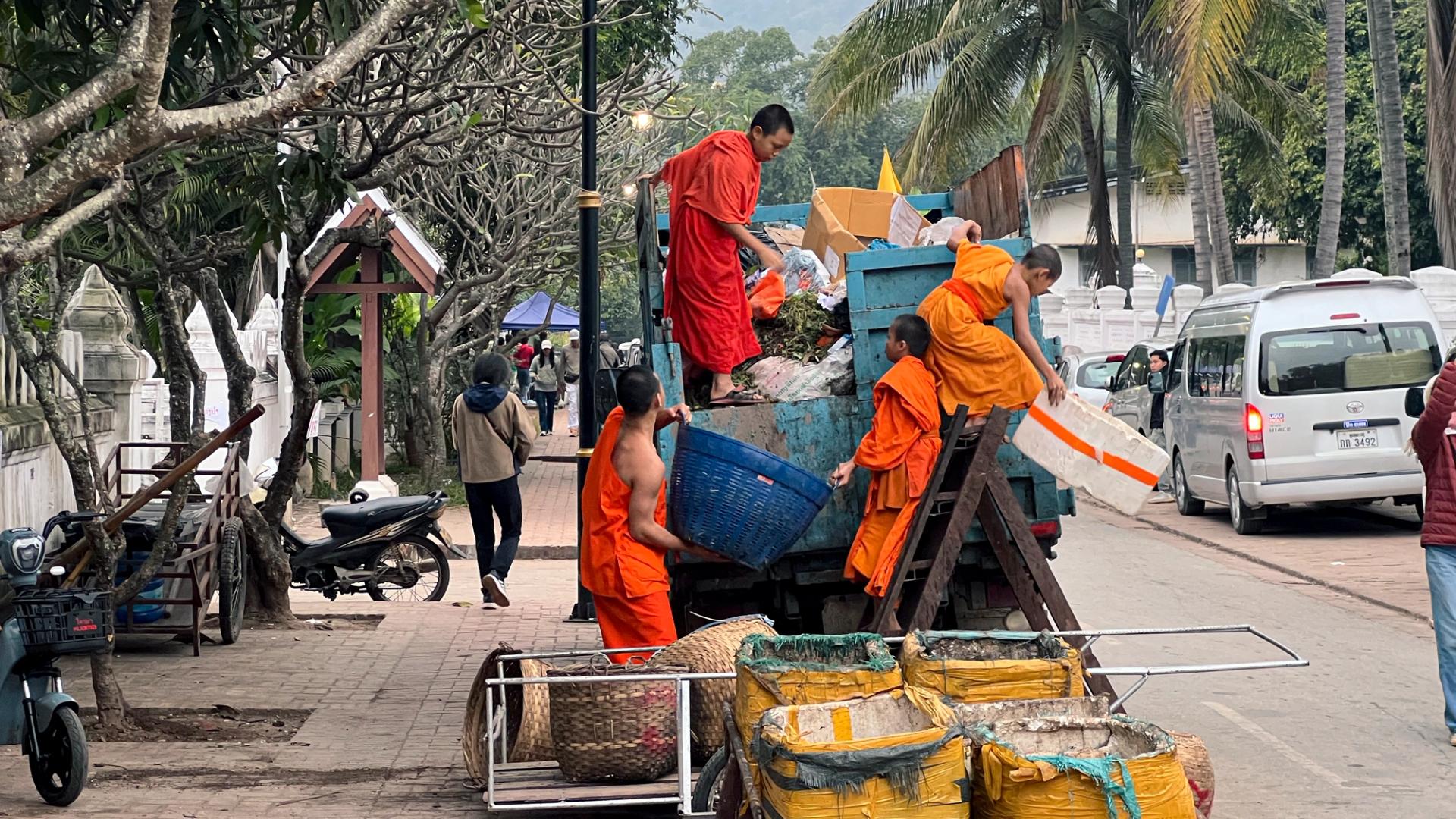
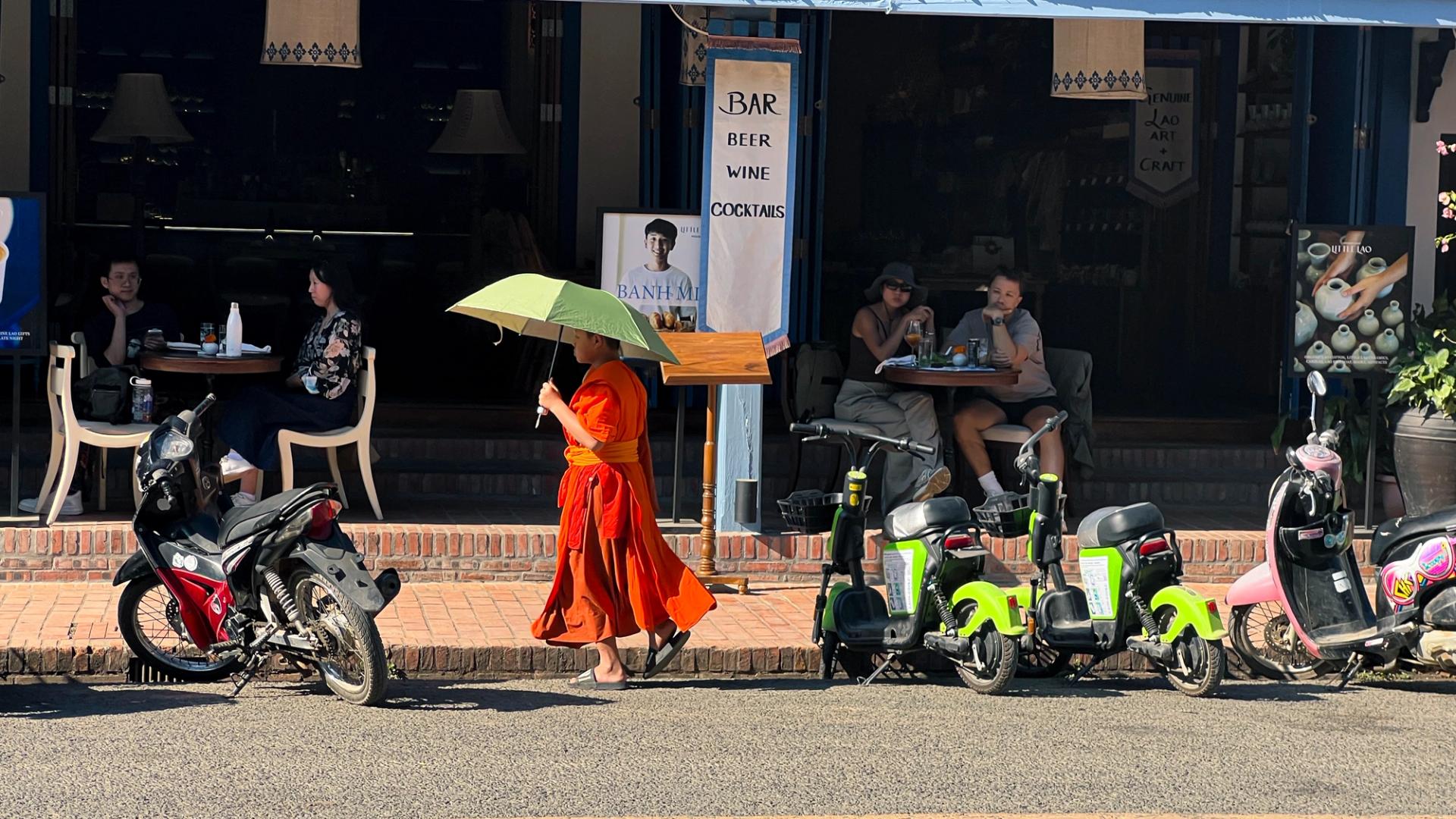
We’ve encountered many Buddhist monks on our travels before, but things are a little different here in Laos. Most Laos boys become monks at some point and this can be a much needed lifeline providing education, board and lodging to boys whose parents may not have the means to sustain the whole family without putting them to work.
From a few weeks to a few years, monk-hood is seen as vital to family karma and personal development.
Many boys learn English or Chinese during their time at the monastery and leaving the Sangha isn't stigmatised. Former monks often become respected community members or guides, like those leading tours.
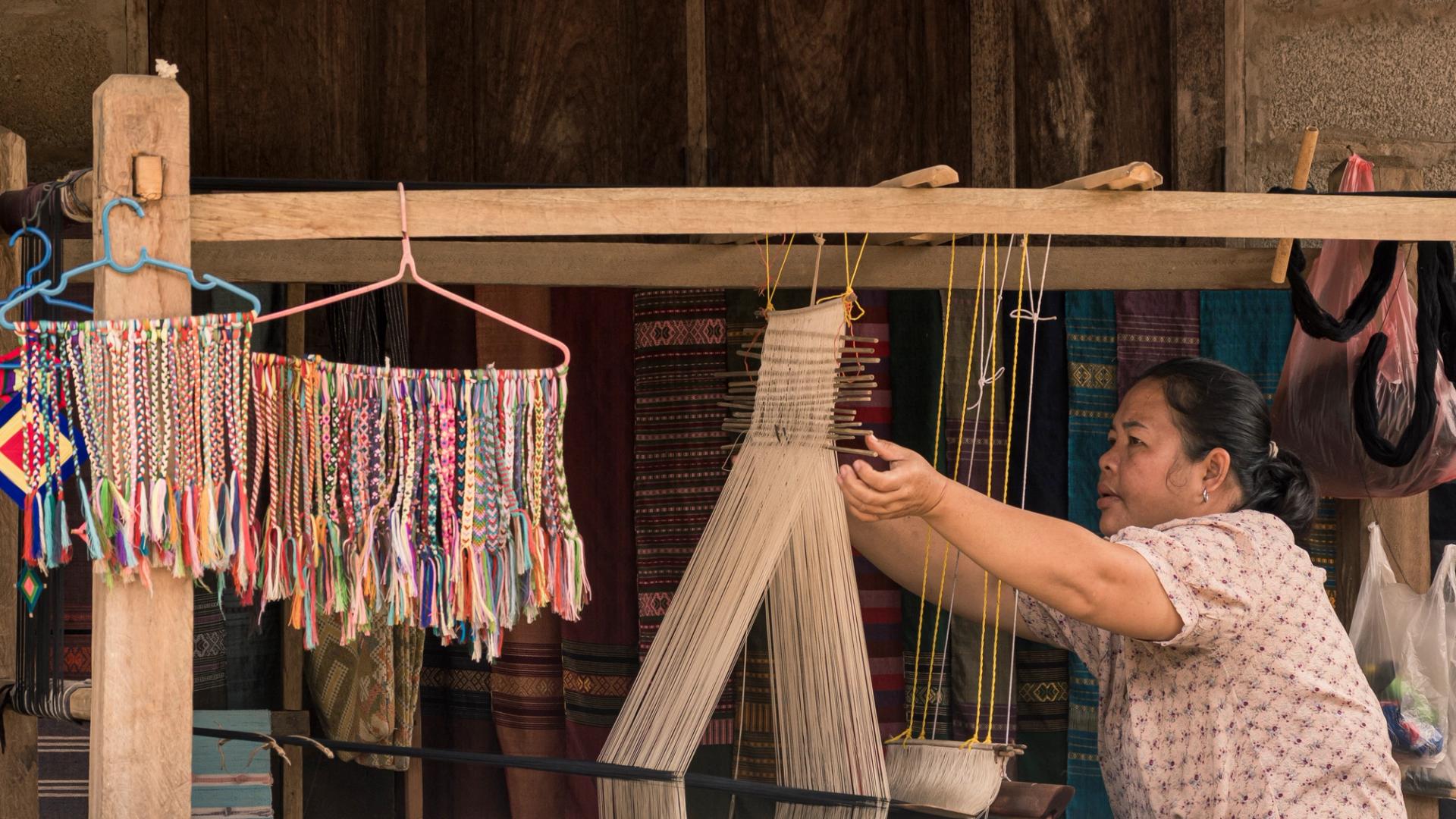
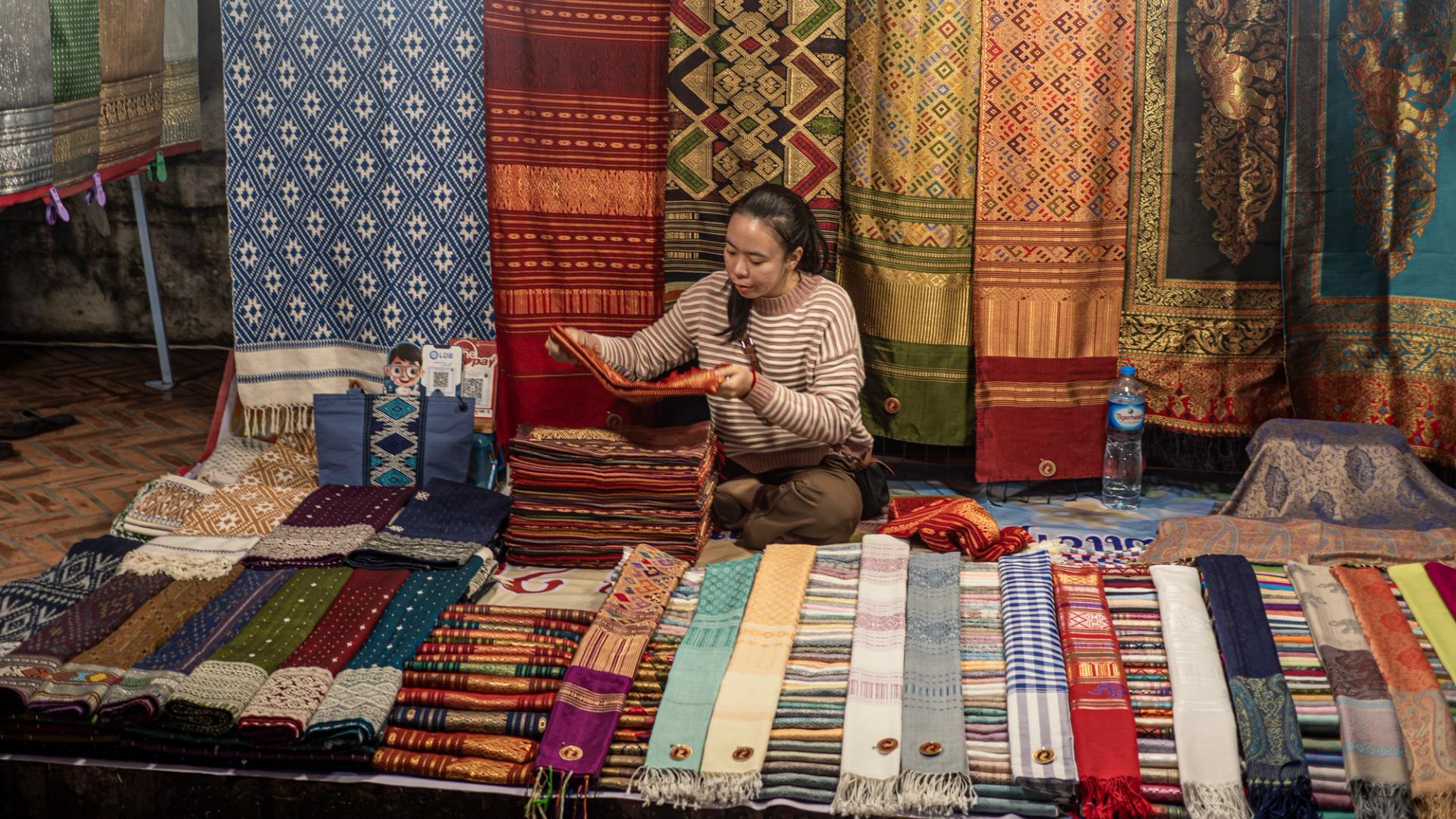
Formal education opportunities for girls are predictably more bleak. While there is no denying the skill and artistry of Laotian weavers (all women). Young women who want more for themselves who come from remote or poor backgrounds have very limited routes to secondary education.
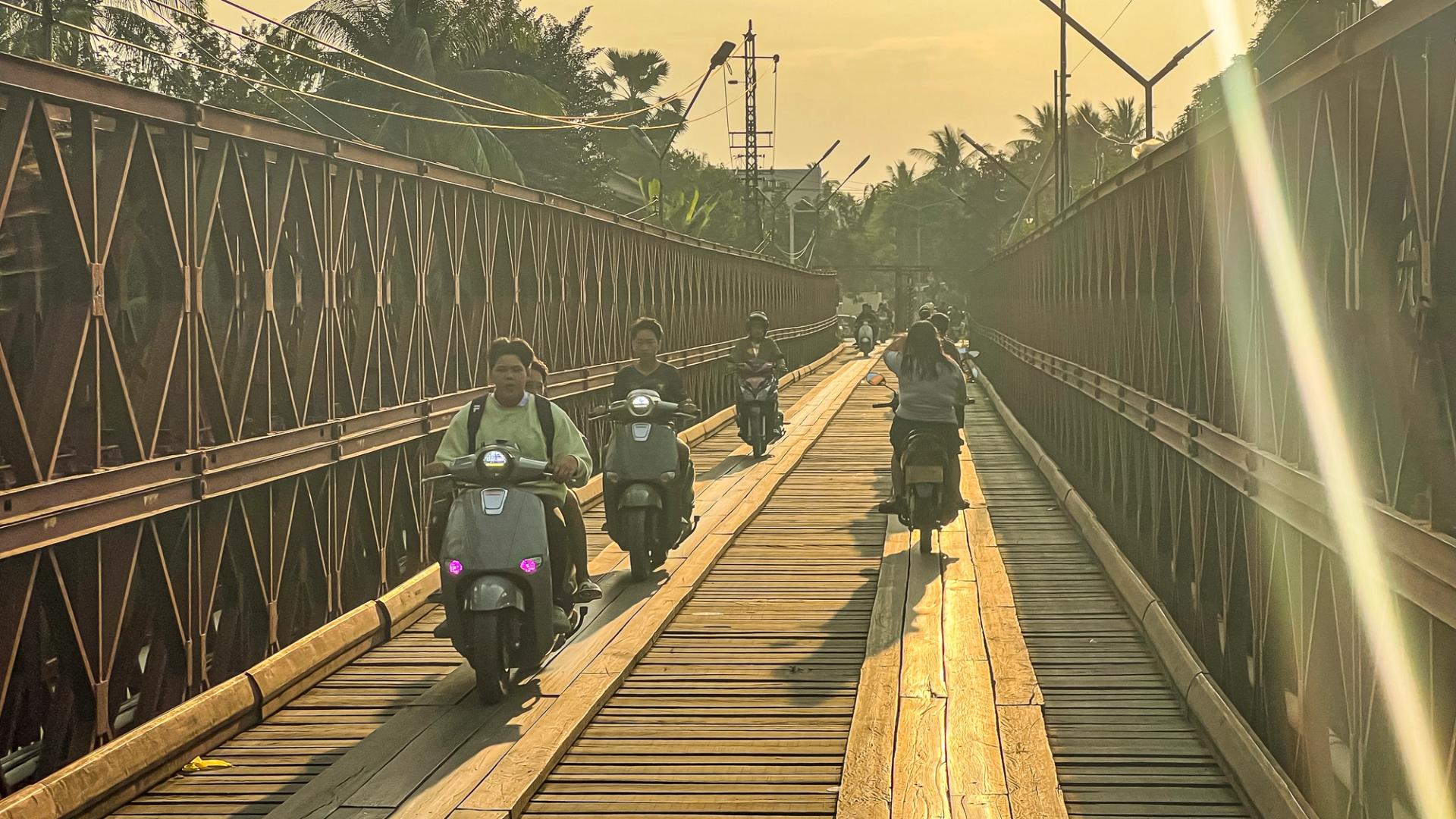
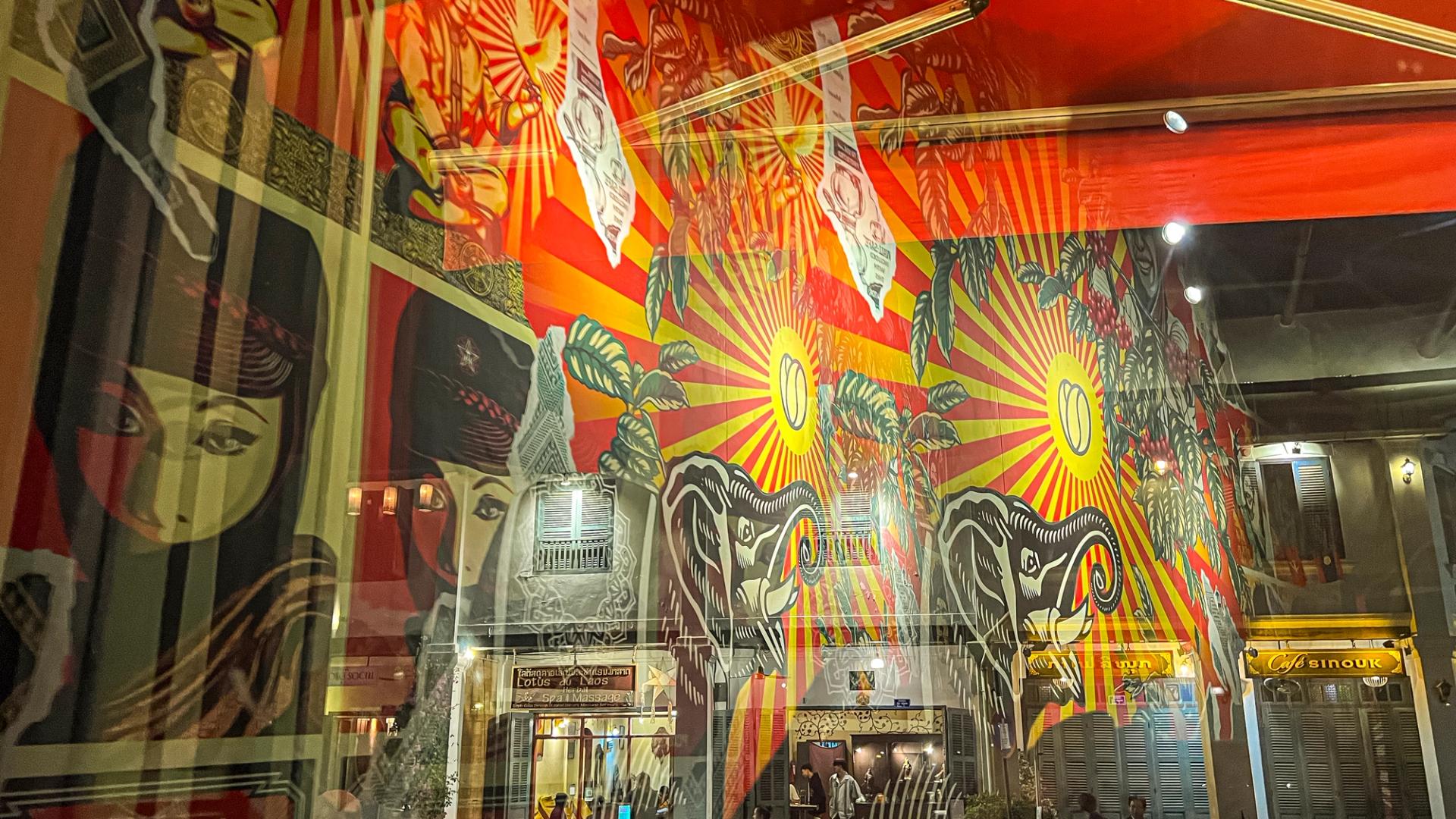
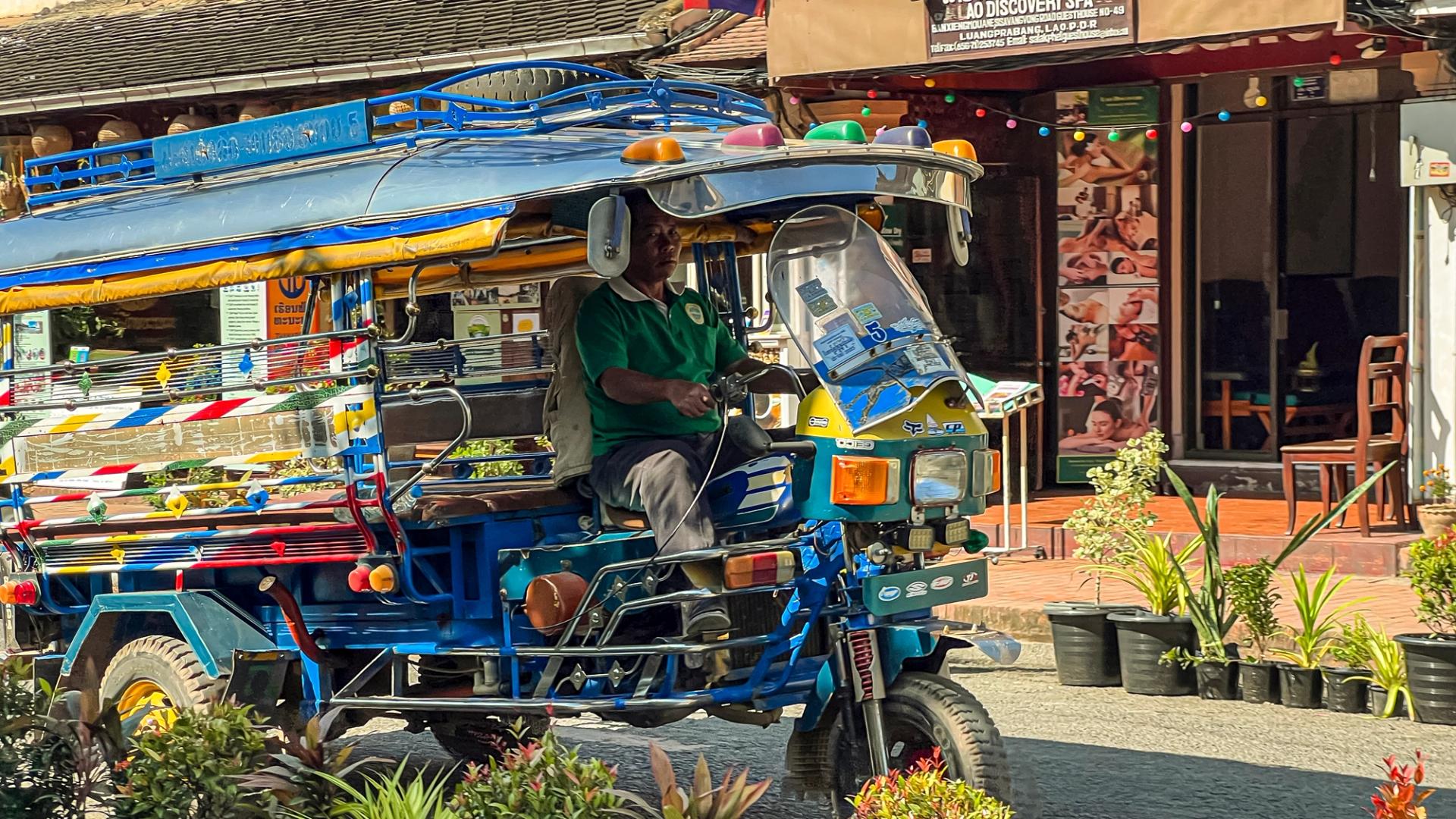
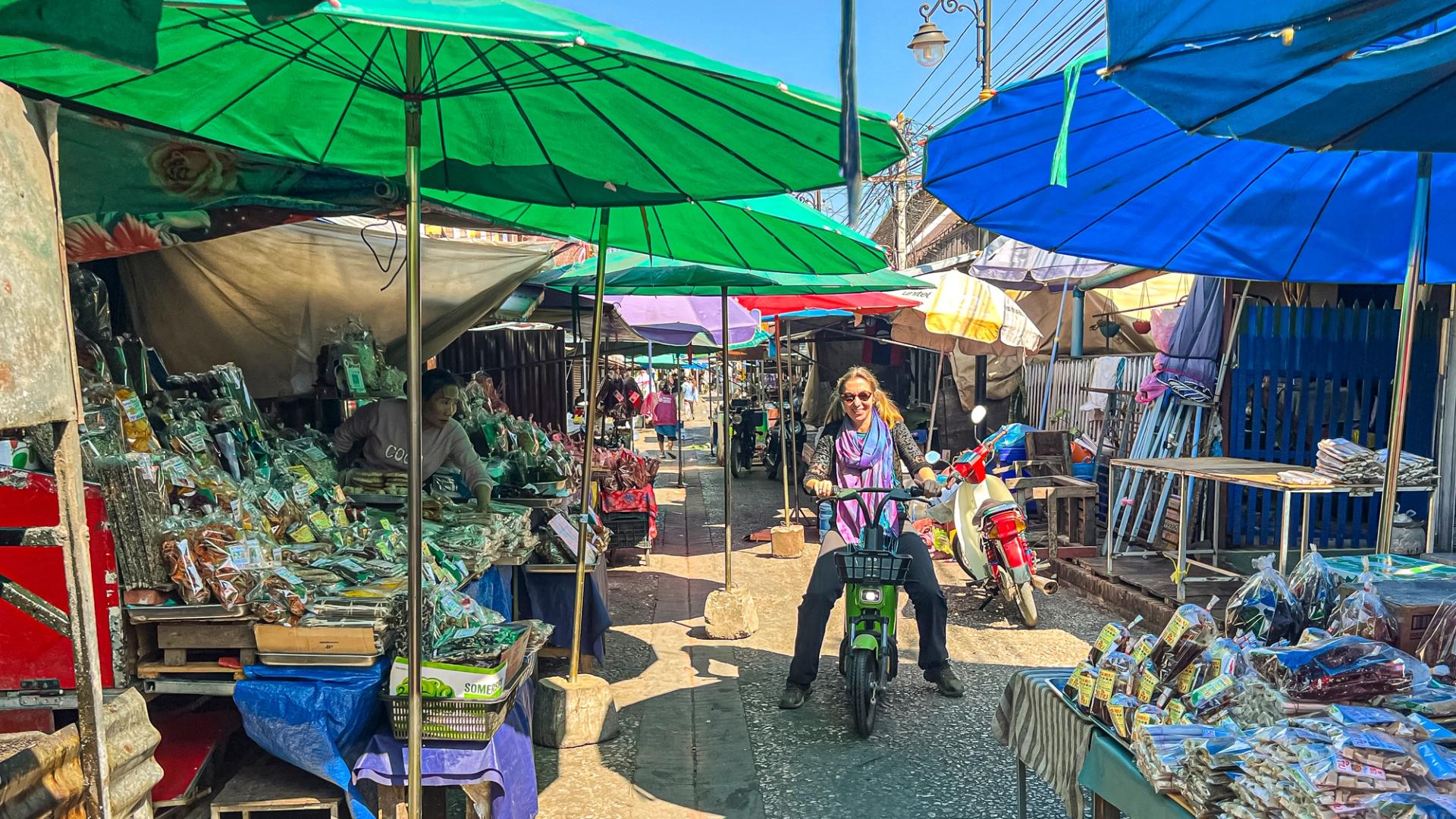
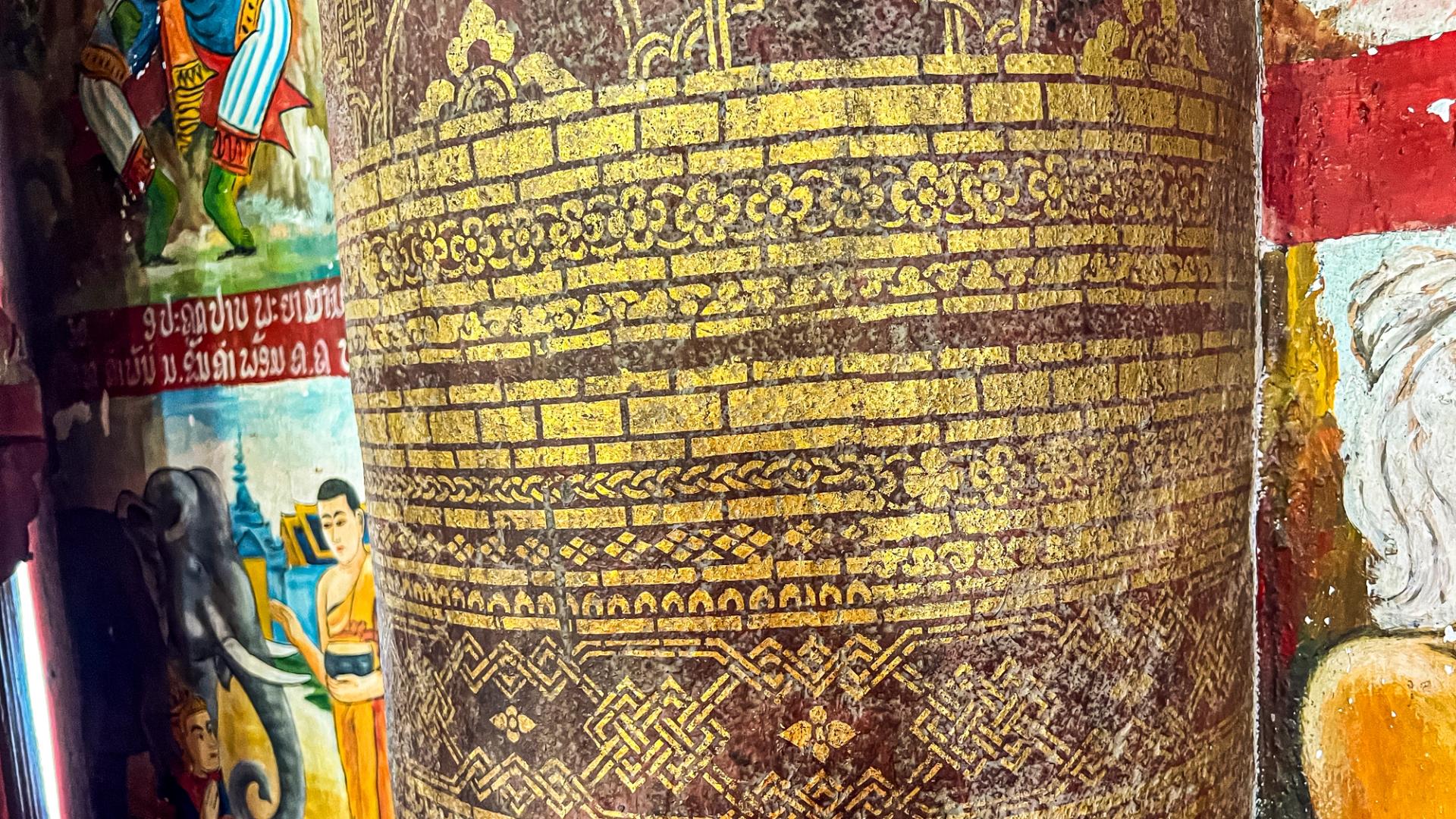
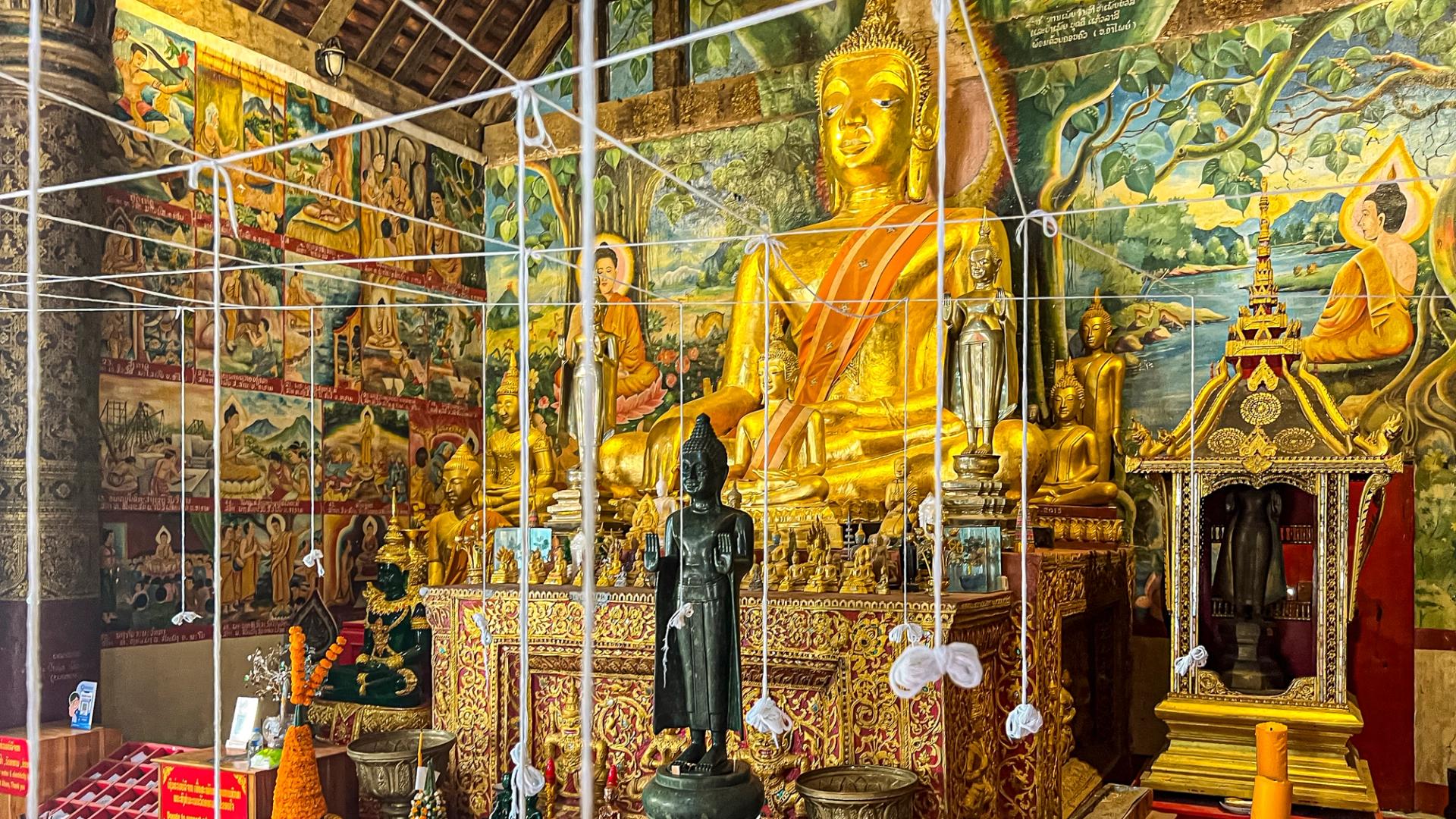
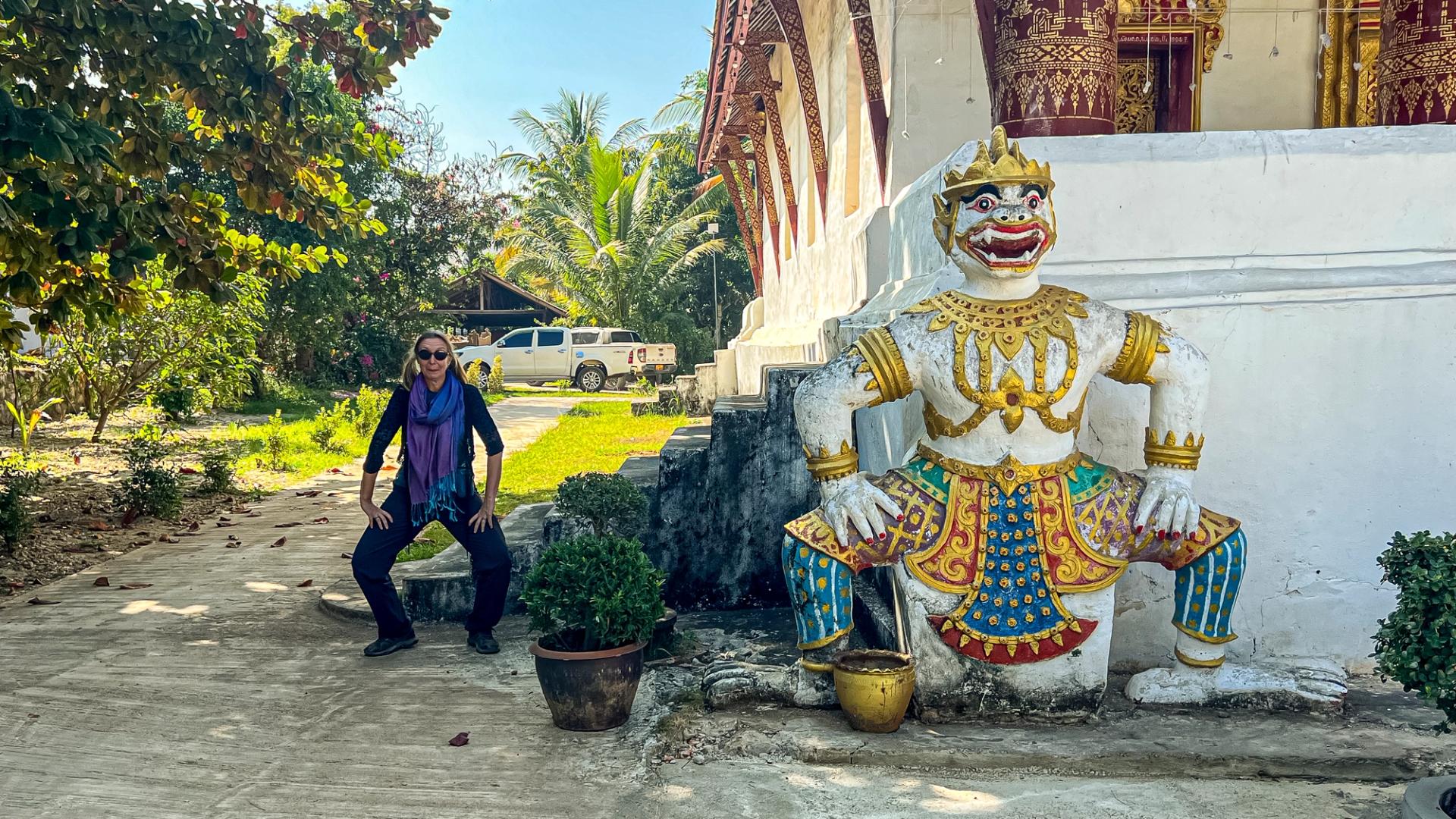
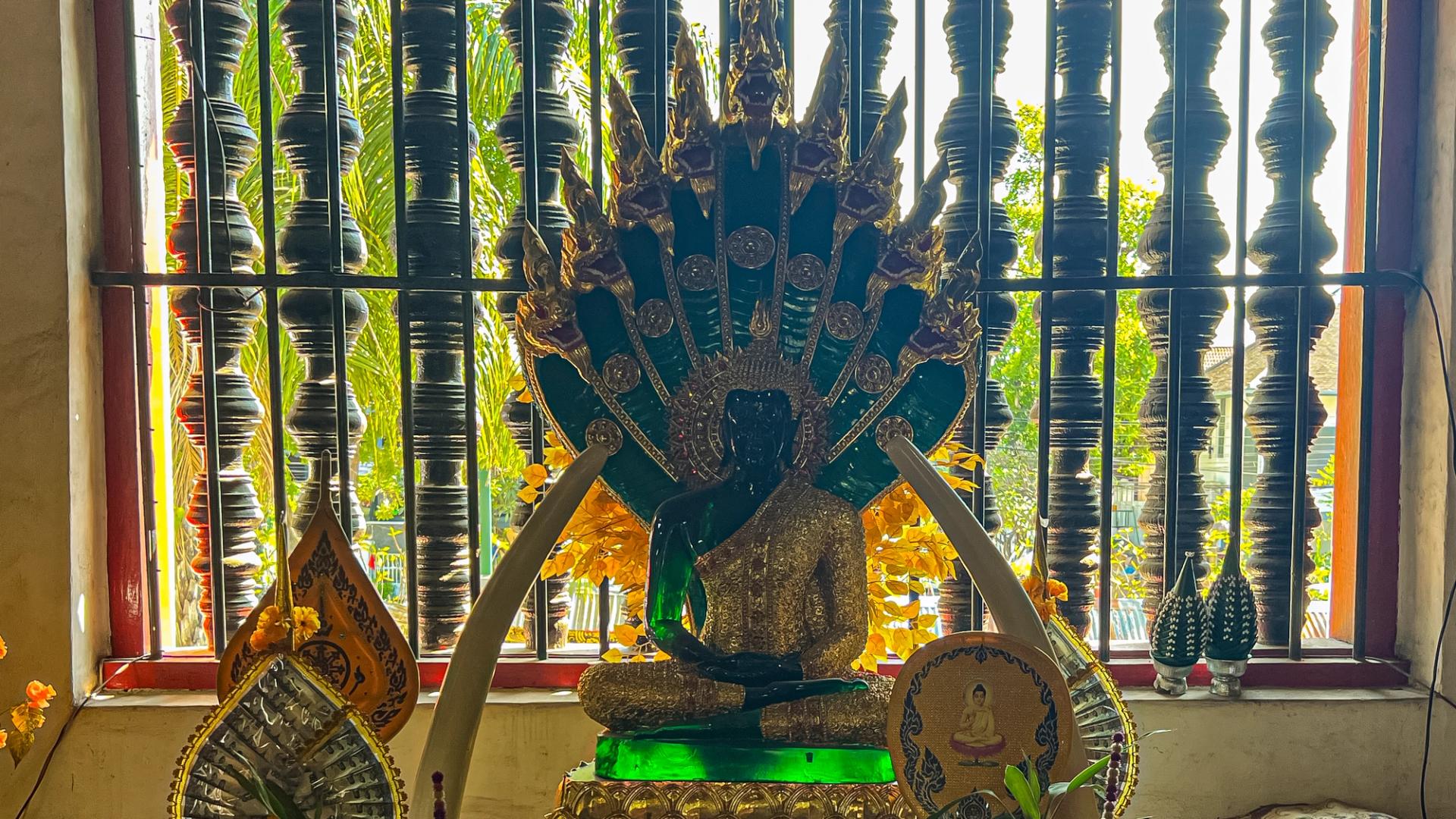
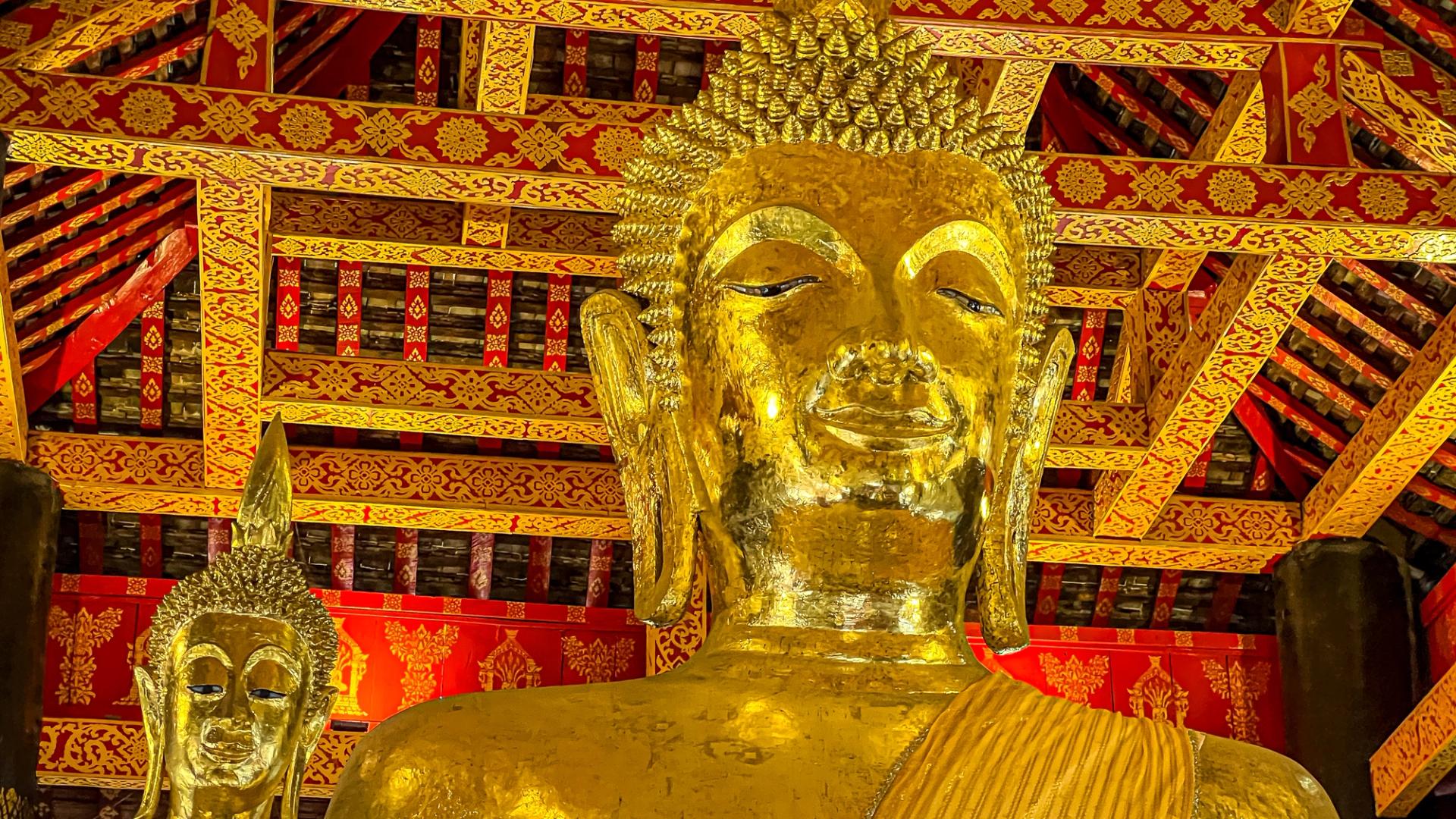
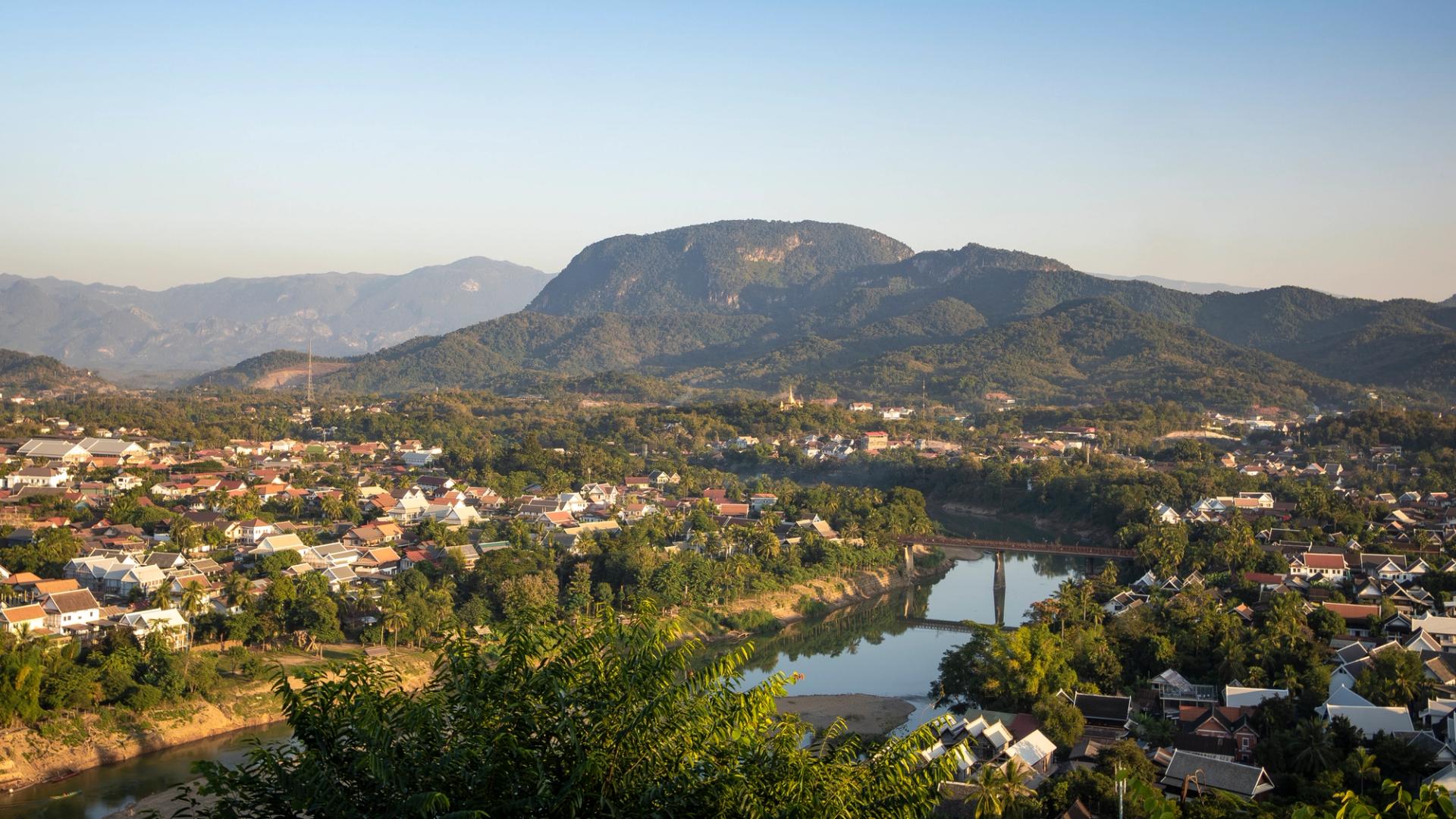
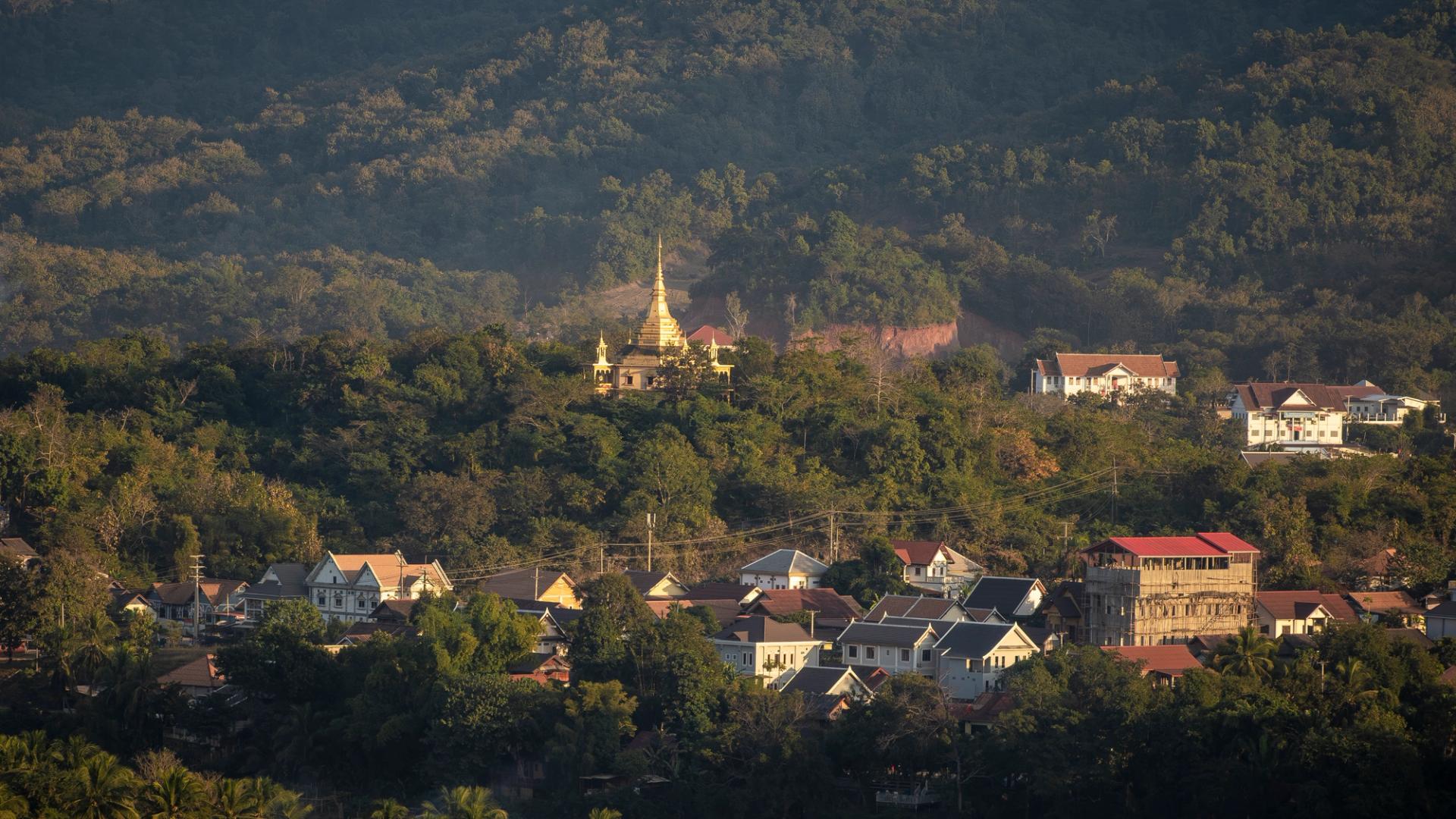
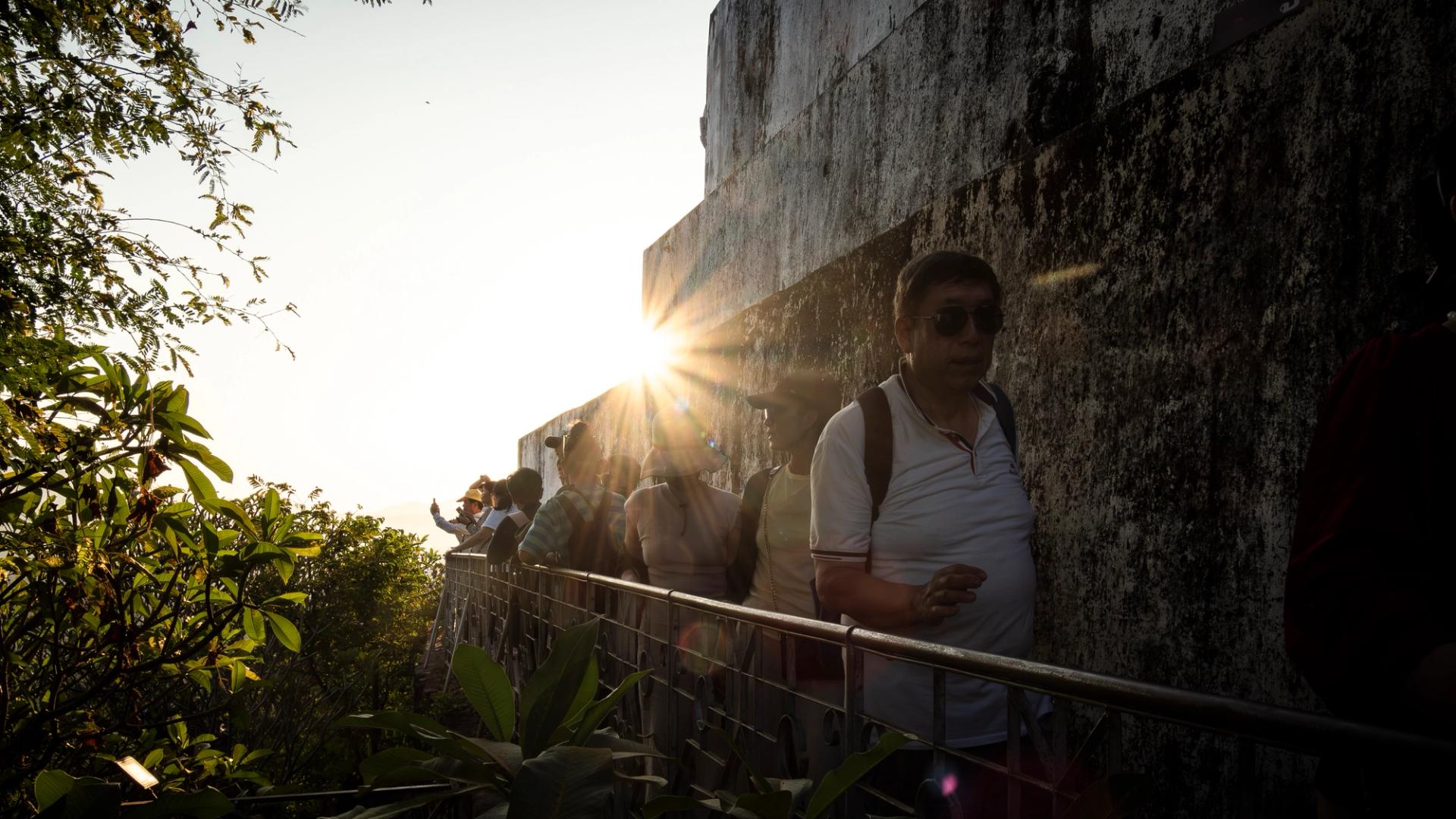
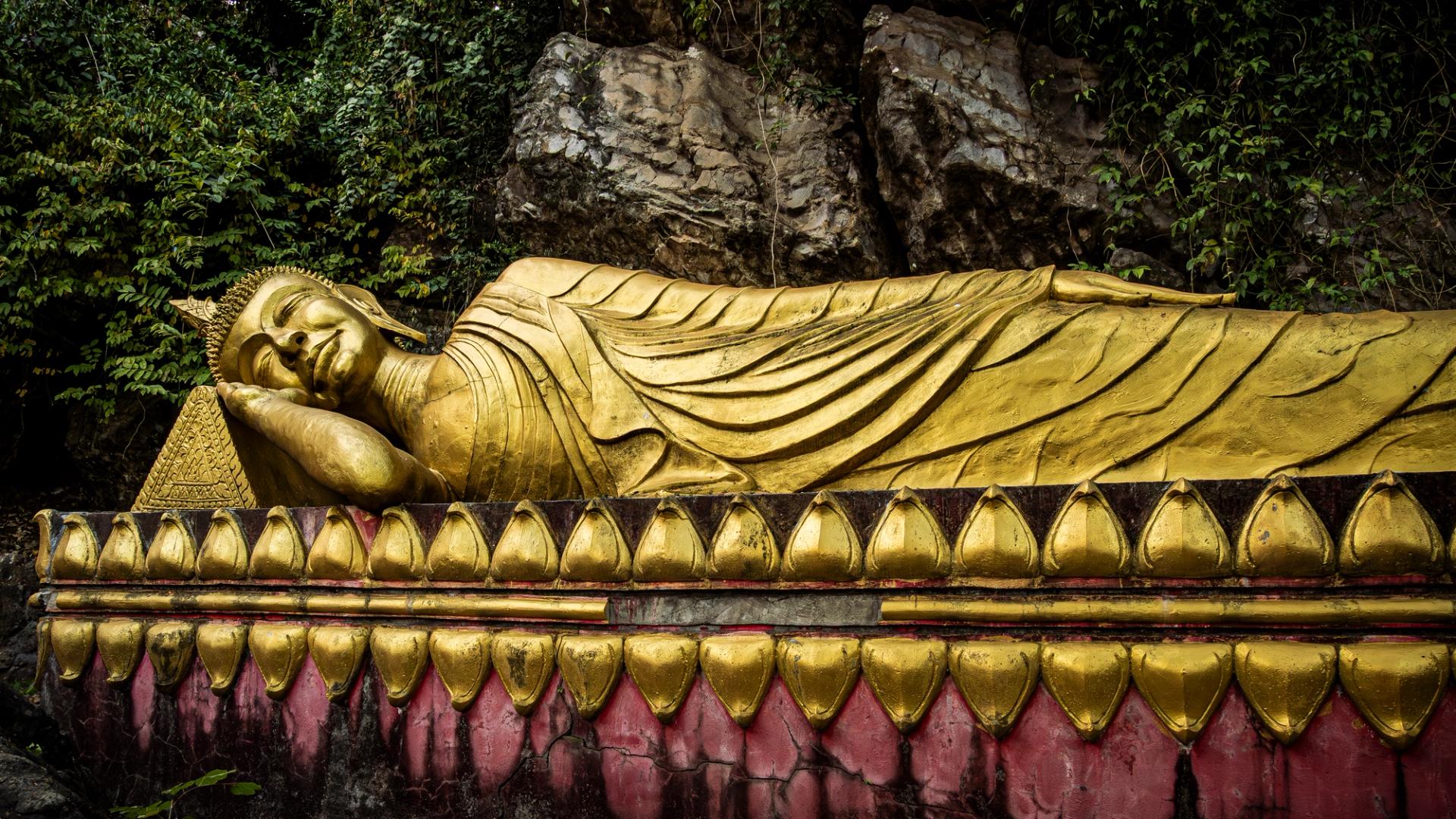
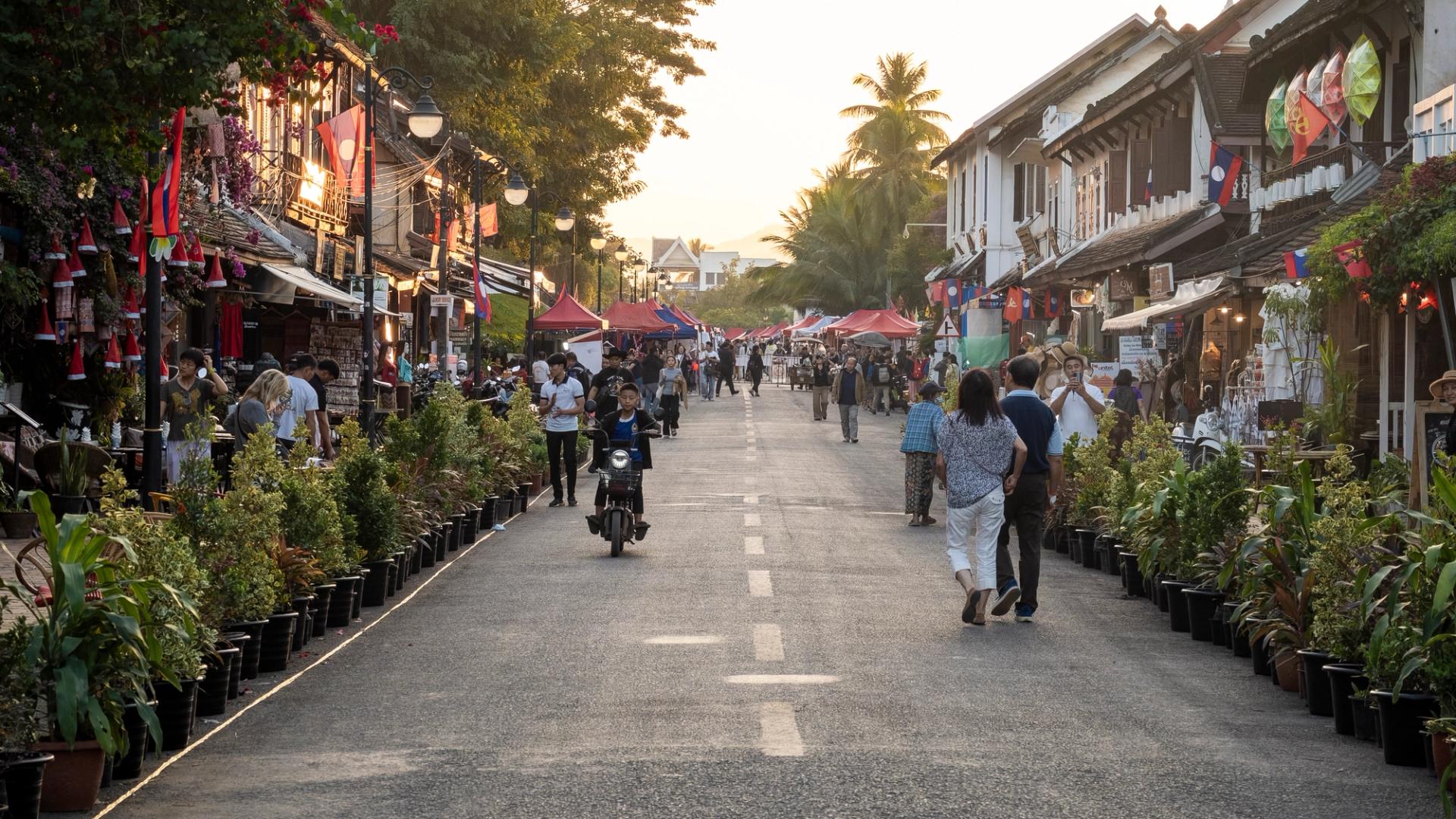
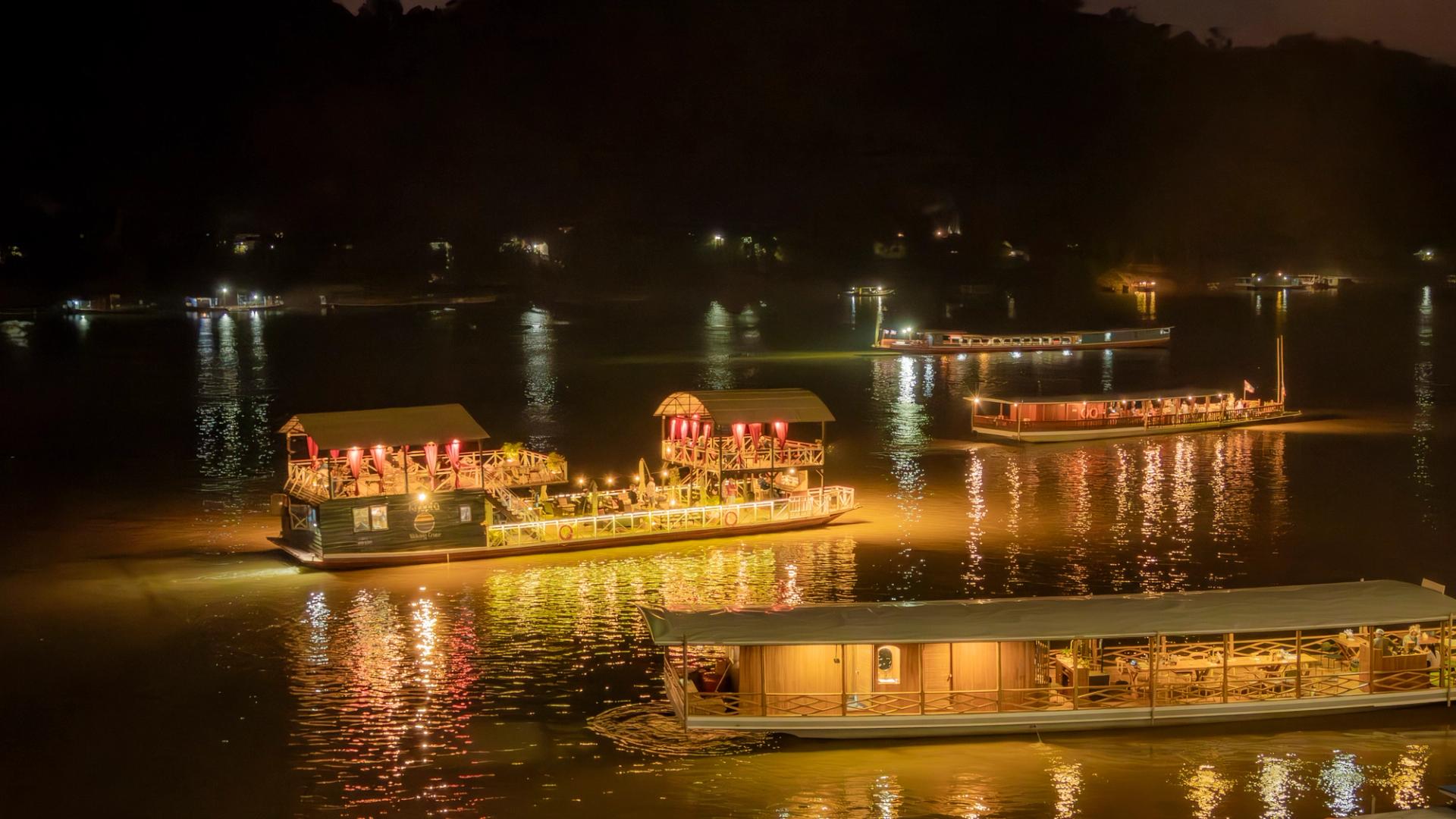
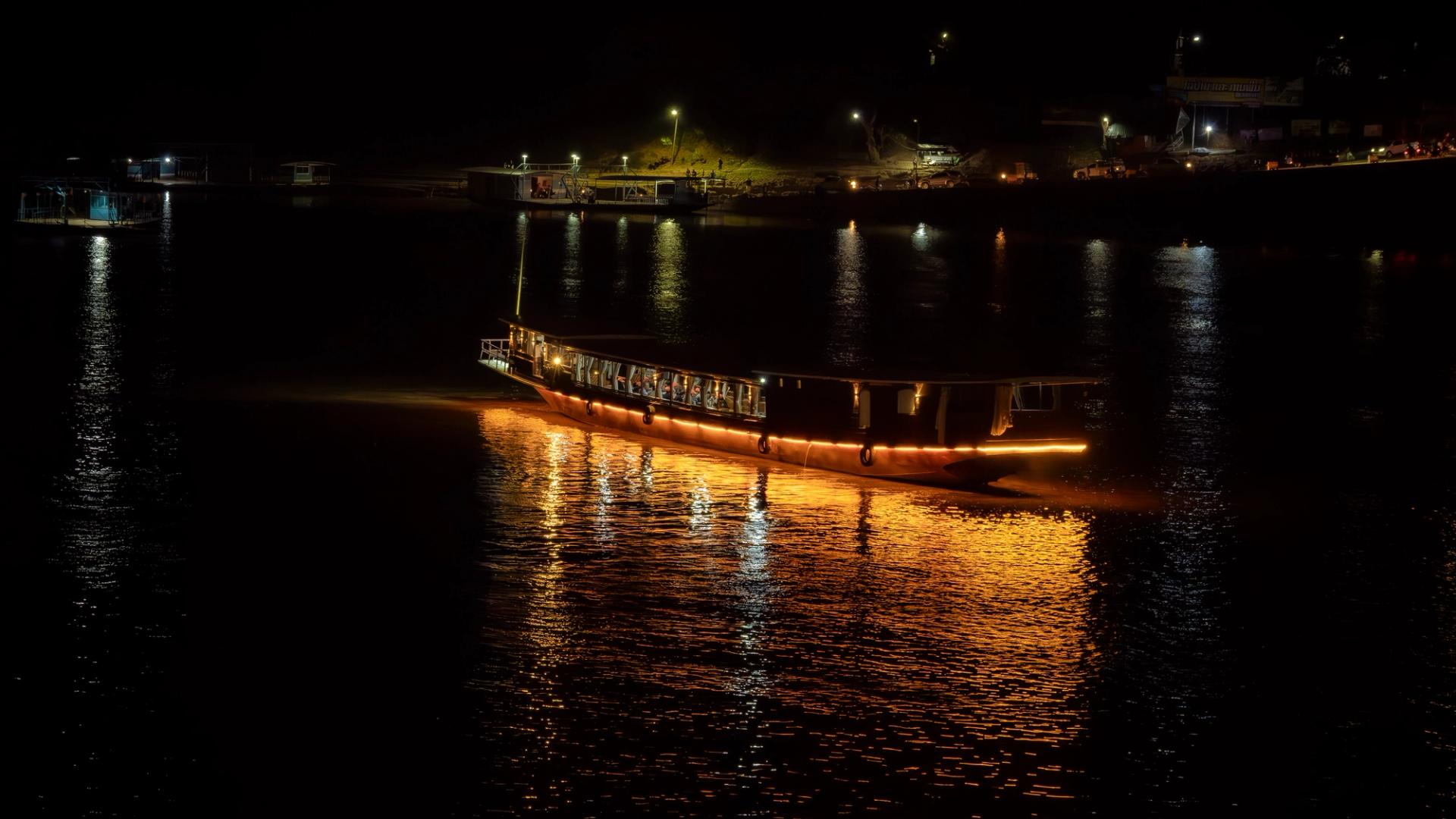
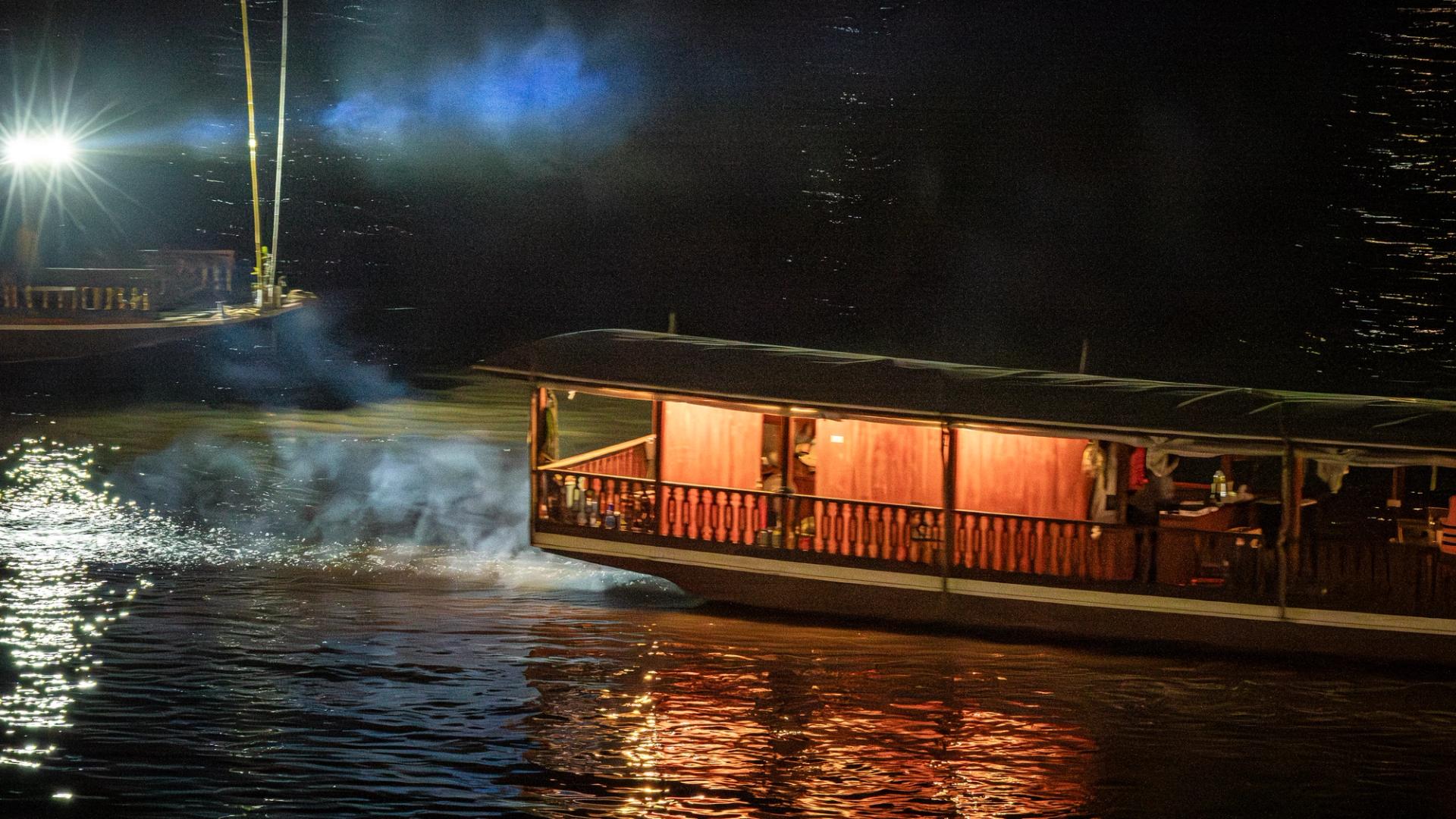
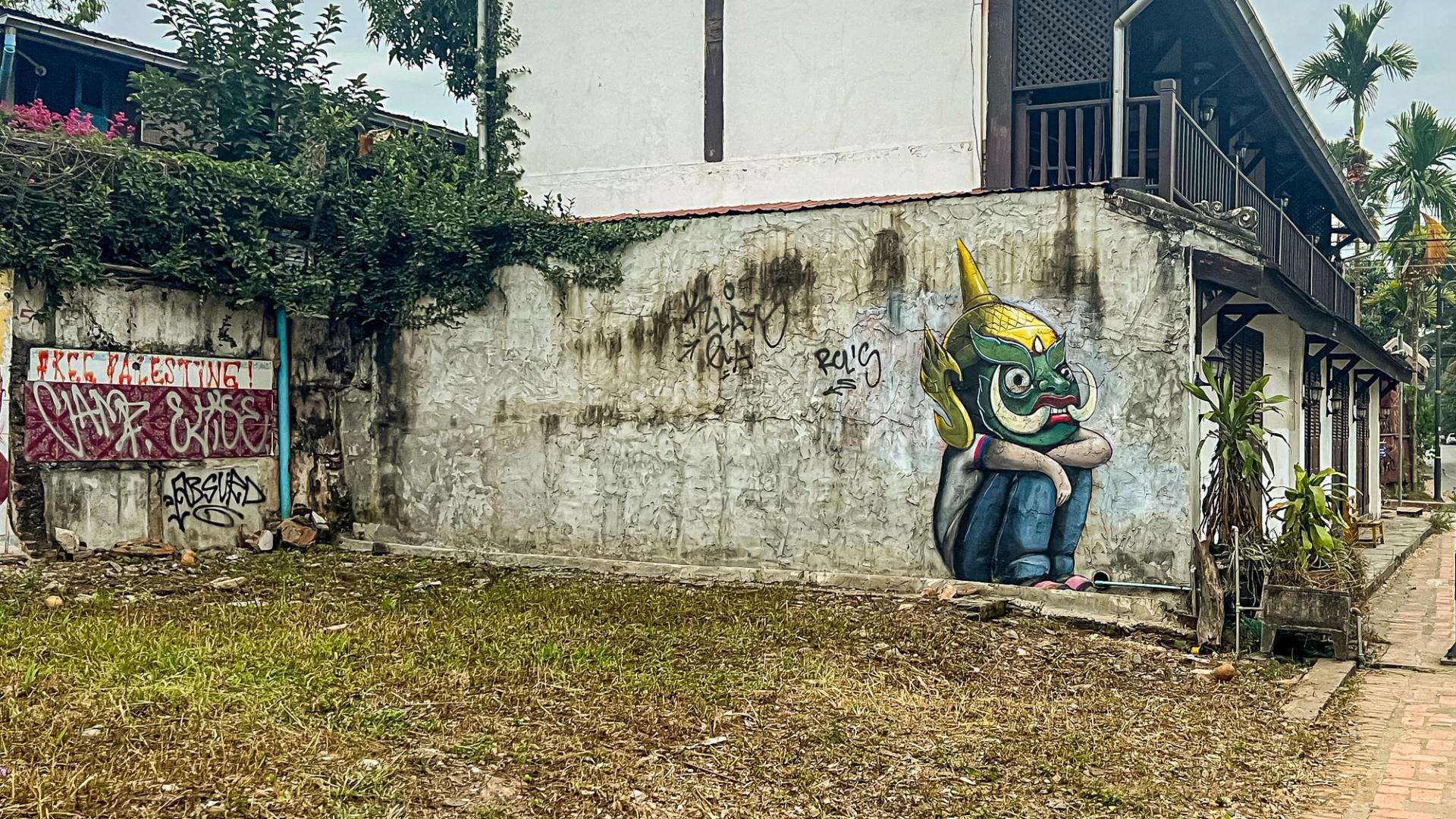
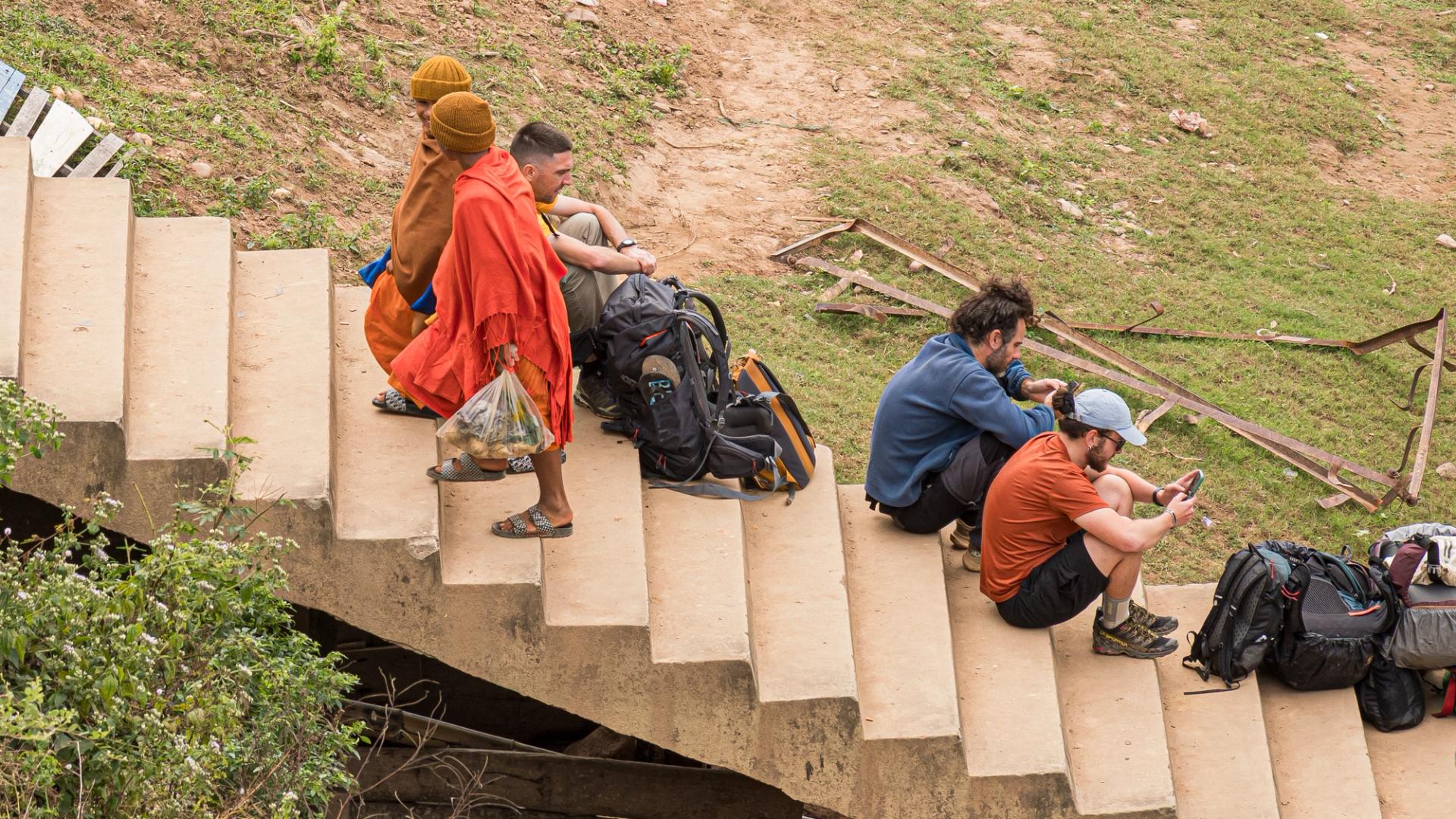
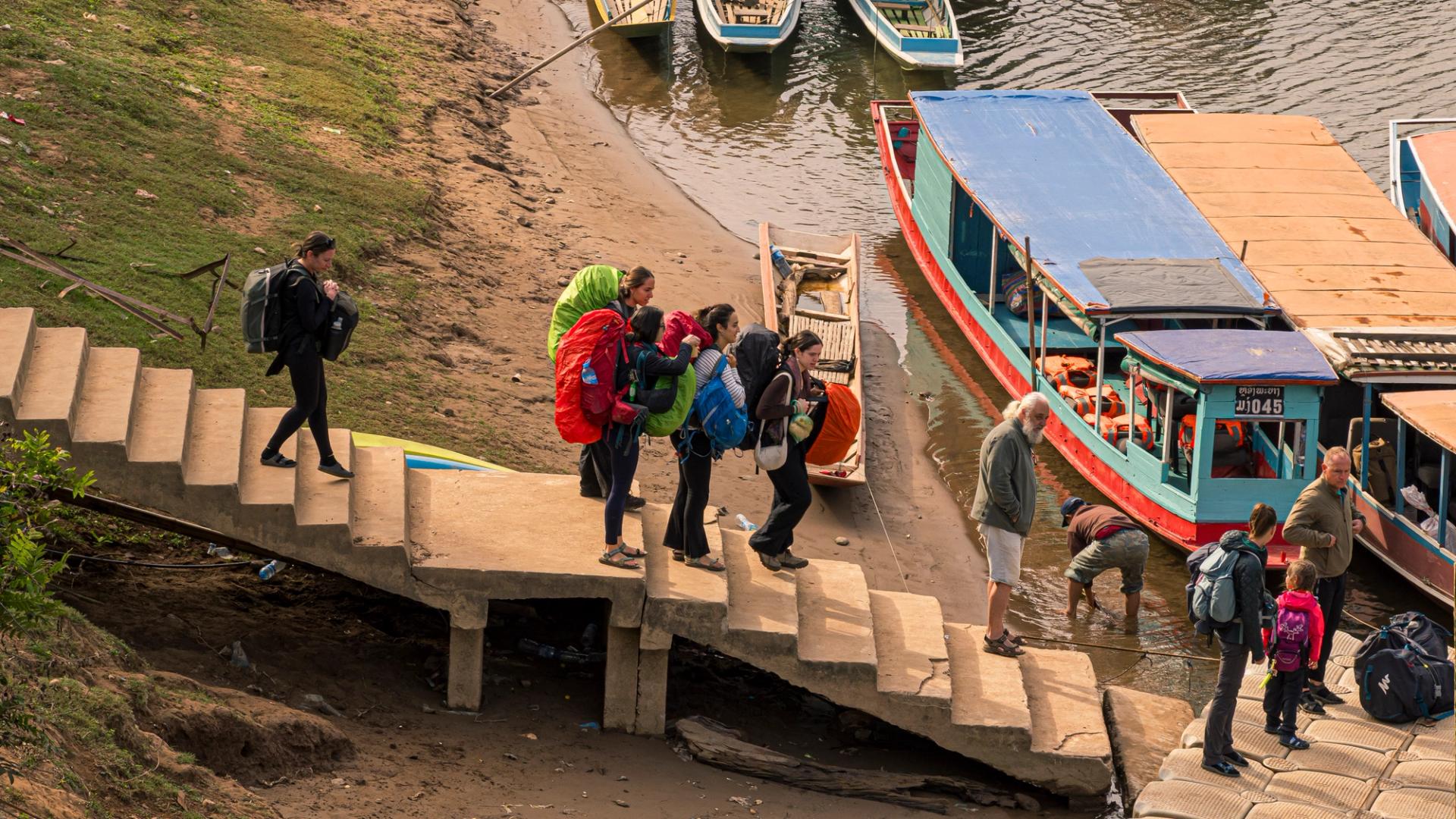
As we mentioned in our previous post, tourism is a growth industry here, the positive and negative impacts ripple through the rest of the economy (it’s a great time to be a builders merchant in Laos!) but with so few roads passable by comfortable means, the growing number of tourists are all funnelled into the same locations.
By the time we reach Luang Prabang there are a fair few faces we know we’ve seen somewhere before..
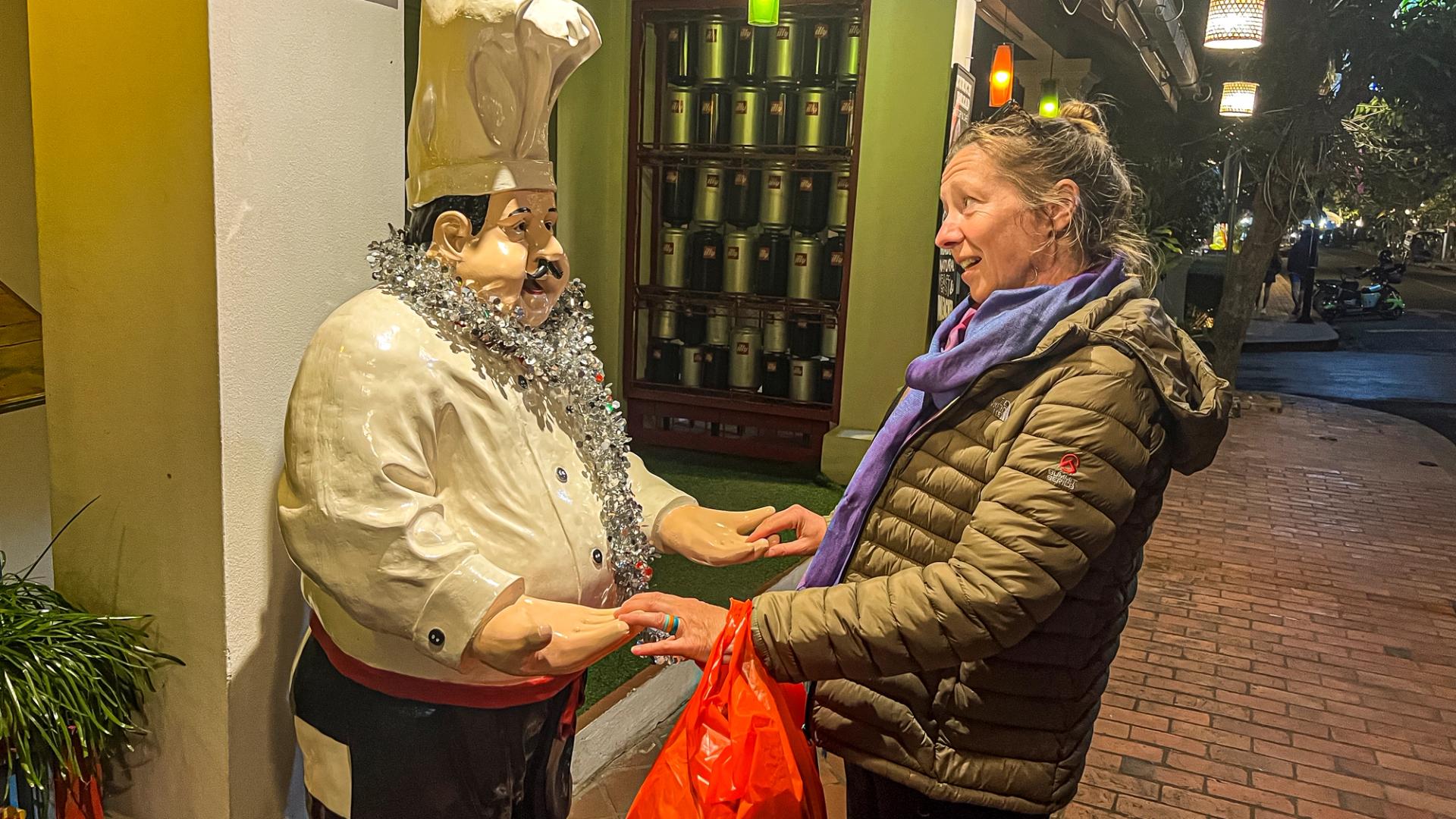
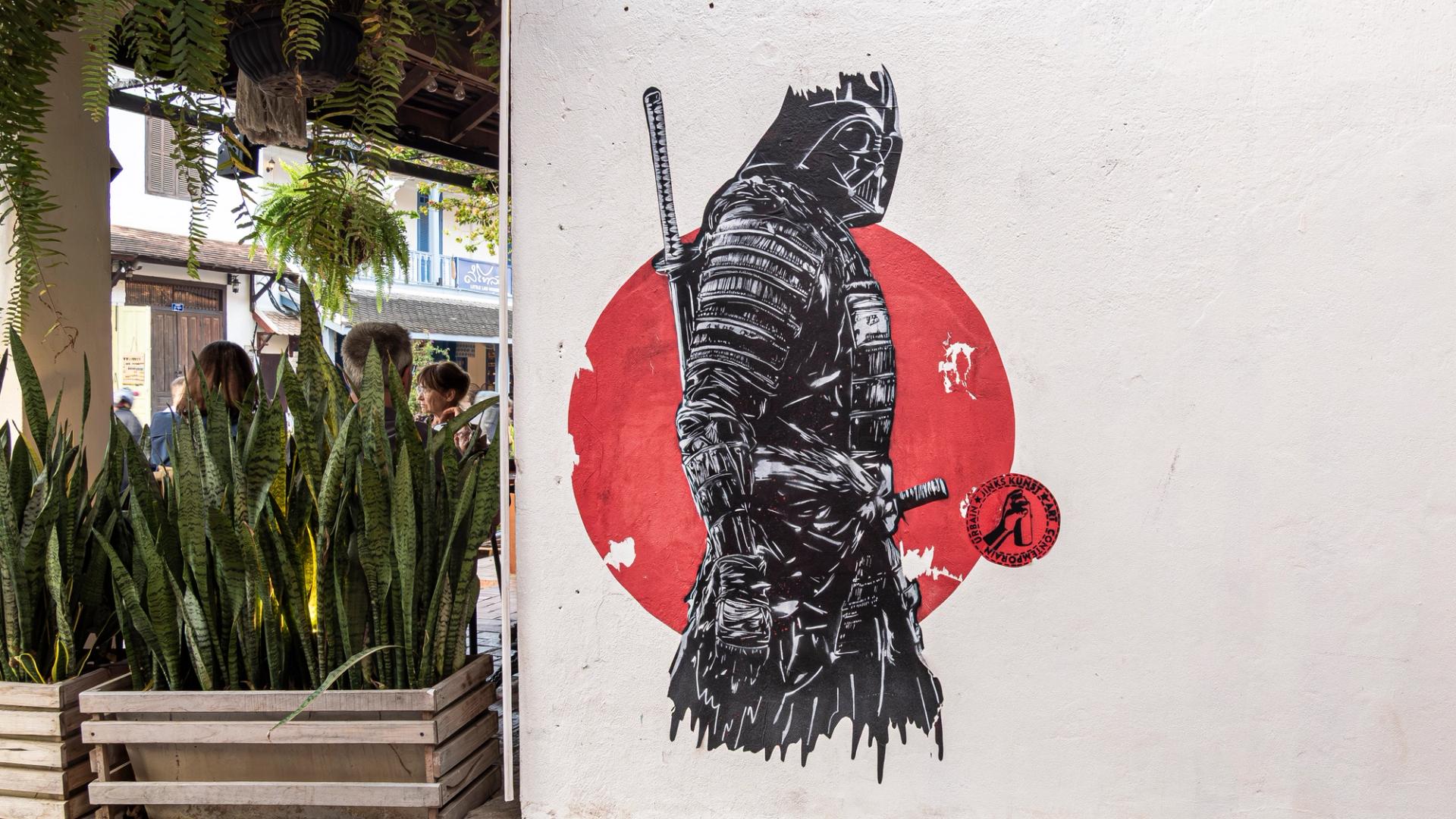
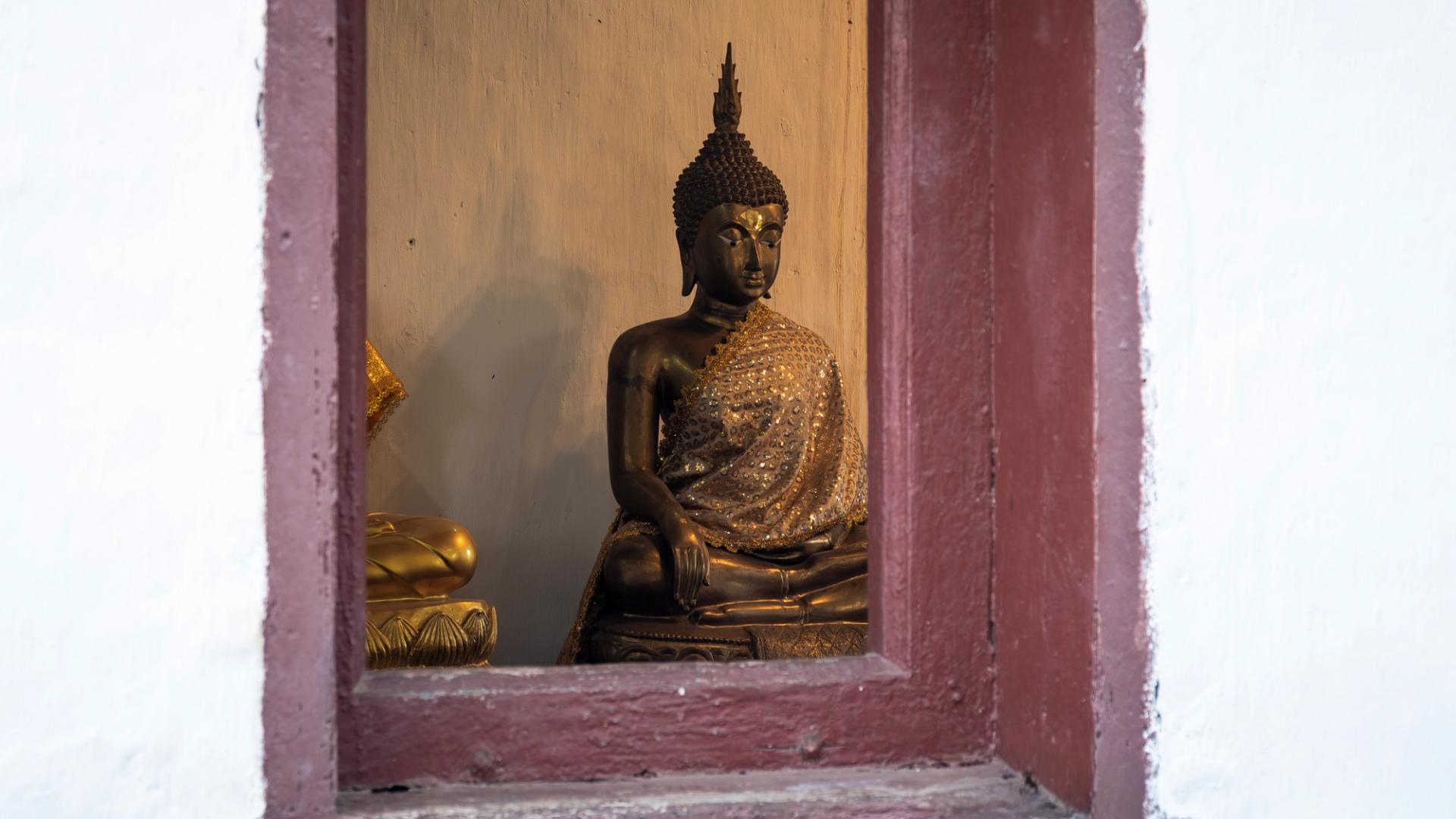
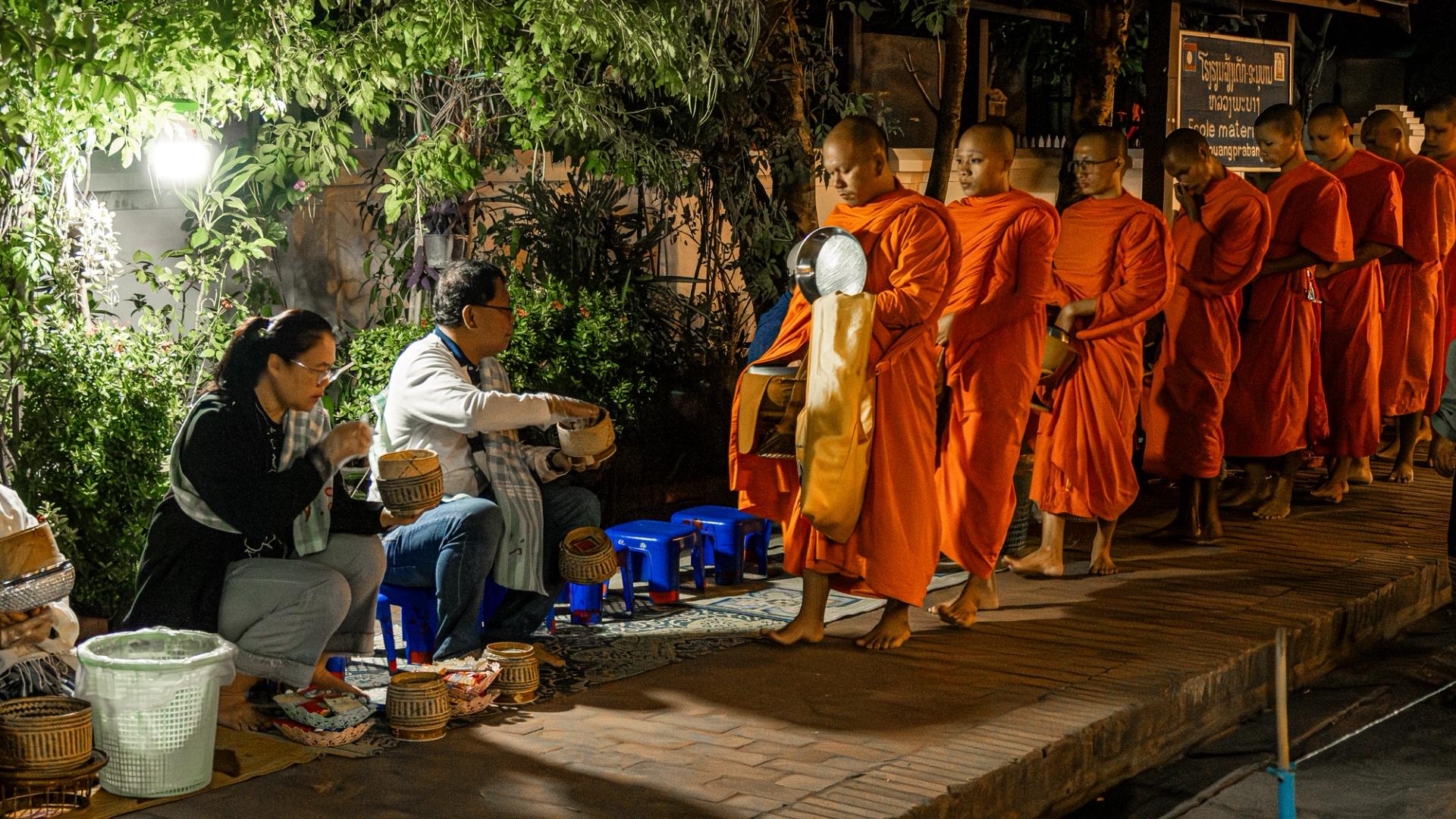
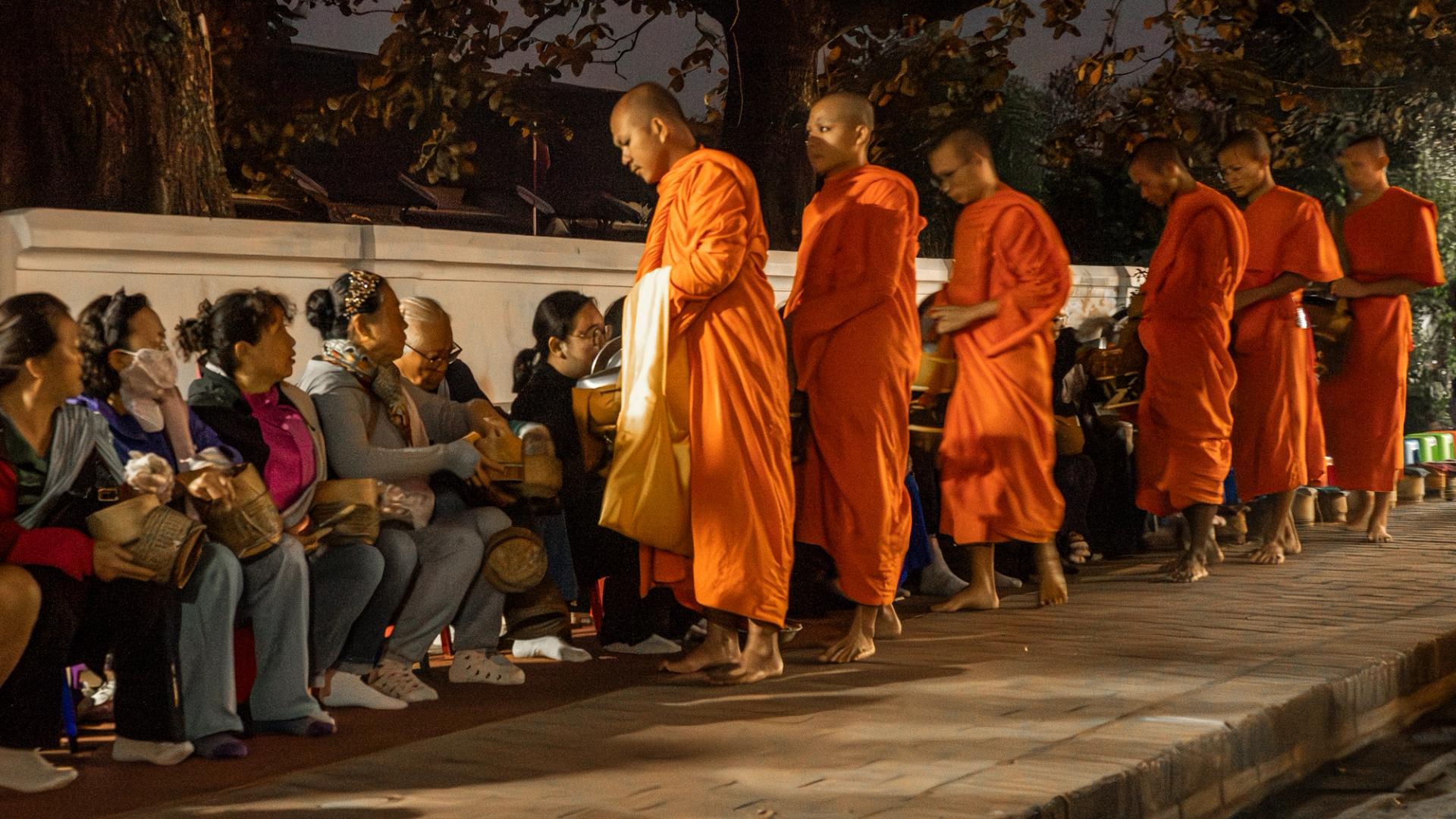
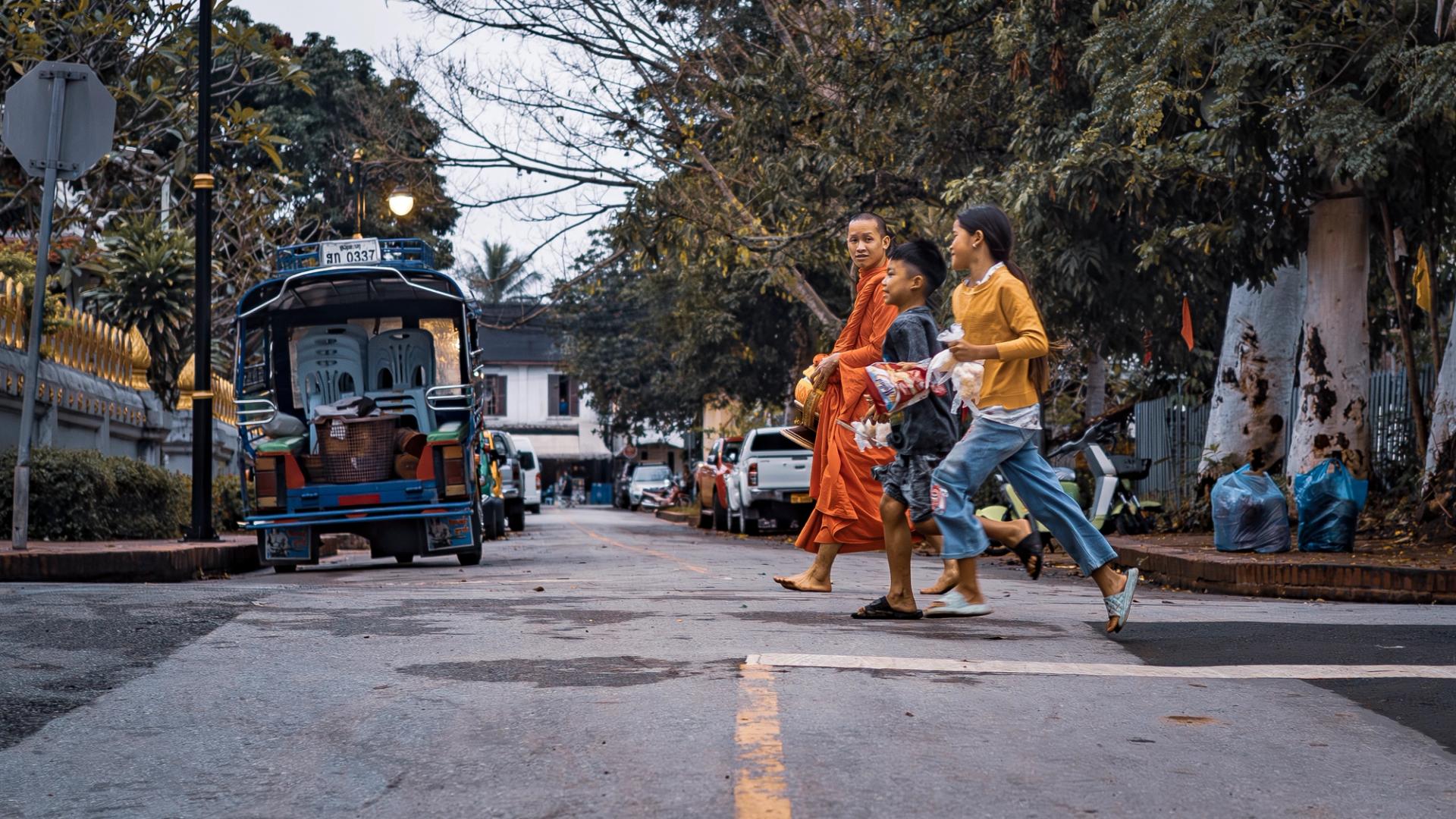
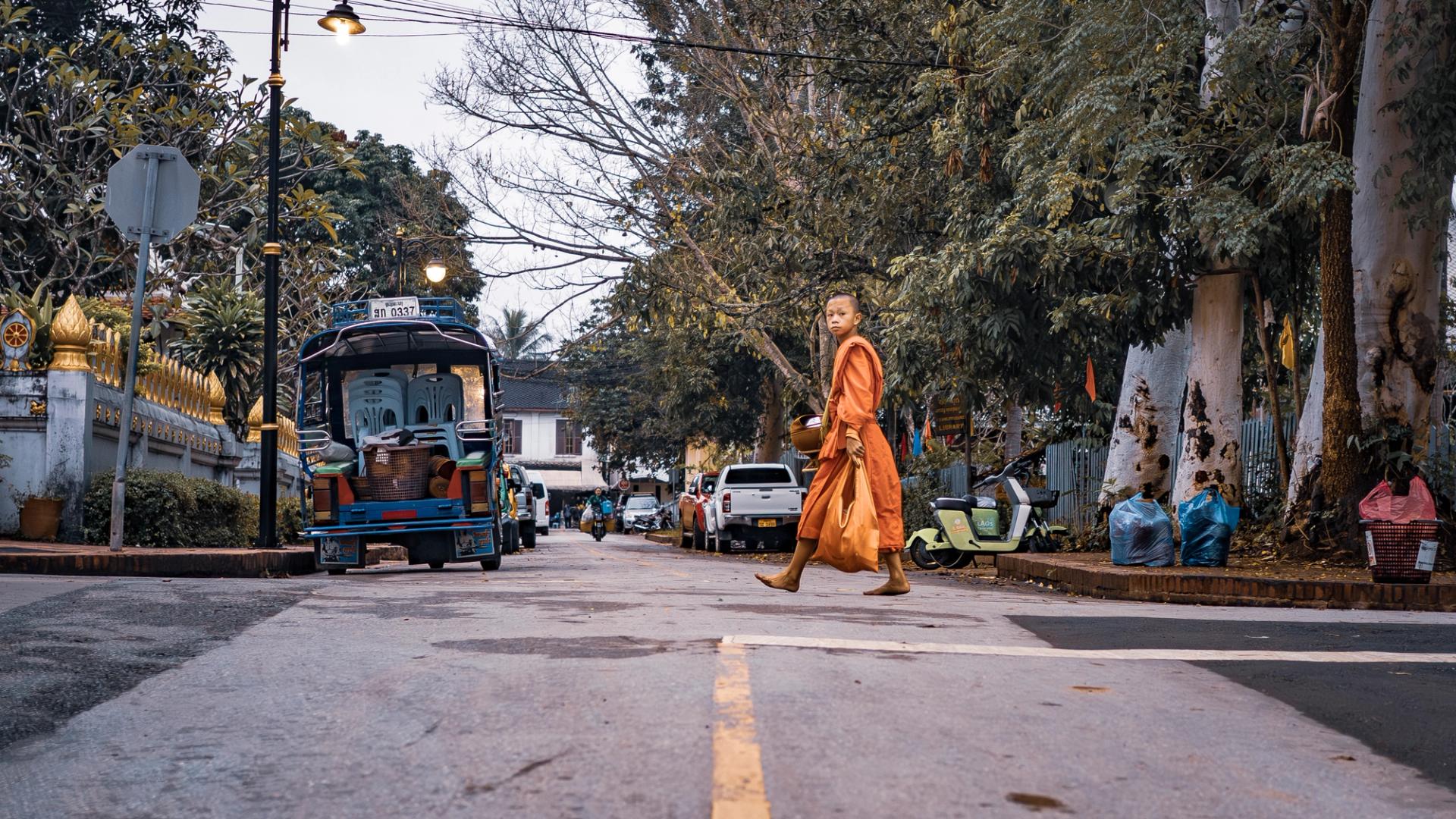
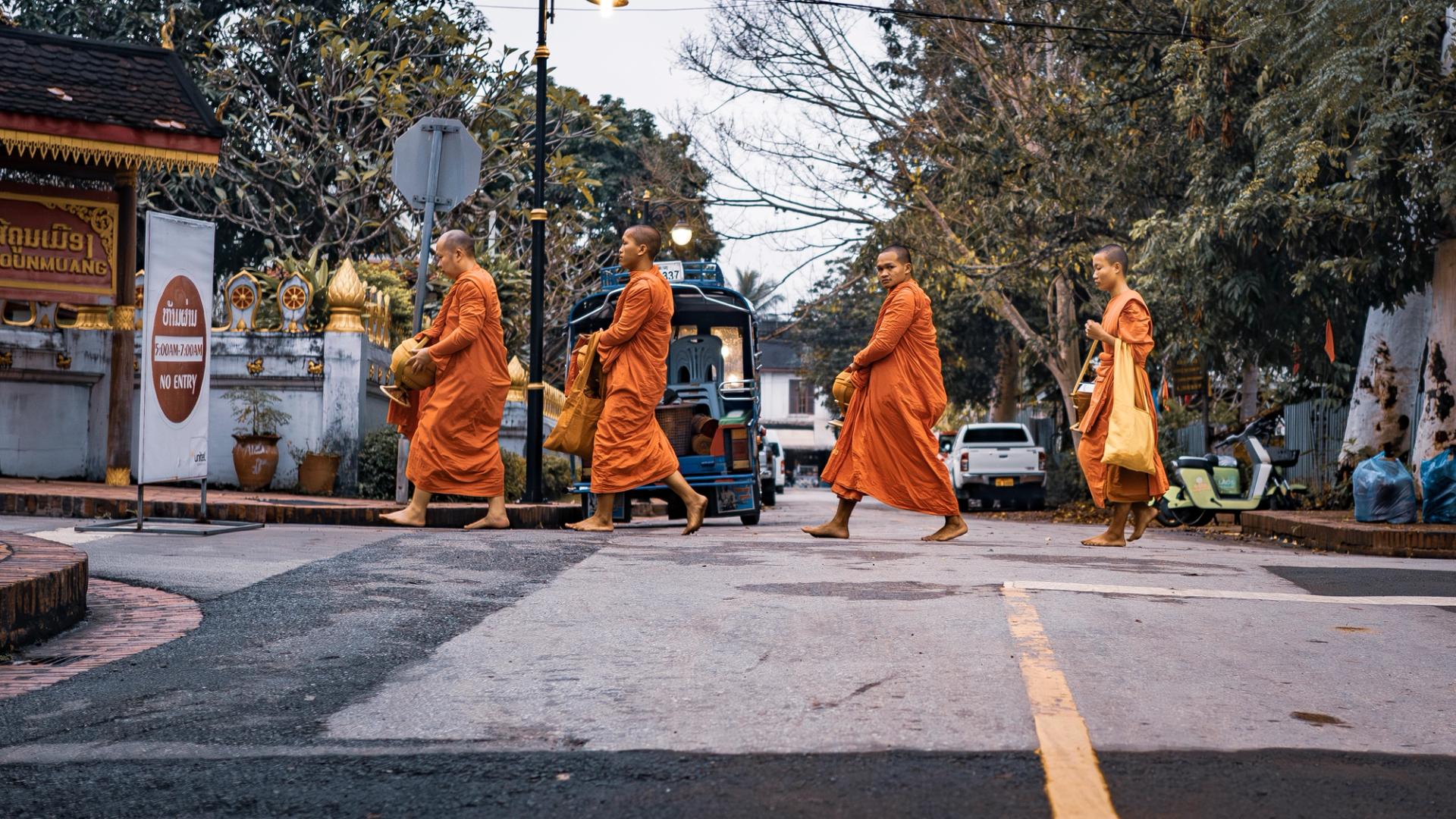
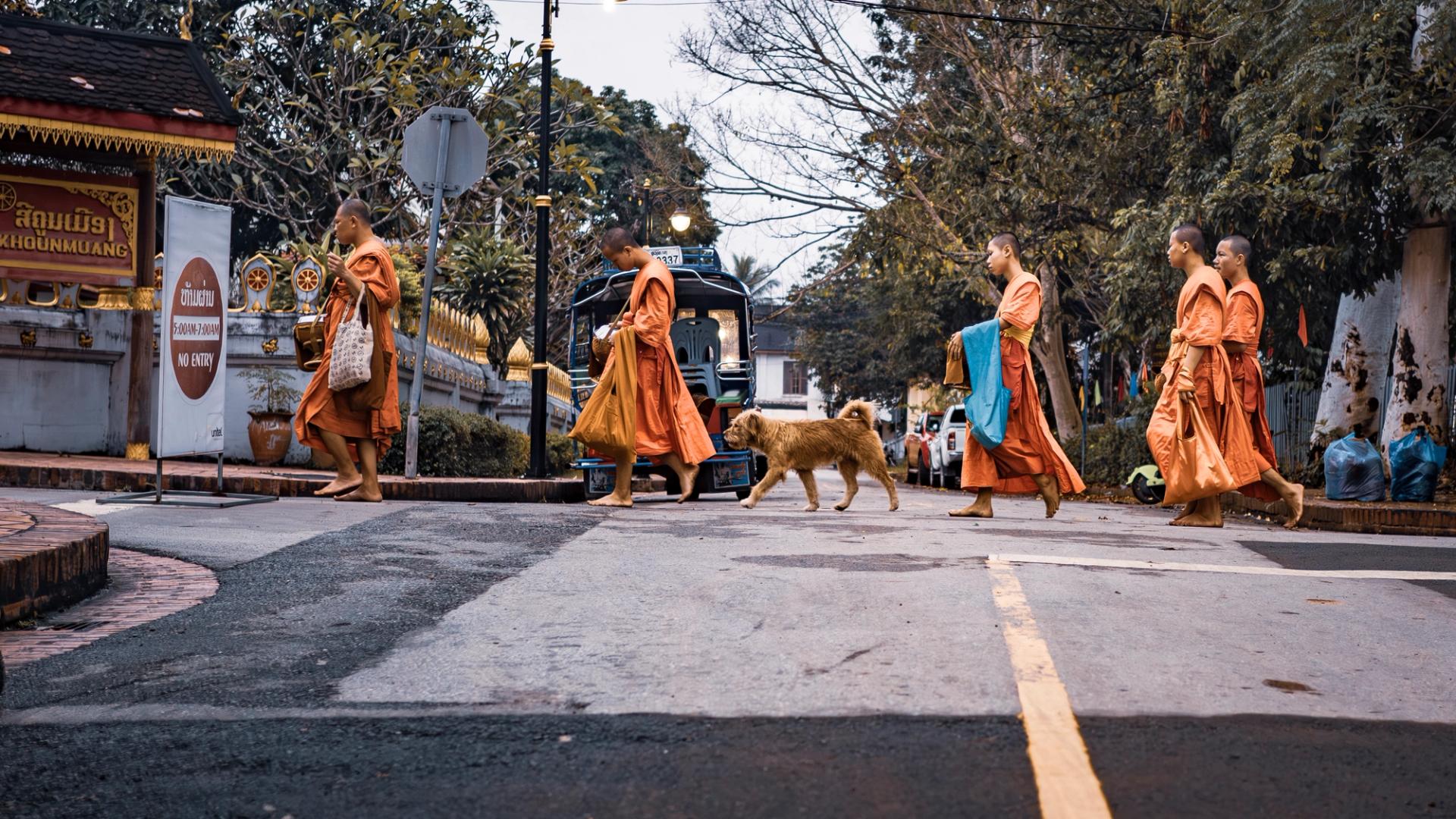
The traditional morning practice of tak bat - the giving of alms - normally sees monks silently walking the streets receiving small offerings of rice and food from people, homes and businesses.It is practiced in most Buddhist countries across Asia, particularly Myanmar, Thailand, Cambodia and Laos.
If you're not sitting still and paying attention, you may well not notice - it’s usually a low fuss interaction between the Sangha and the people, which embeds generosity and acknowledgement into everyday life and so strengthens communities.
When you do notice, it can be quite magical to witness - I’ll always remember watching the ghostly figures of the Thilashin (buddhist nuns) in Nyaungshwe (Shan state, Myanmar), emerging through heavy cold fog sometime before 6am, gliding along the town streets blessing those that came to offer, all this happening while I was out buying coffee (in a plastic bag) and e kyar kway (really tasty long vee-shaped doughnut like things, best dipped in coffee, condensed milk, or ideally both).
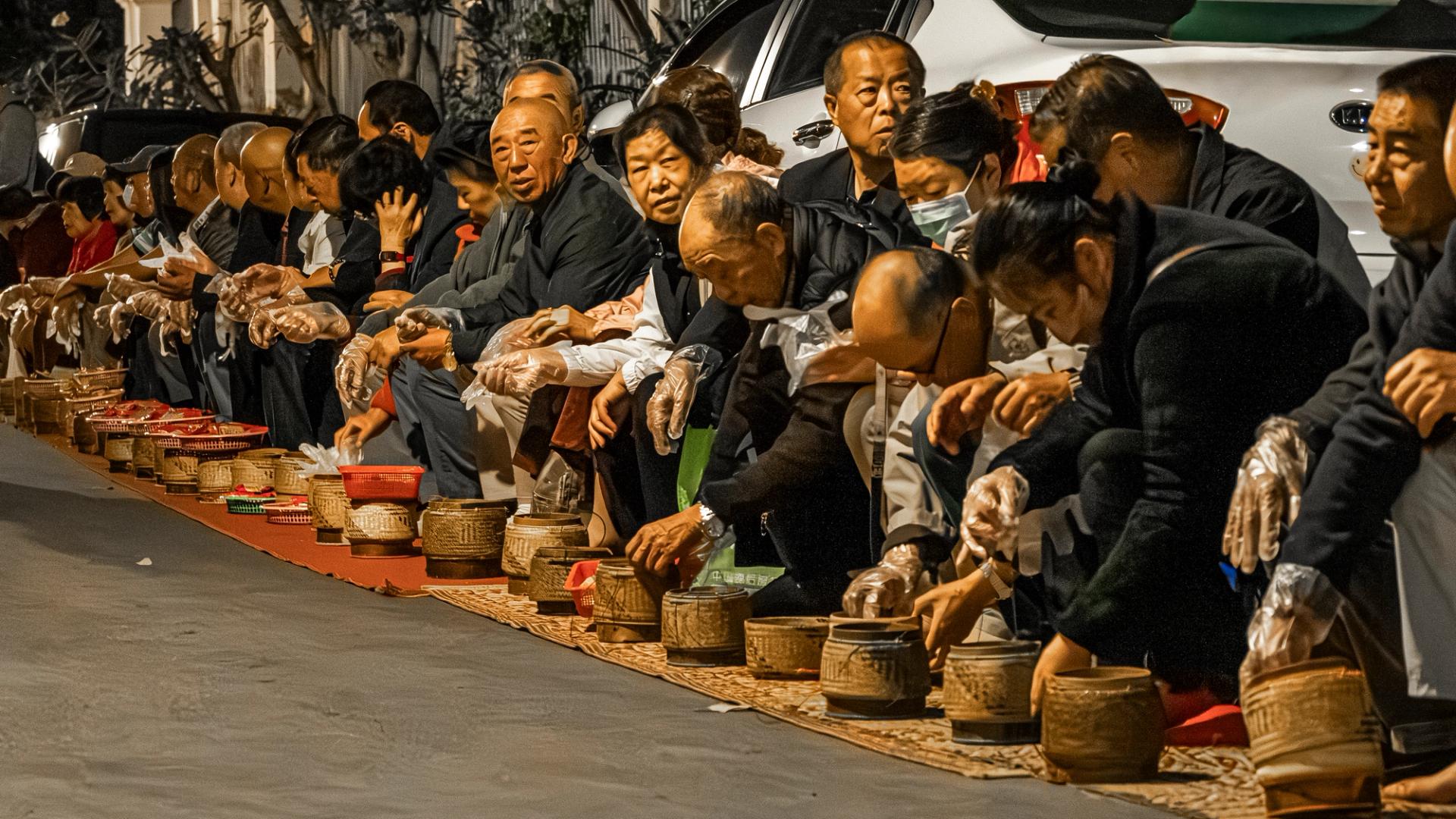
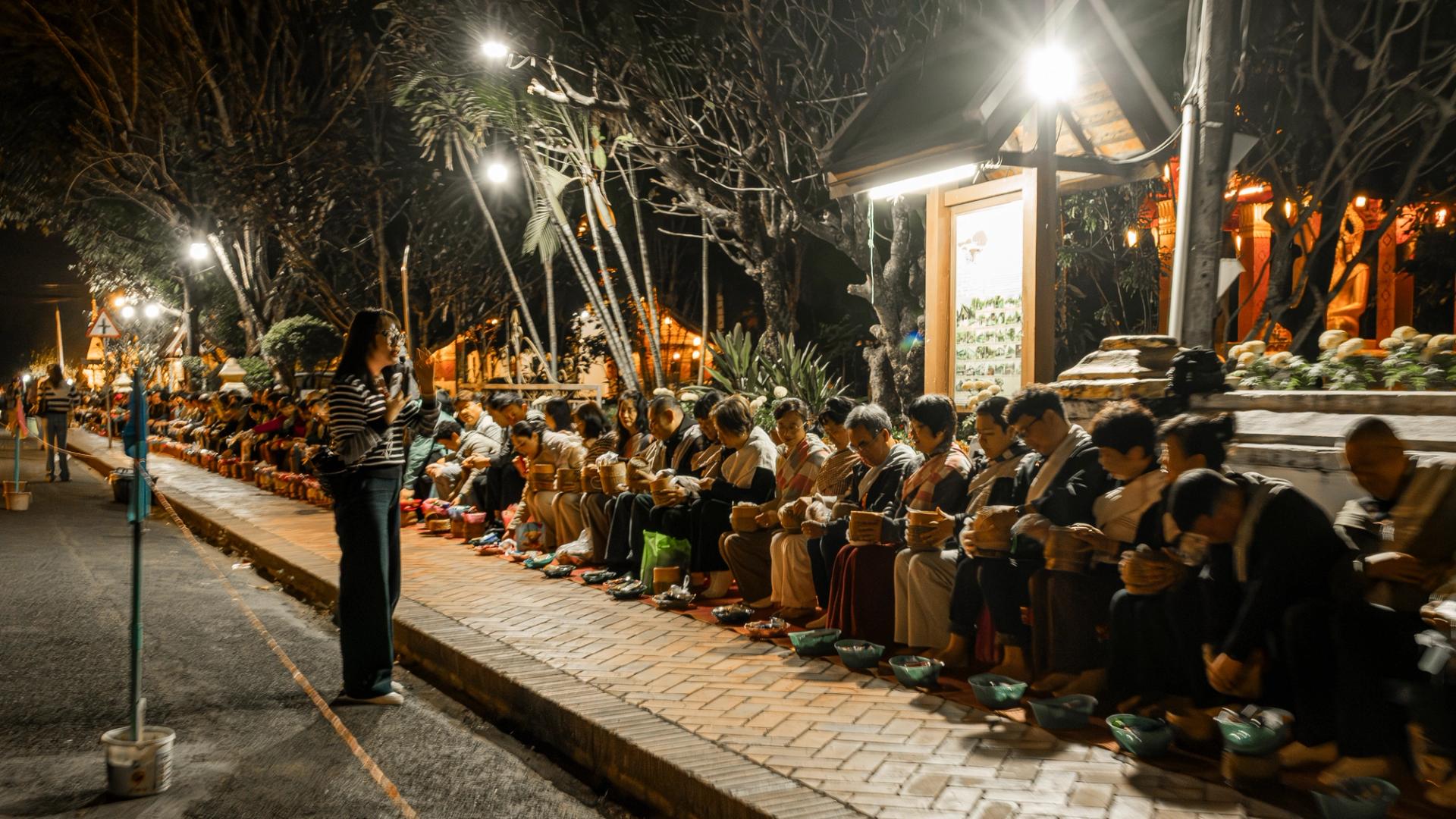
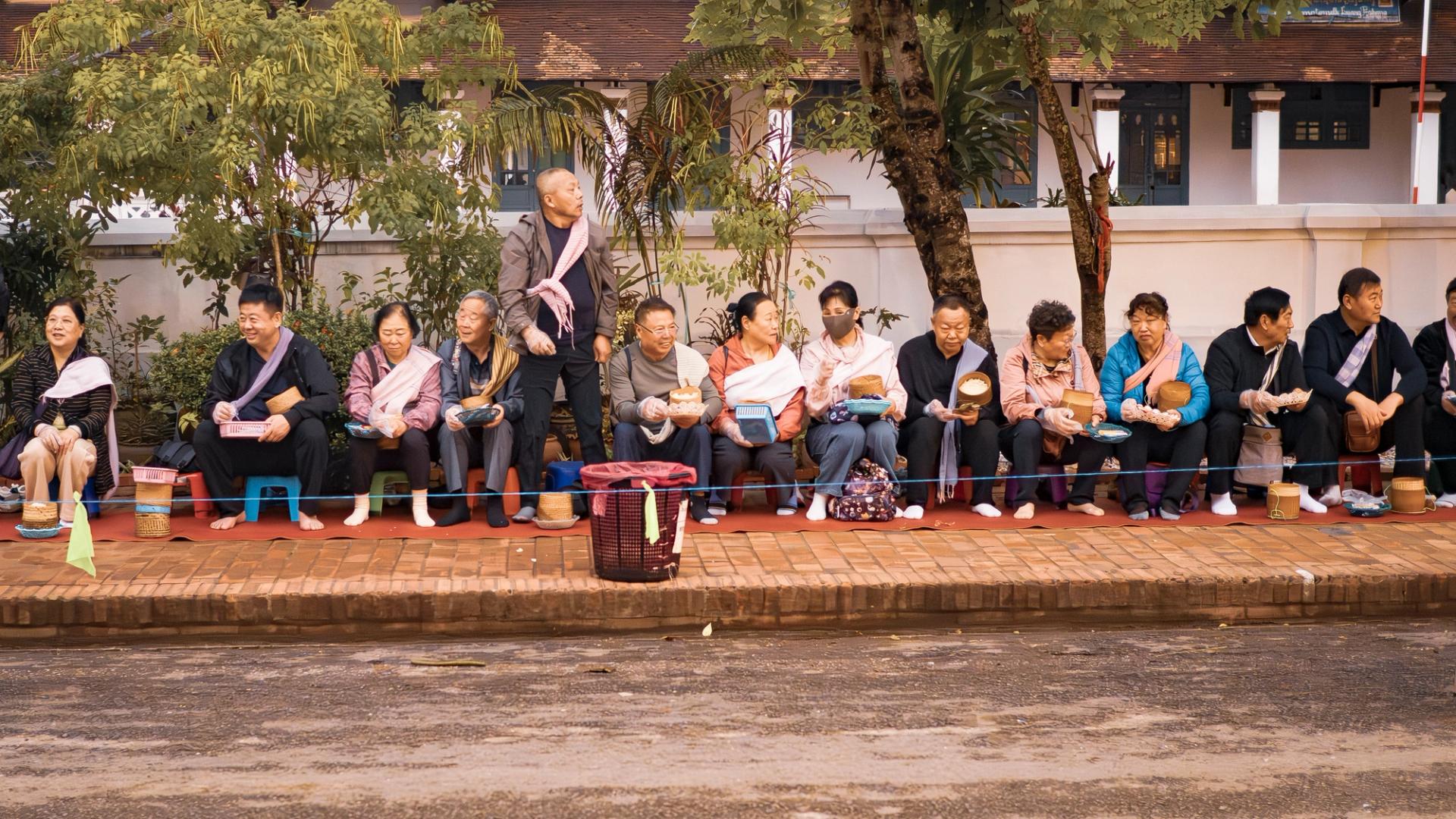
In Luang Prabang, the practice has become rather different. As visitors appreciation of tak bet and it’s photogenic nature has grown, more effort has been made to manage the event and accommodate more foreign participants and onlookers. Tak bet at dawn here is quite the spectacle:
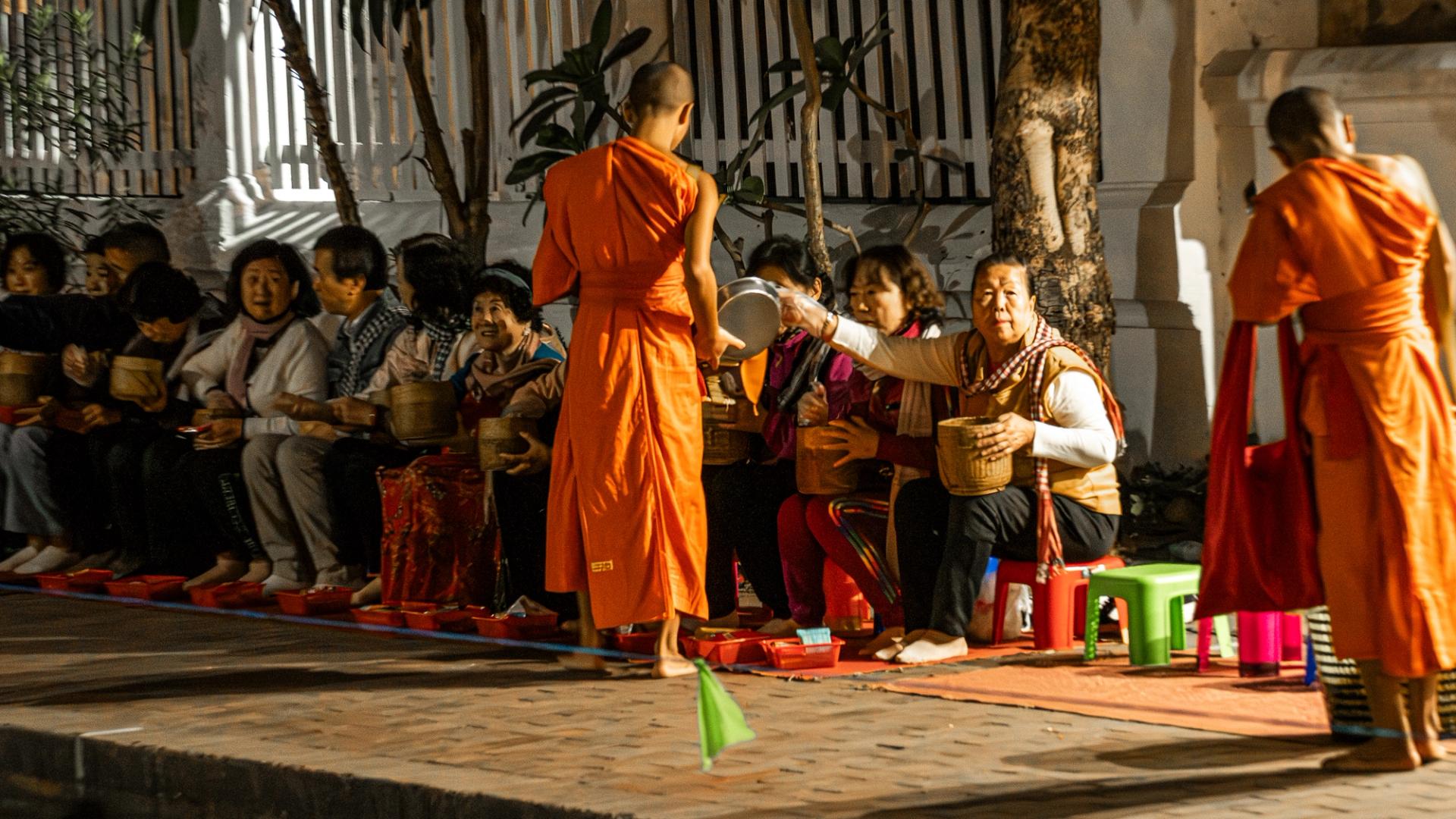
People line the streets, sitting on plastic stools set out in advance, as the first temple drums ring out at 4am. In front of them are bowls and baskets filled with rice, coffee sachets, crisps, noodles and other treats - all purchased from vendors set up for the show, or even pre-purchased as part of their tour package. Some listen to their tour guide’s radio mic via ear-pieces, despite them standing just 3 feet in front of them.The noise and chaos is something, given it’s not yet 6am.
As the monks quietly begin their rounds there is a wave of frenzy that precedes them, followed by quiet calm as people focus, show respect and appreciate the moment. Some simply pose for their friends who are standing opposite in a similarly sized crowd, faces lit by their phones as they capture every moment.

Comments