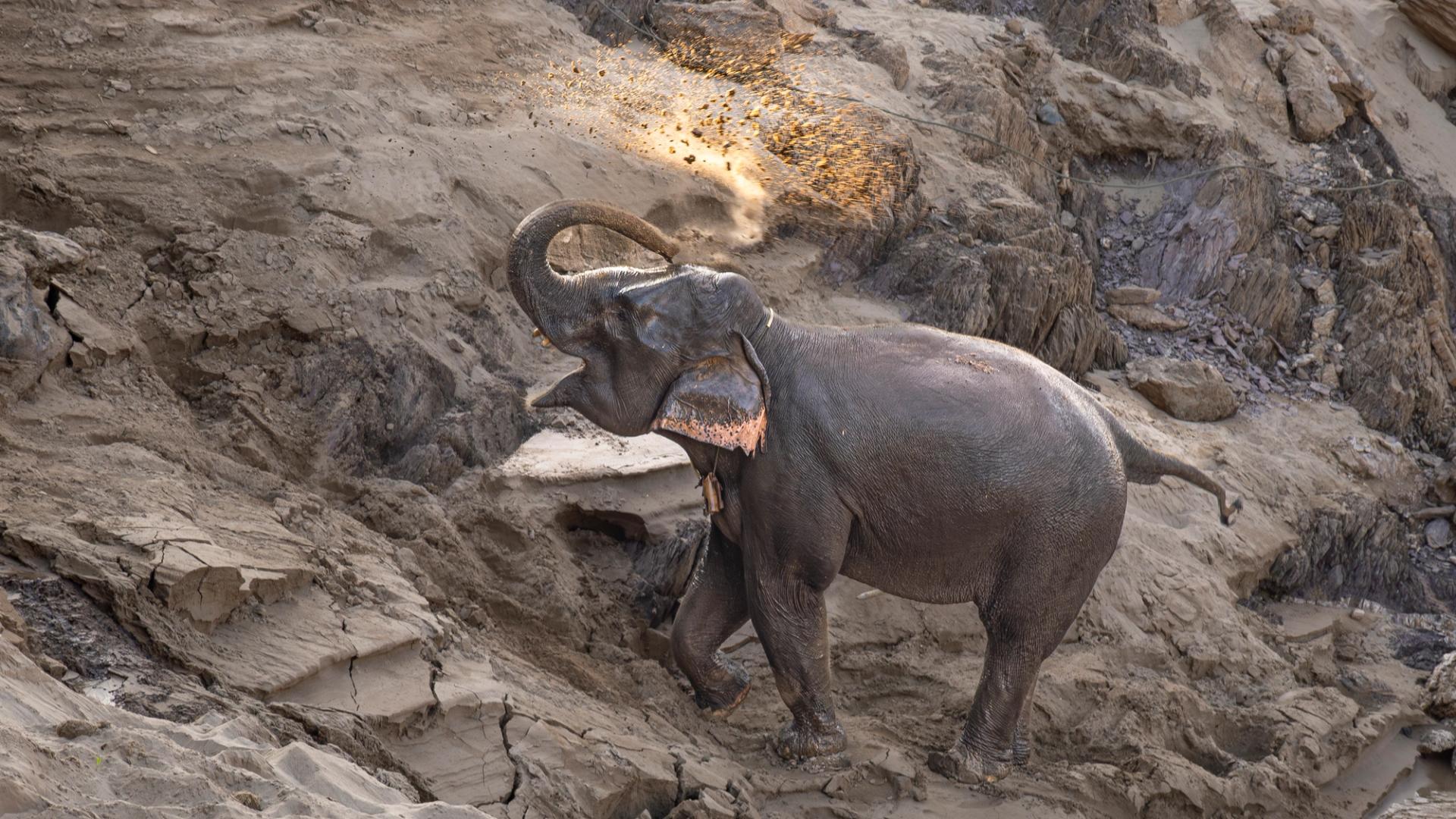
The Land of a Million Elephants
As we walk through the unnervingly quiet forests of Laos, it becomes clear that the absence of wildlife is not the result of any single cause. Decades of conflict, habitat loss, and sustained hunting pressure - shaped by geography, history, and survival - have all played their part. Understanding this context doesn’t make it easier to witness, but it does demand respect for everything that has gone before, even when viewed through our inevitably privileged Western lens.
The consumption of insects is deeply embedded in Lao culture, particularly among indigenous ethnic groups like the Lao Loum, Khamu, and Hmong, and is a result of utilising abundant, natural food sources in a mountainous and landlocked country. For centuries, almost all wild animals, including fish, birds, reptiles, monkeys and insects, have been collected and used as vital protein sources, in traditional medicines or exploited in other ways.
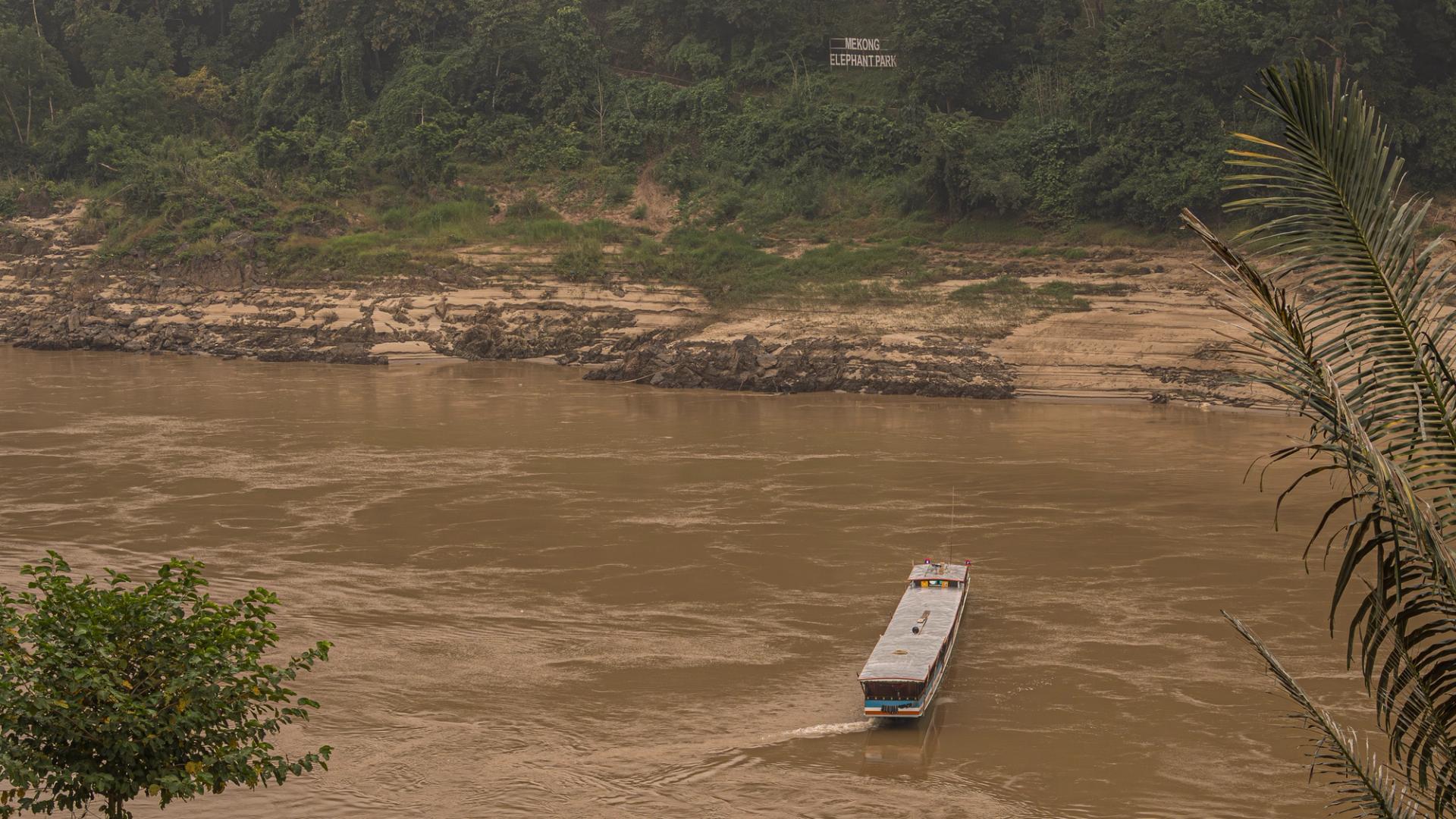
An extra day in Pak Beng finds us visiting an elephant and wildlife sanctuary, a place that is attempting to walk the fine line between respectful conservation and preserving traditional ways of life.
Mekong Elephant Park was once an elephant riding centre, a solution to take elephants out of the logging industry. With a change of management 8 years ago, Wendy stepped into the project with the strong willingness to change things while working closely with the local community.
Working hard to change long held opinions of tourists (if people can’t ride, they won’t come) the team of the Sanctuary are slowly gaining hearts, minds and momentum.
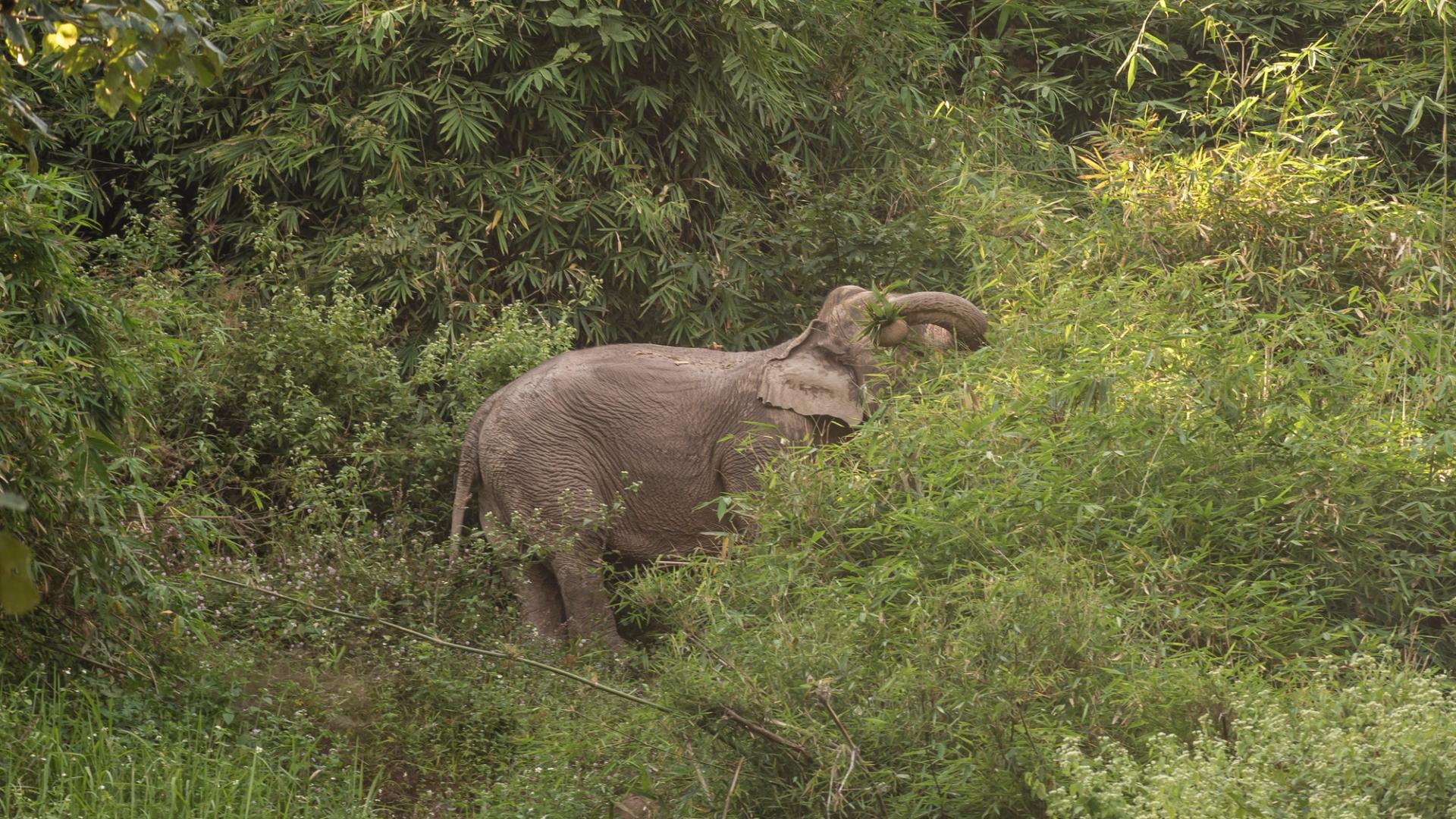
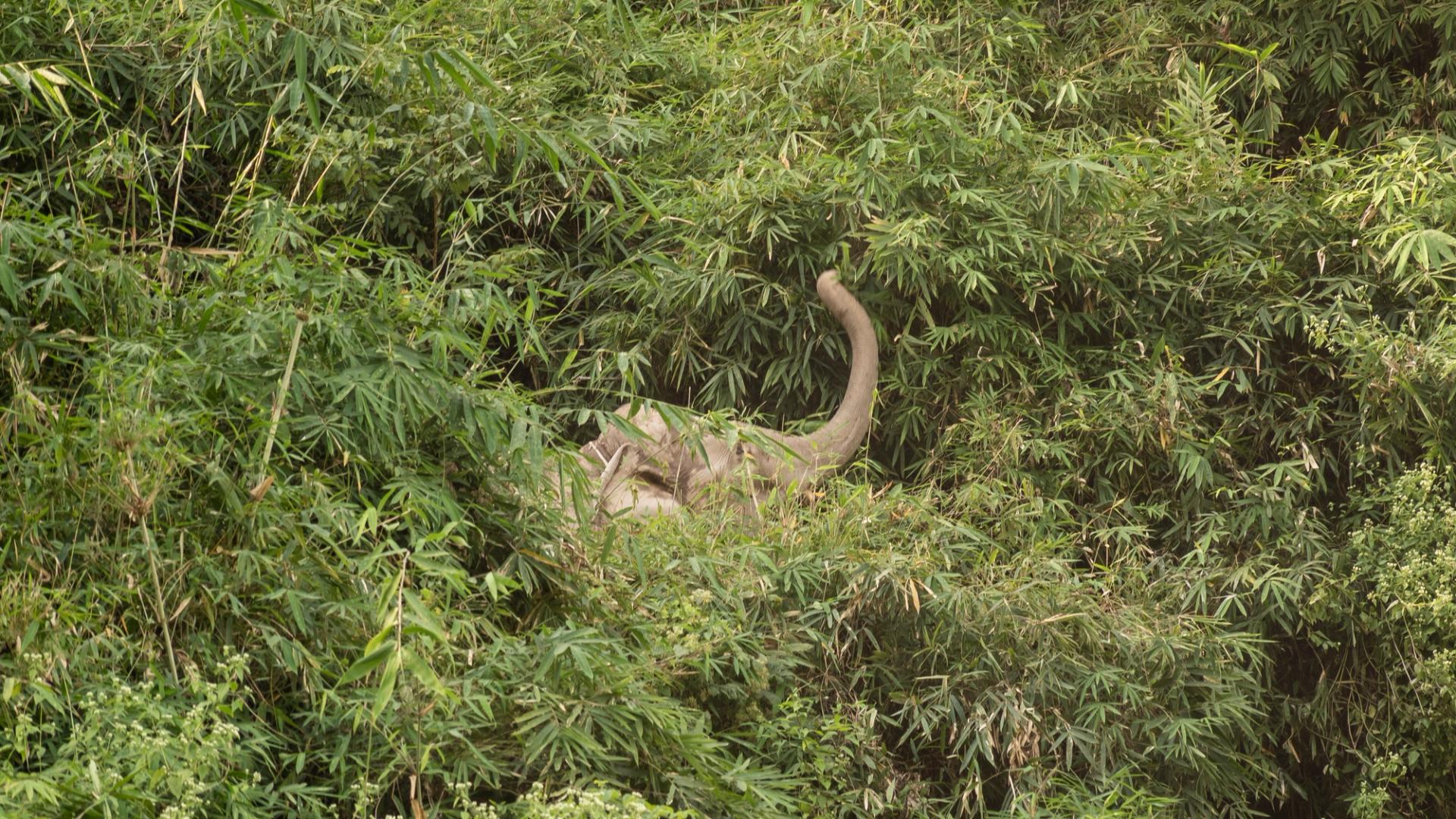
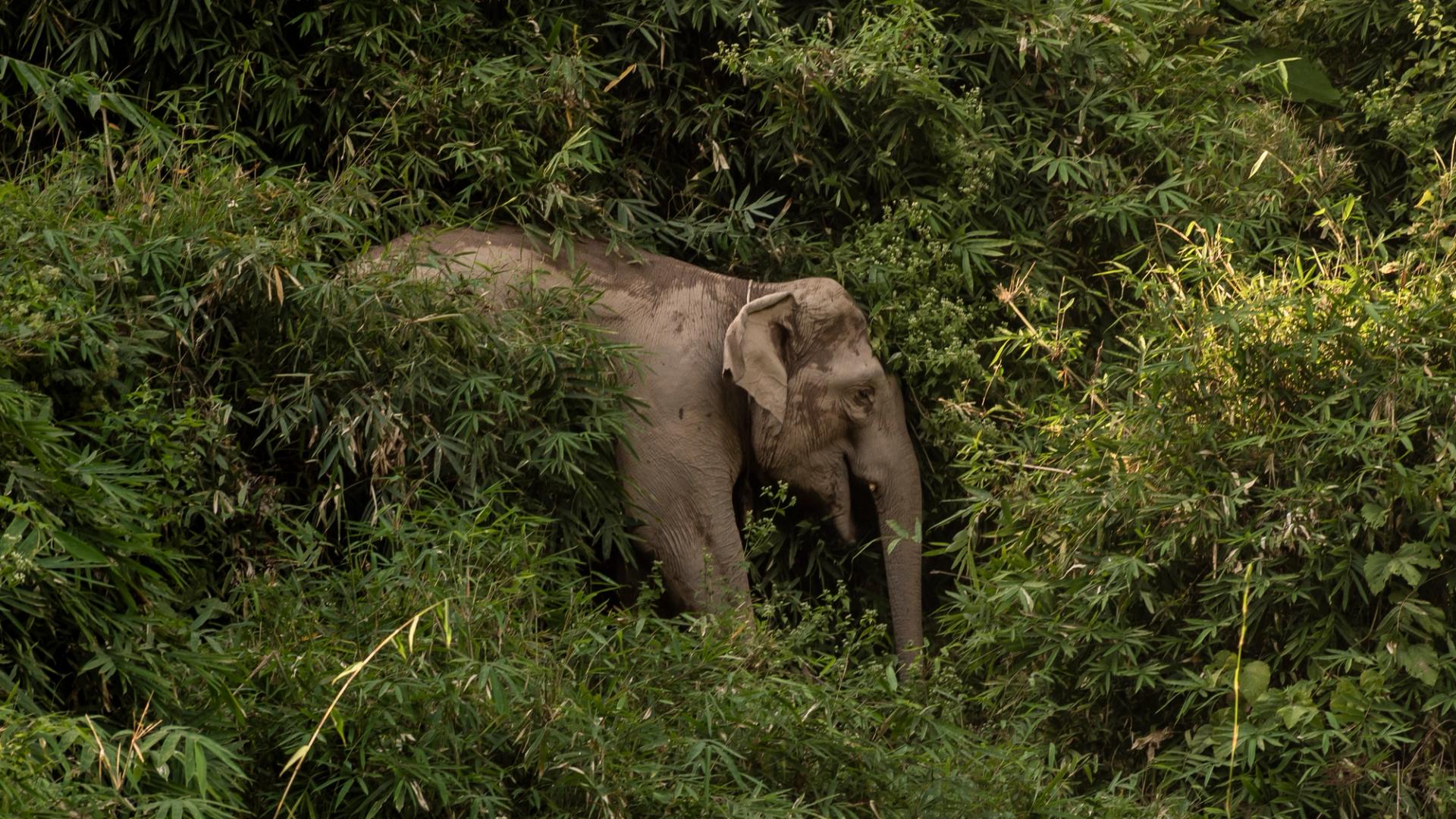
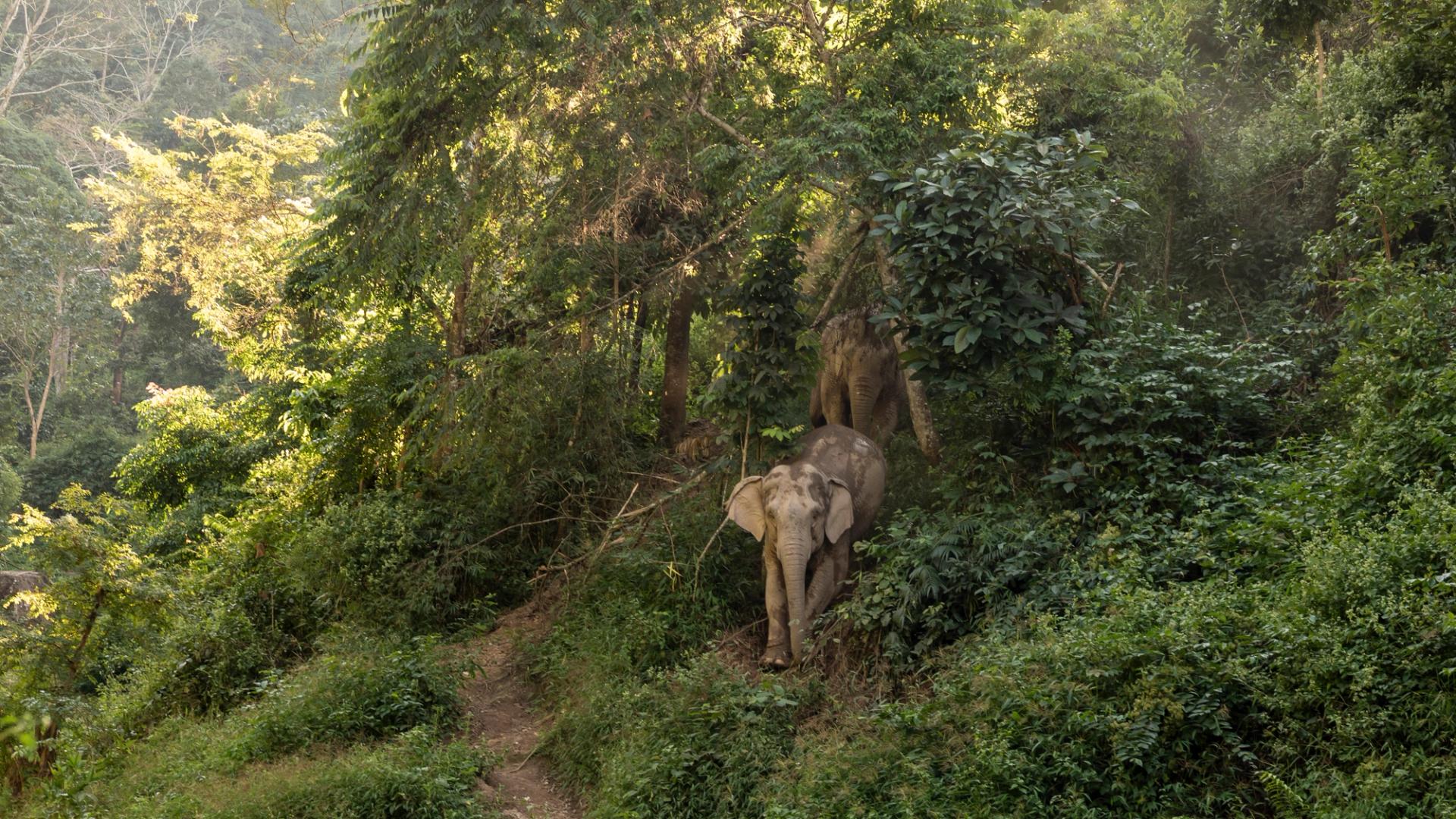
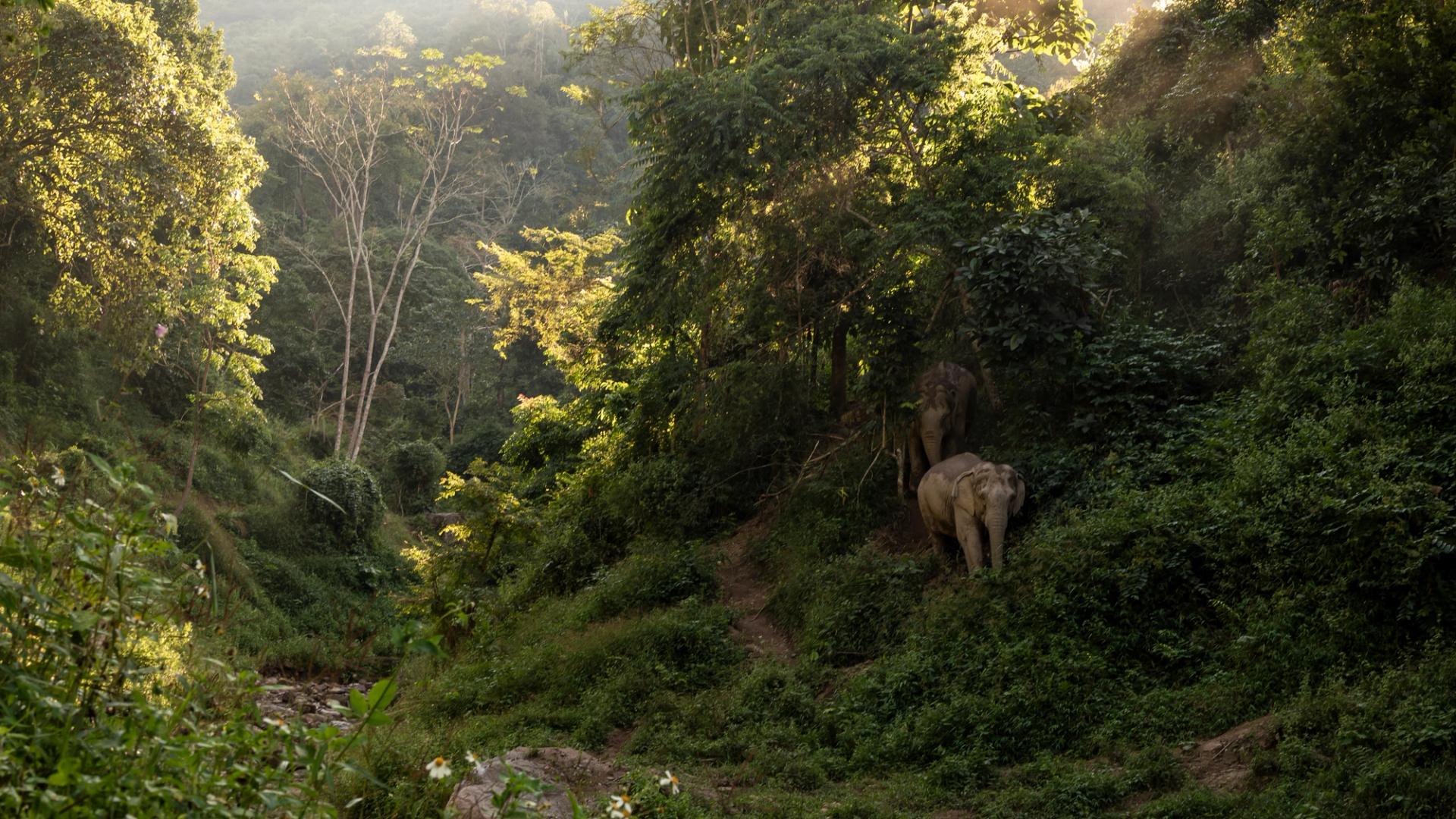
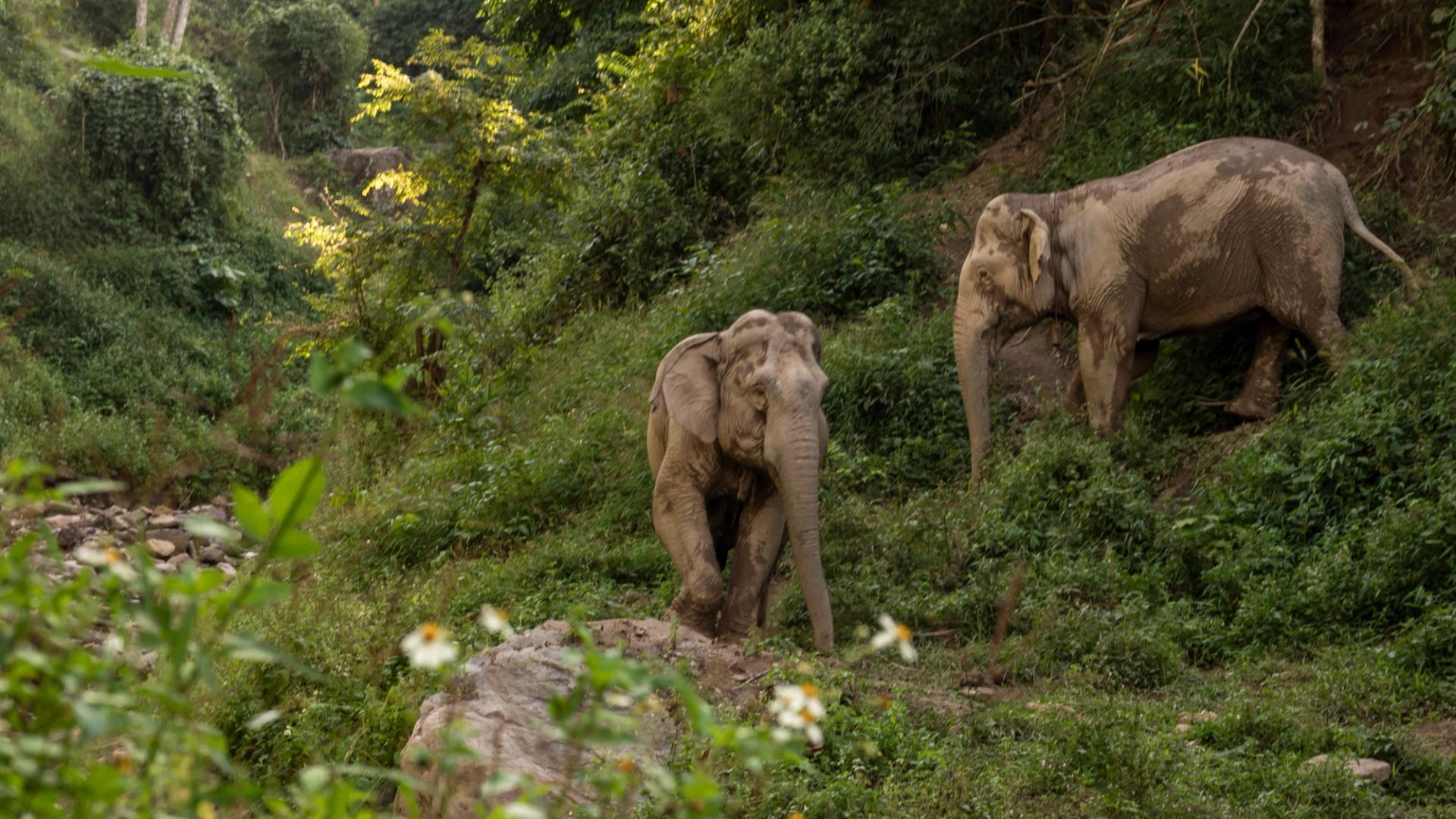
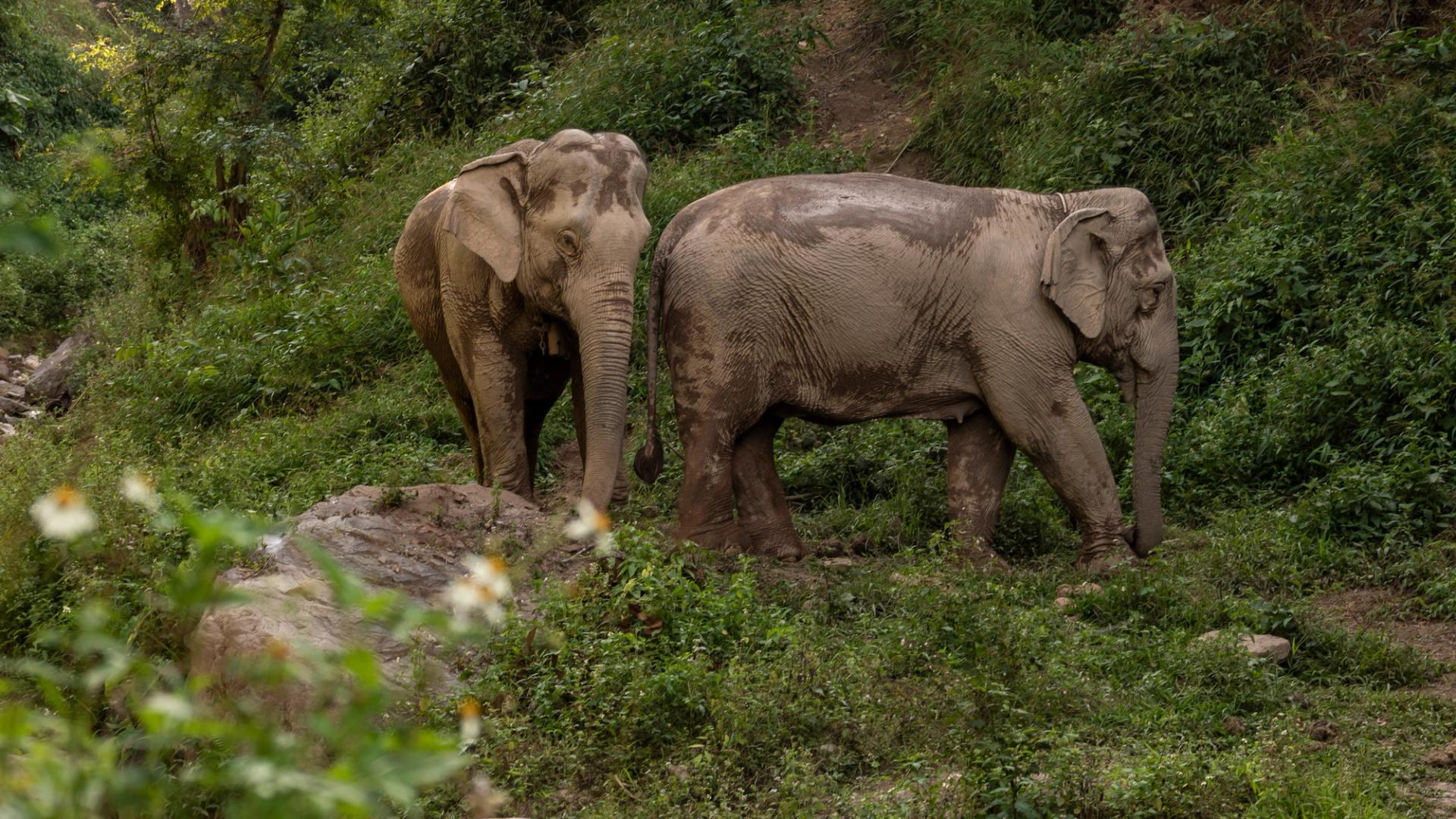
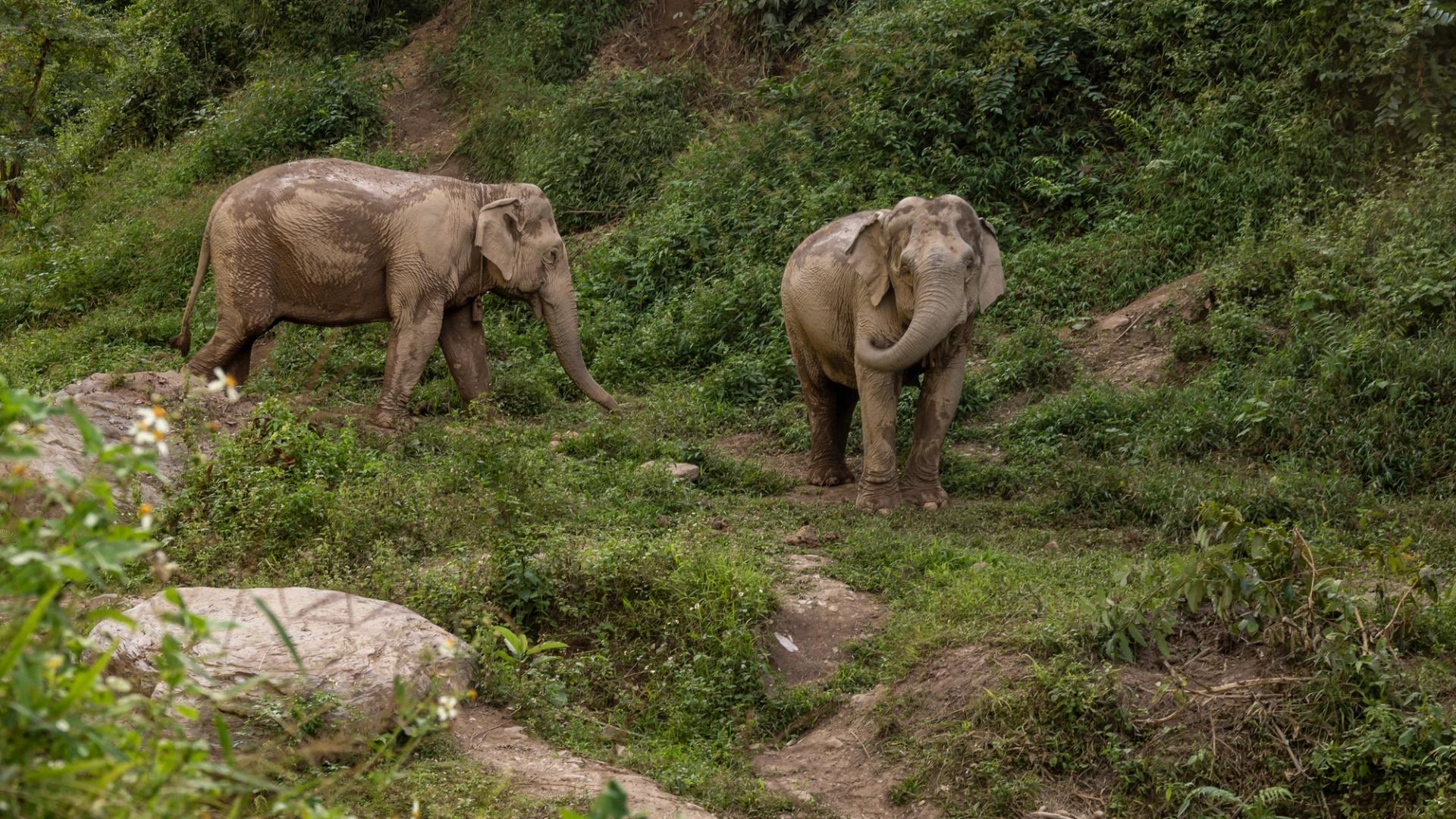
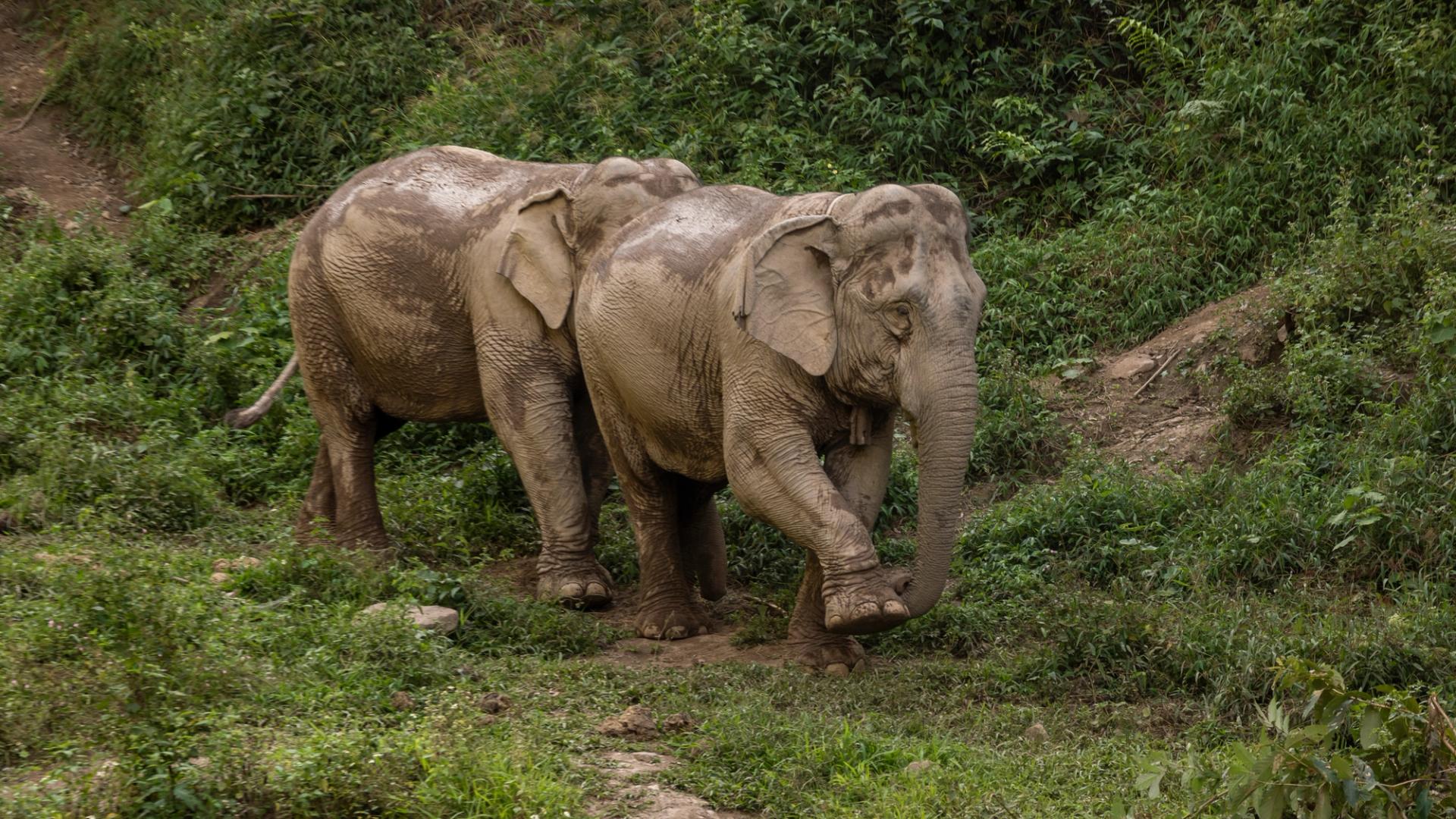
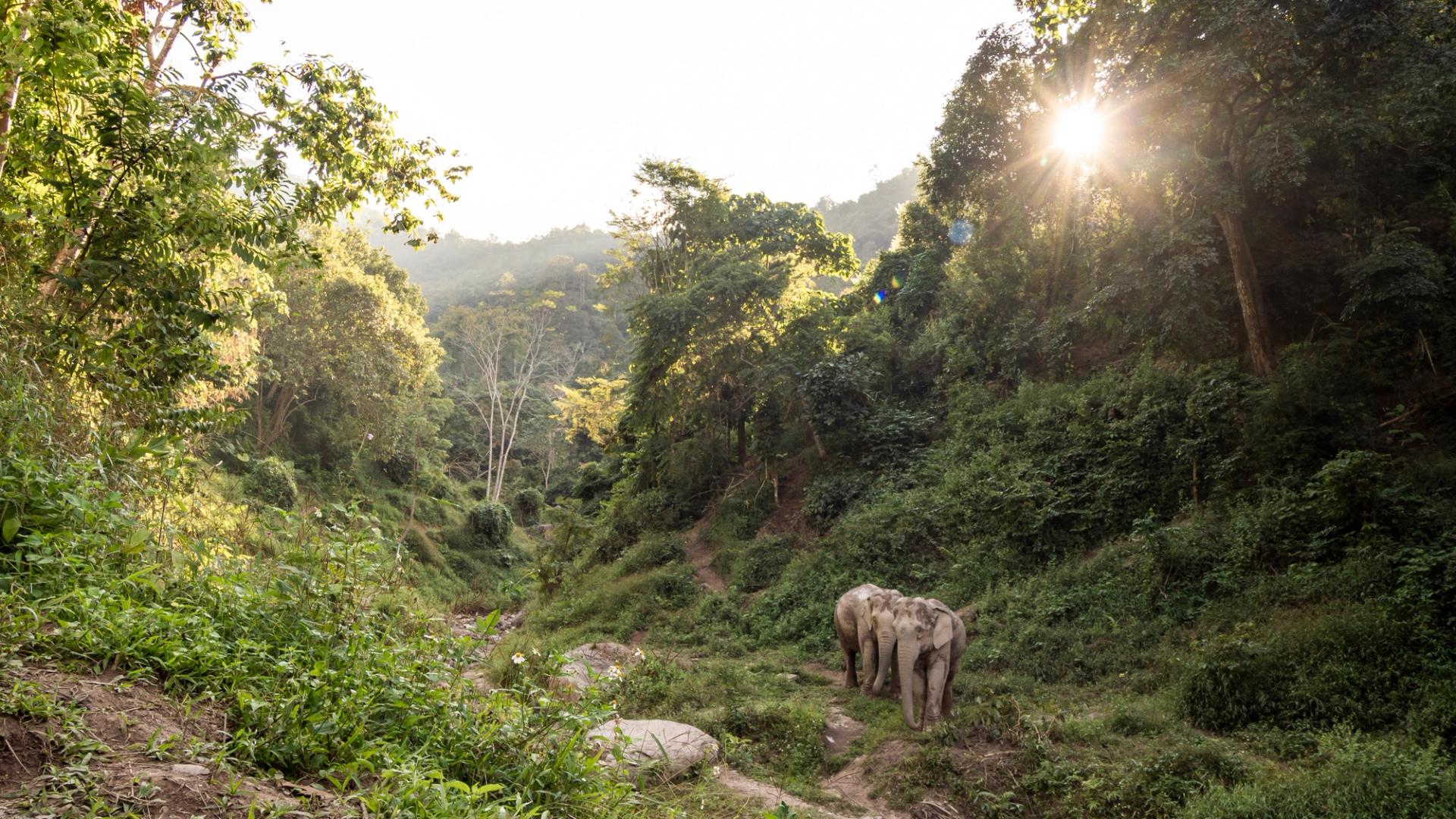
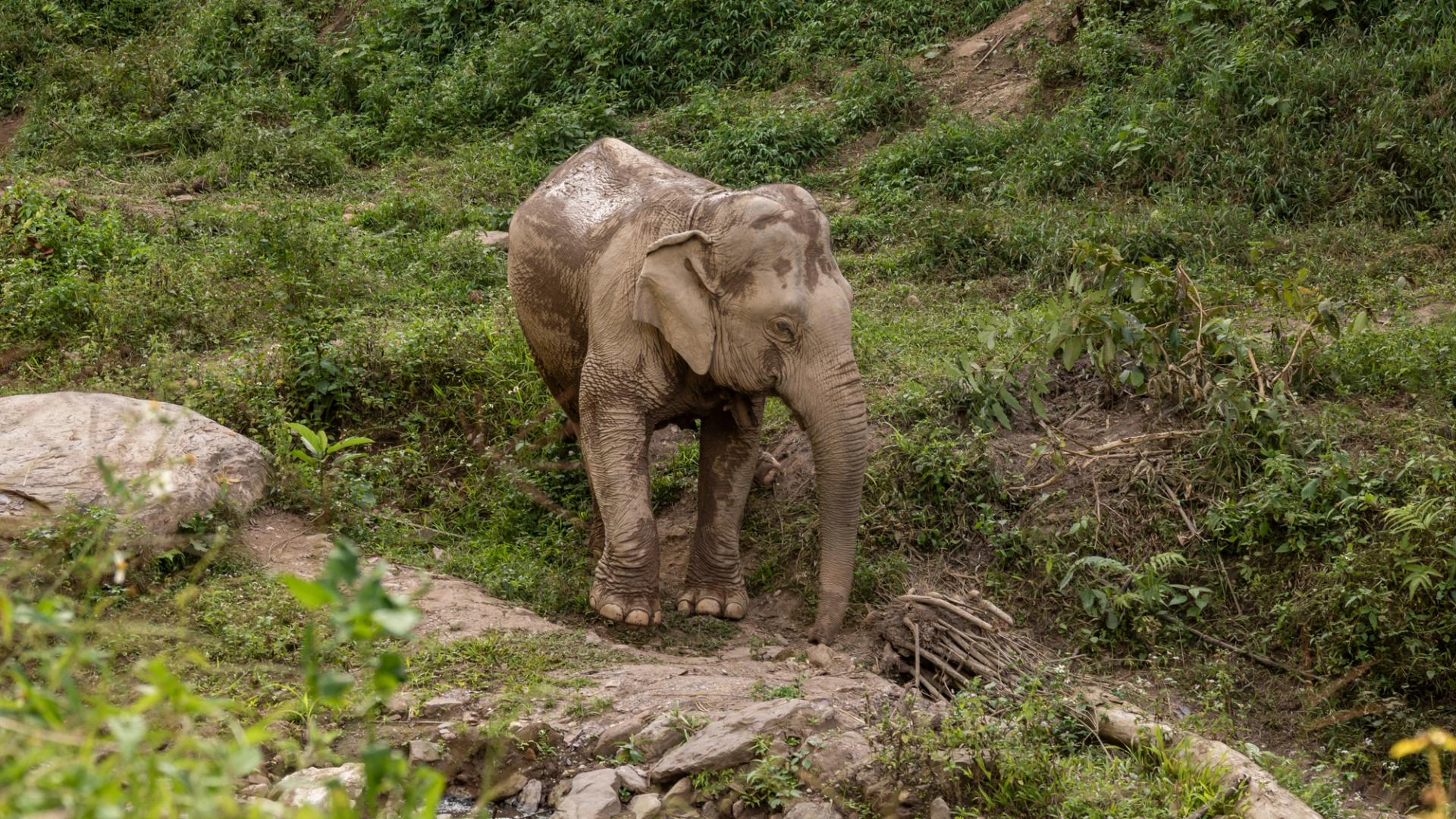
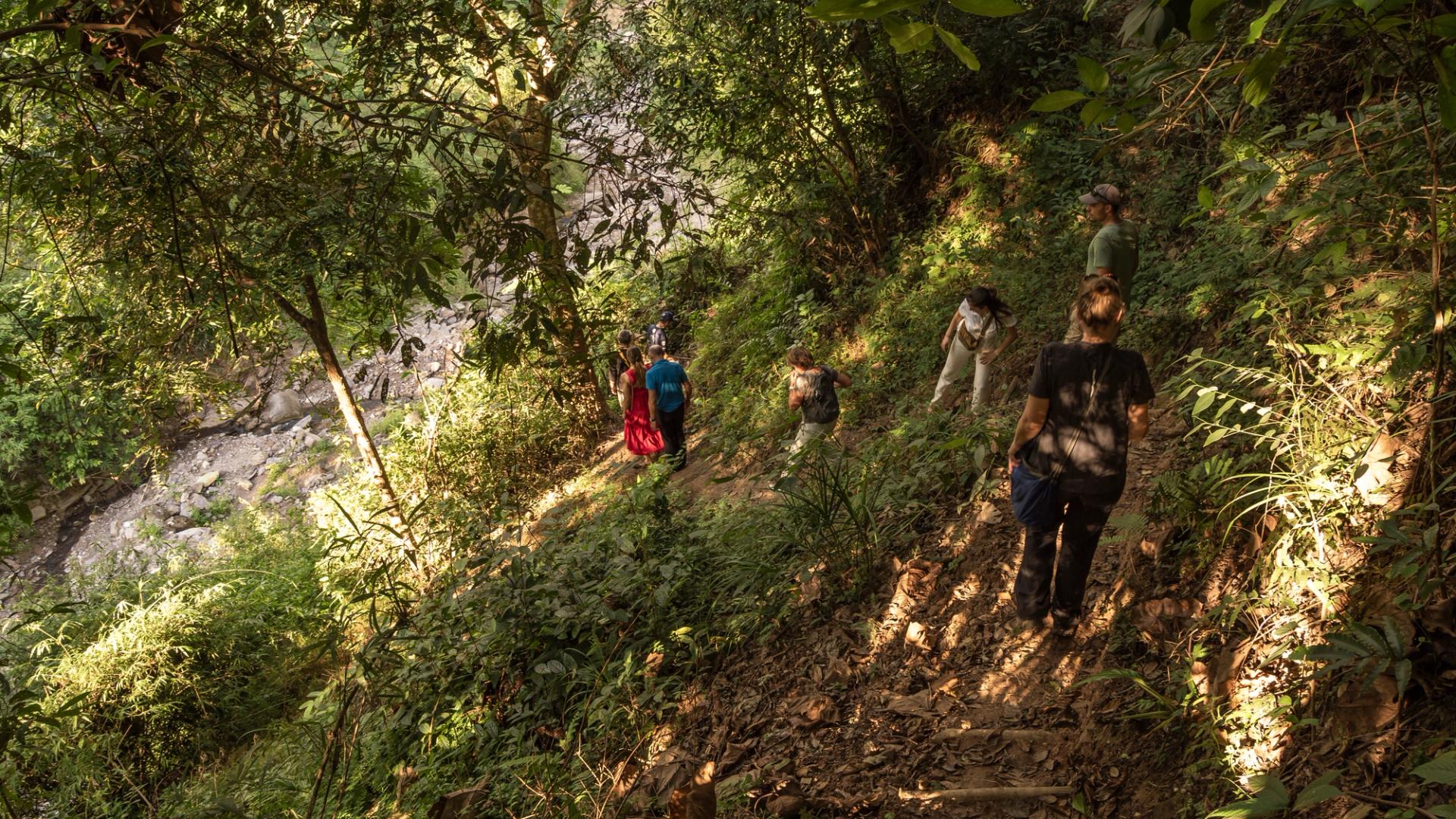
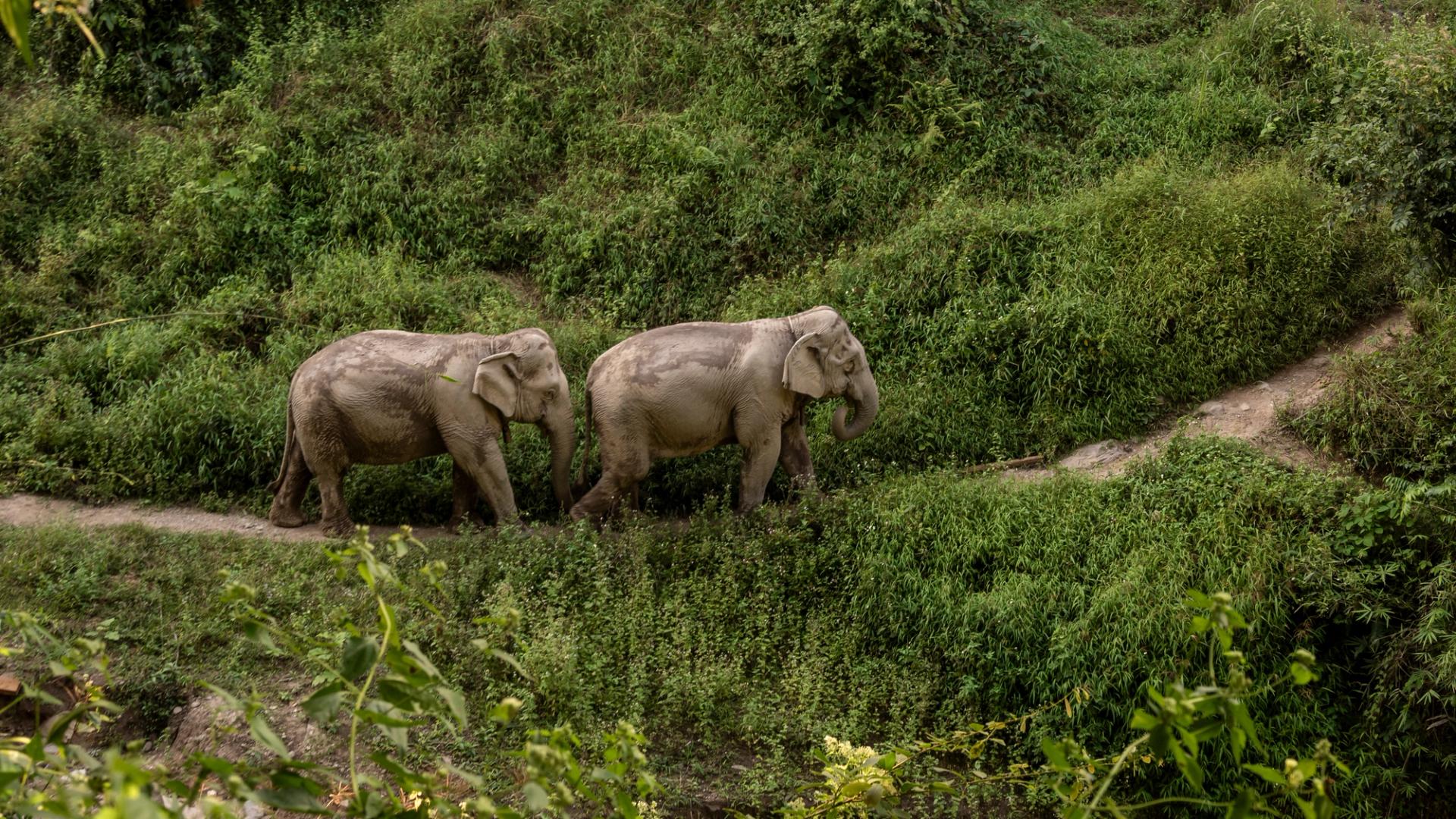
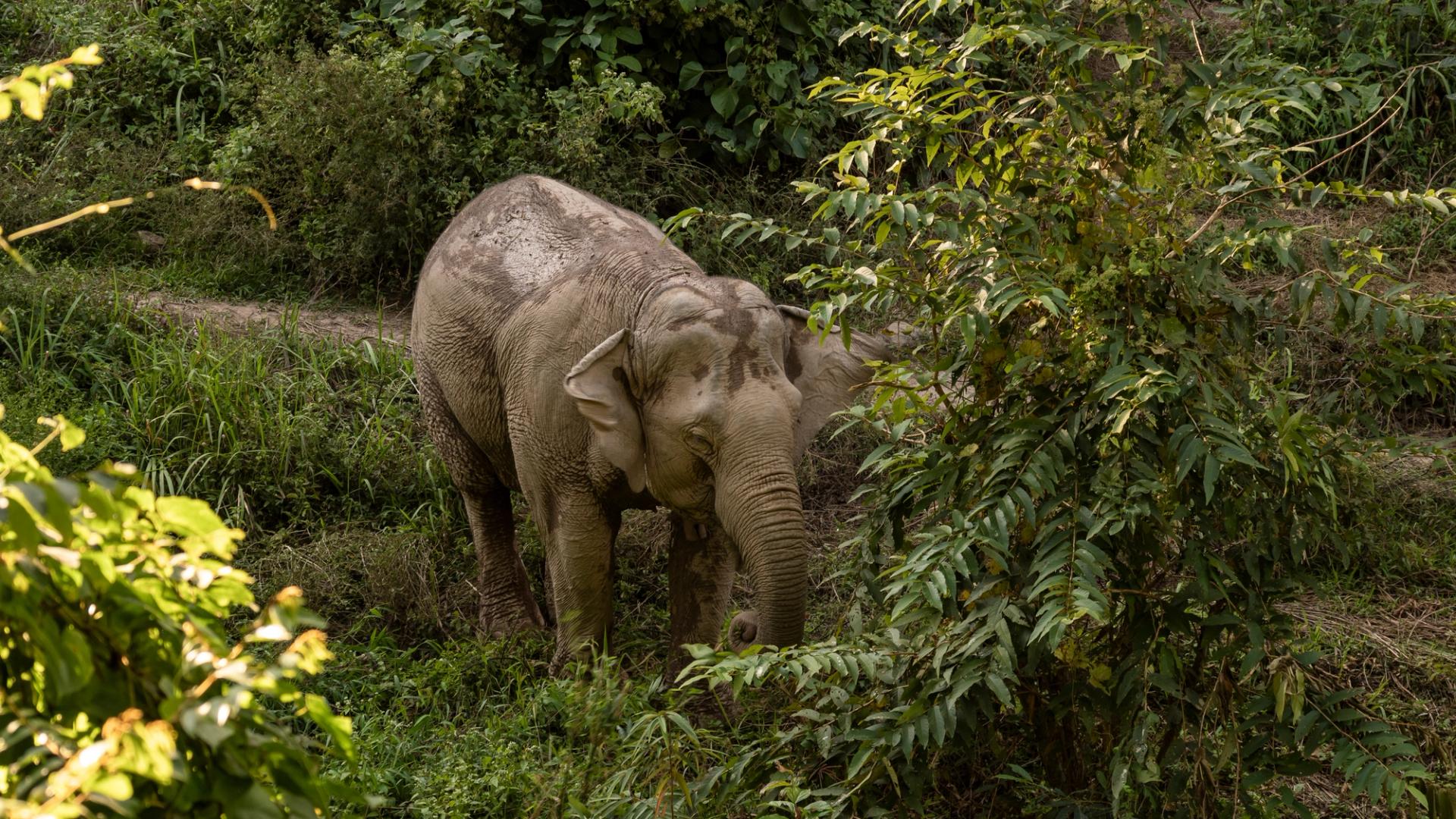
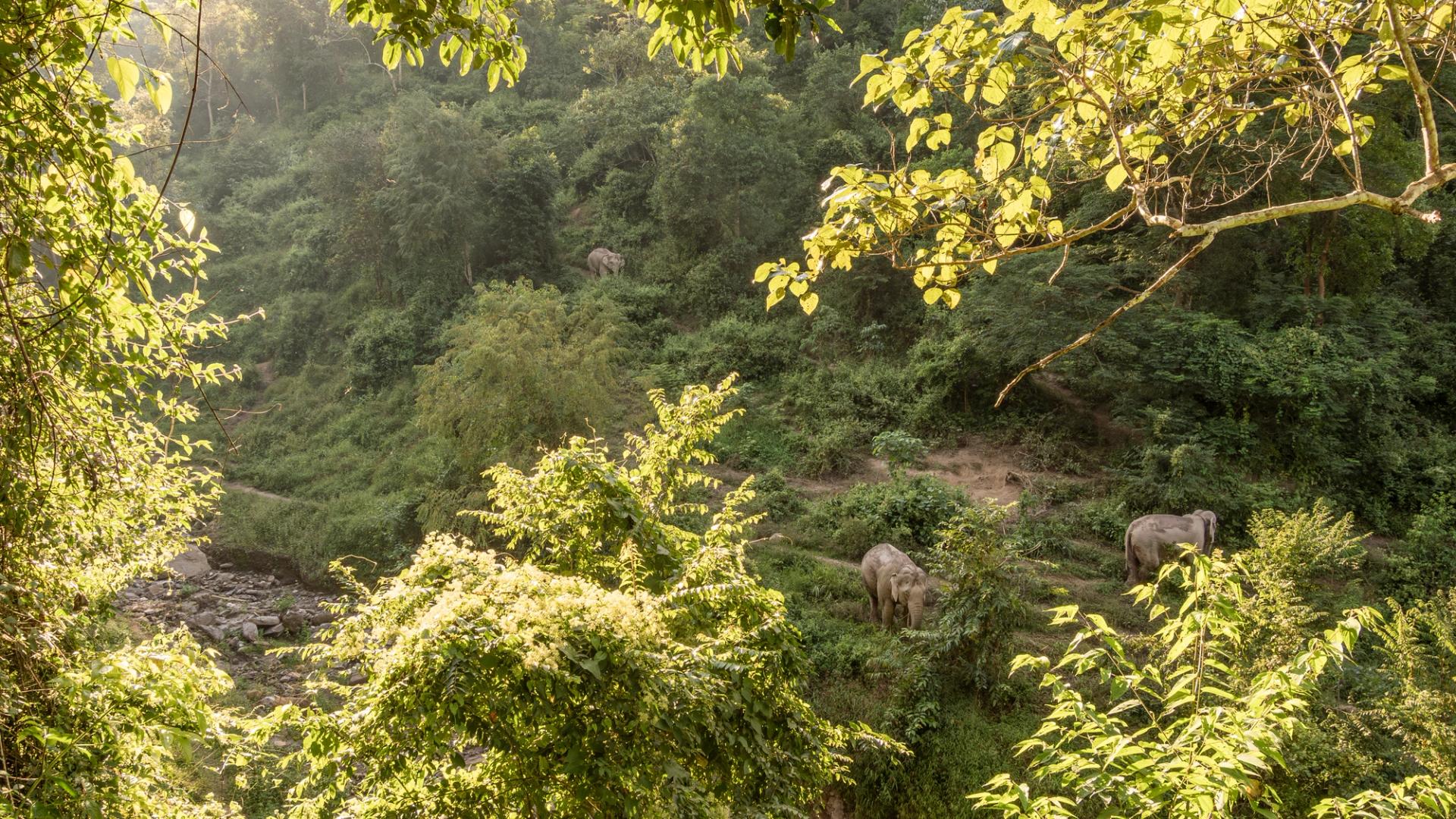
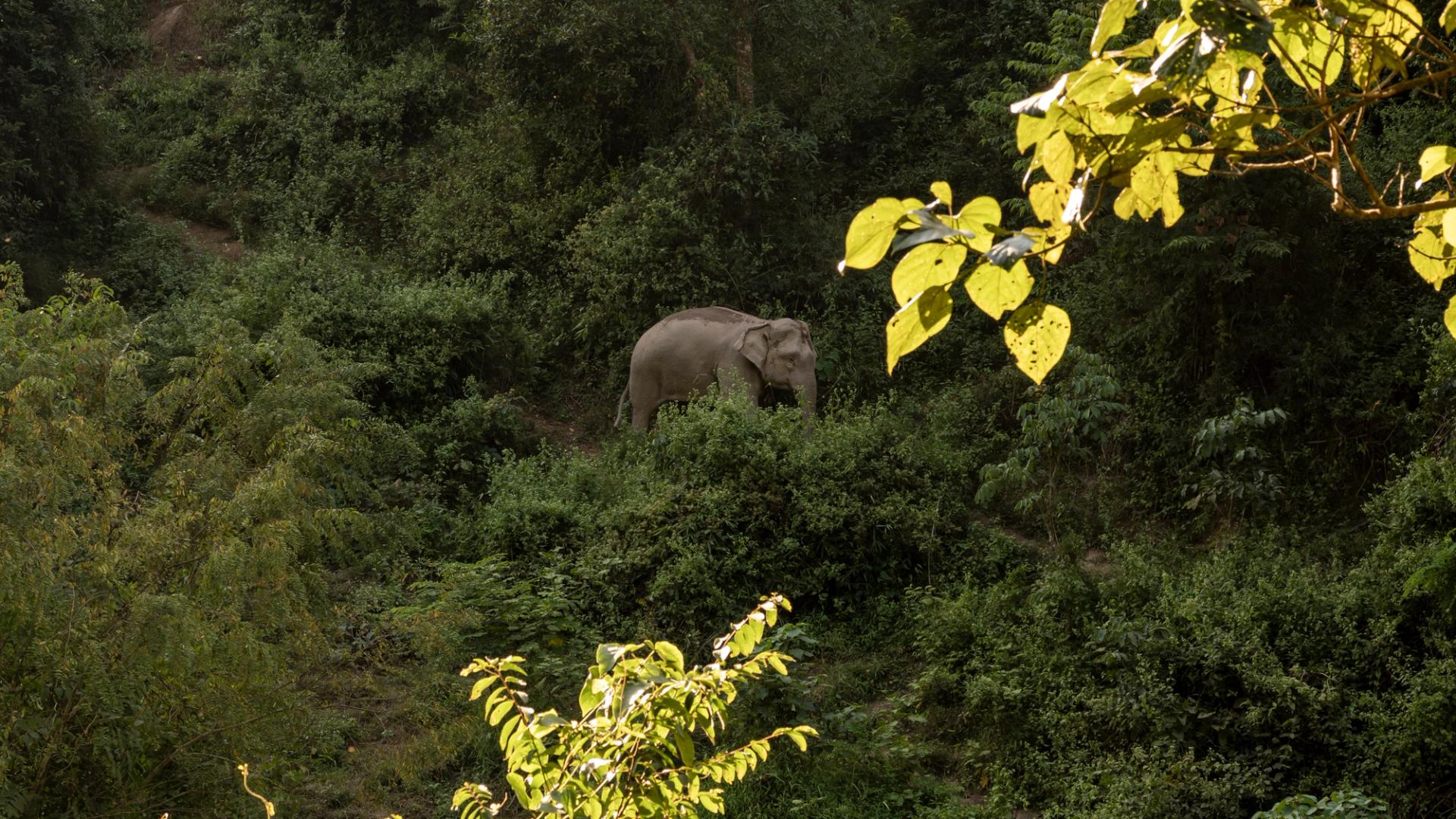
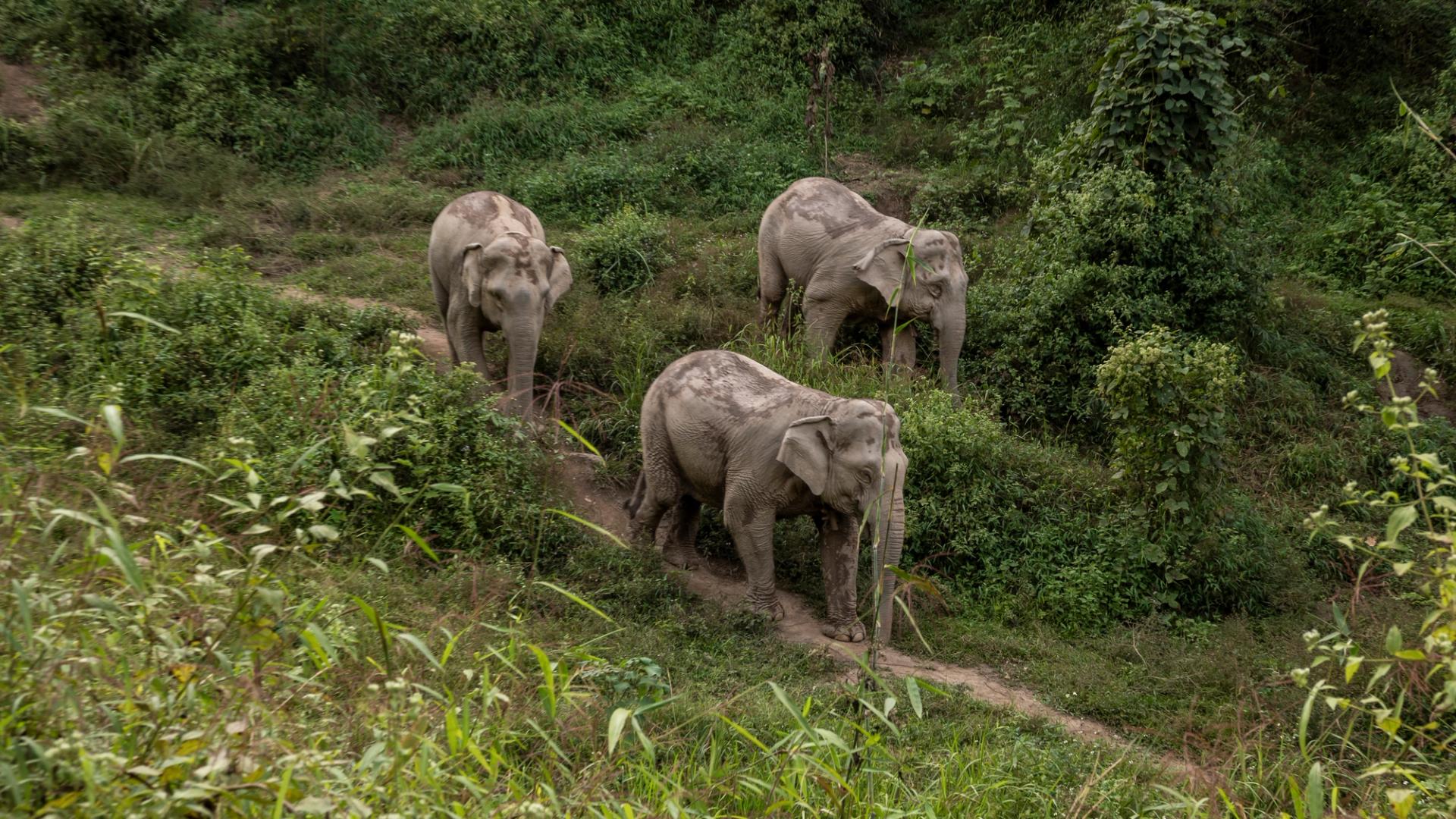
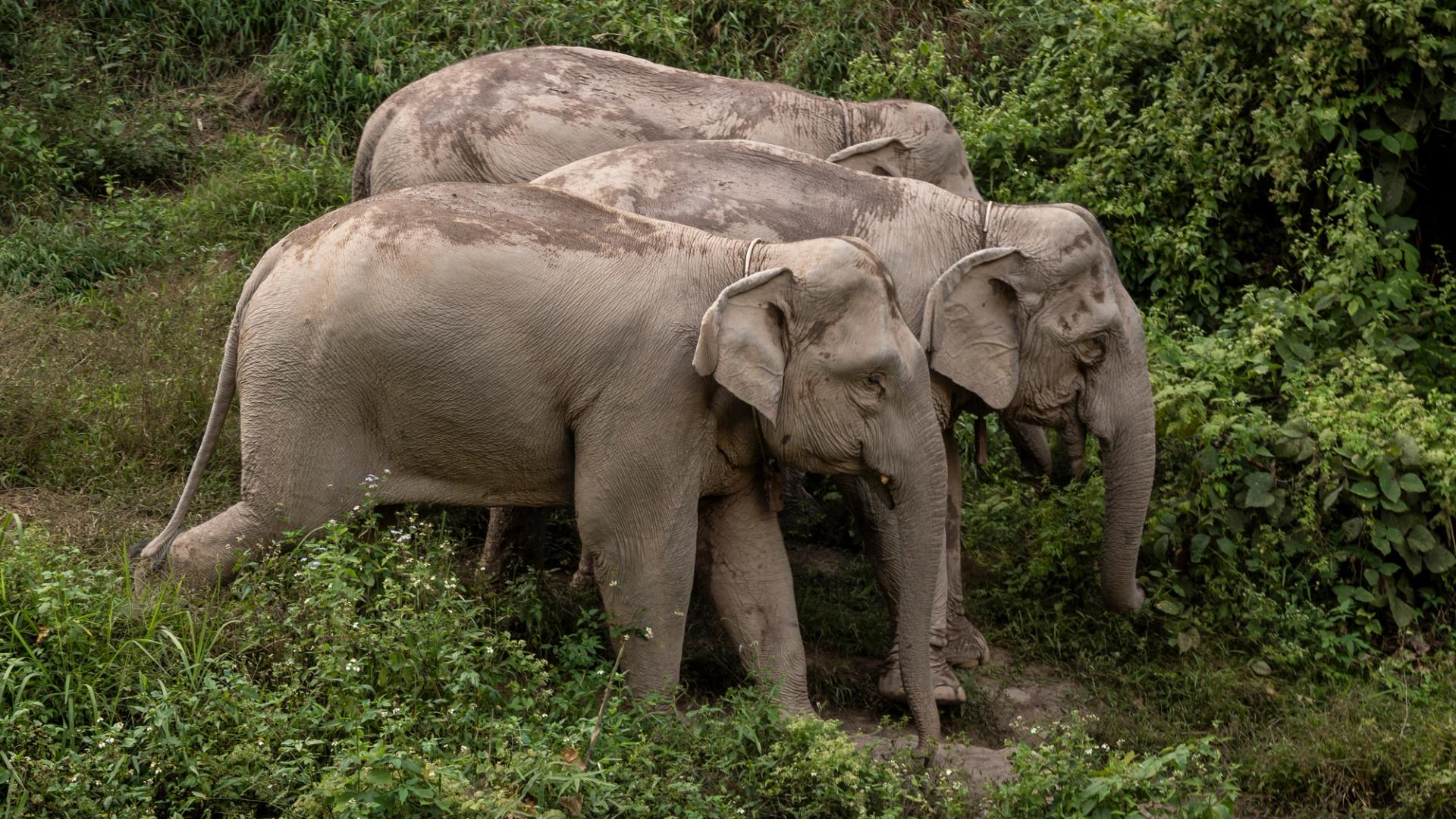
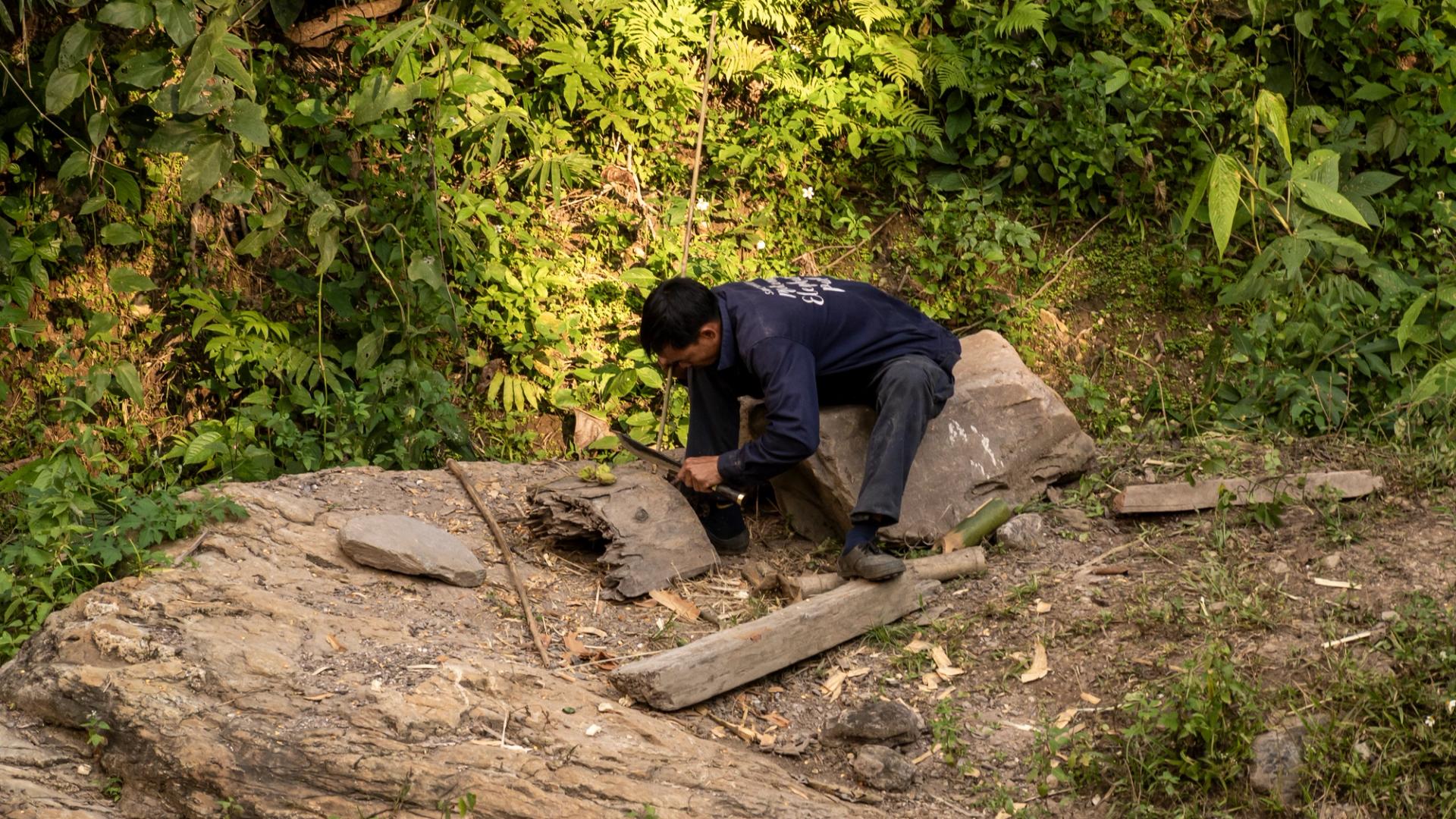
Elephants are no longer ridden here, they are respectfully observed, reunited with lost family and genuinely cared for by their mahouts.
One such reunion involved the recovery of a Laotian female elephant working in a circus in Japan, now reunited with her sister and niece (both rescued from the Laos logging industry) here at the Mekong Elephant Park. The stories of these elephants behaviour at that time is so very moving - the emotional intelligence of these creatures is undeniable, as is the scale of their suffering from the abuse they have received over many decades.
The volunteers at the park explain the difficulty these elephants sometimes have just being elephants - learning how to feed themselves in the forest, how to drink water from the river, how to socialise again ... A pregnant mother gives birth to a calf in the park, a long awaited and joyous occasion, but the mother had no idea how to interact with her calf at the beginning. Having been cruelly 'broken' at a young age, worked continually and denied the social interaction that is key to these animals development and behaviour, it's actually not hard to understand how this - how to be a mother, how to be an elephant - has simply been forgotten.
The people of Laos, perhaps more than other nations, have a long and complex history of living and working with elephants. While we should respect and understand the importance of this in terms of culture and history, times have changed, machines can do what only elephants once could in the wild and brutal landscape of Laos, I hope it can be time for elephants to just be, and perhaps they can even be truly wild once again in this land that was once theirs.
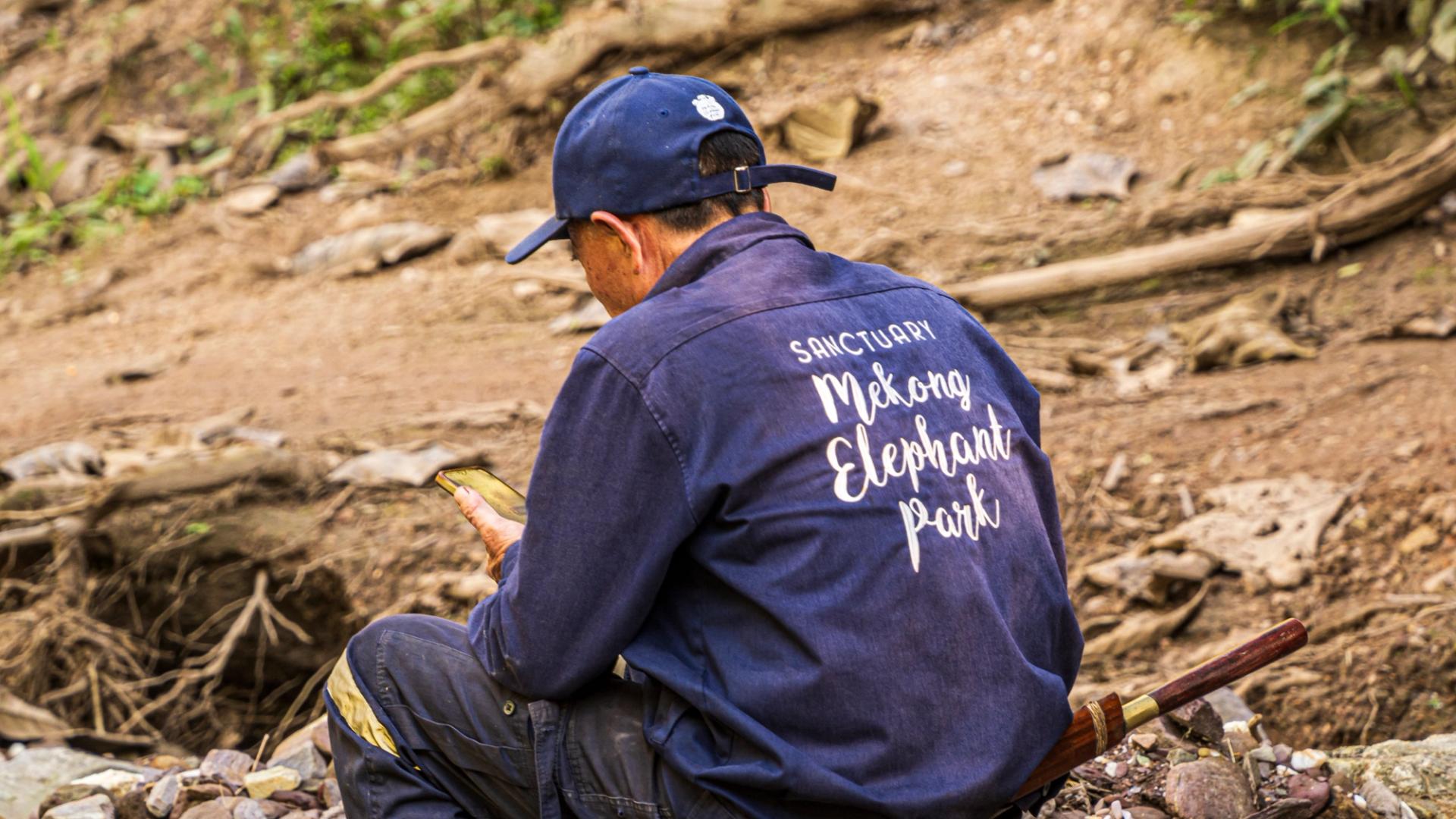
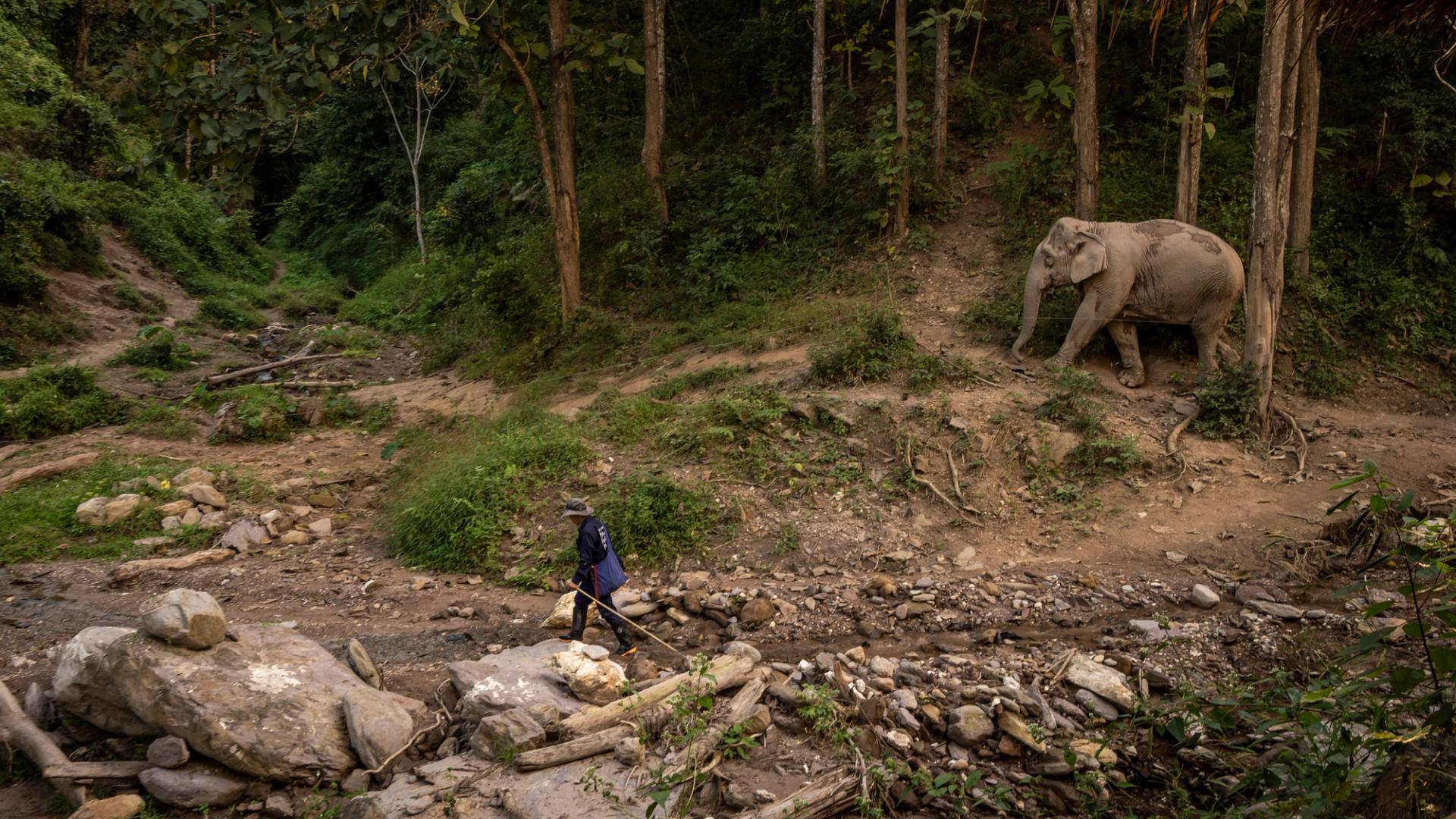
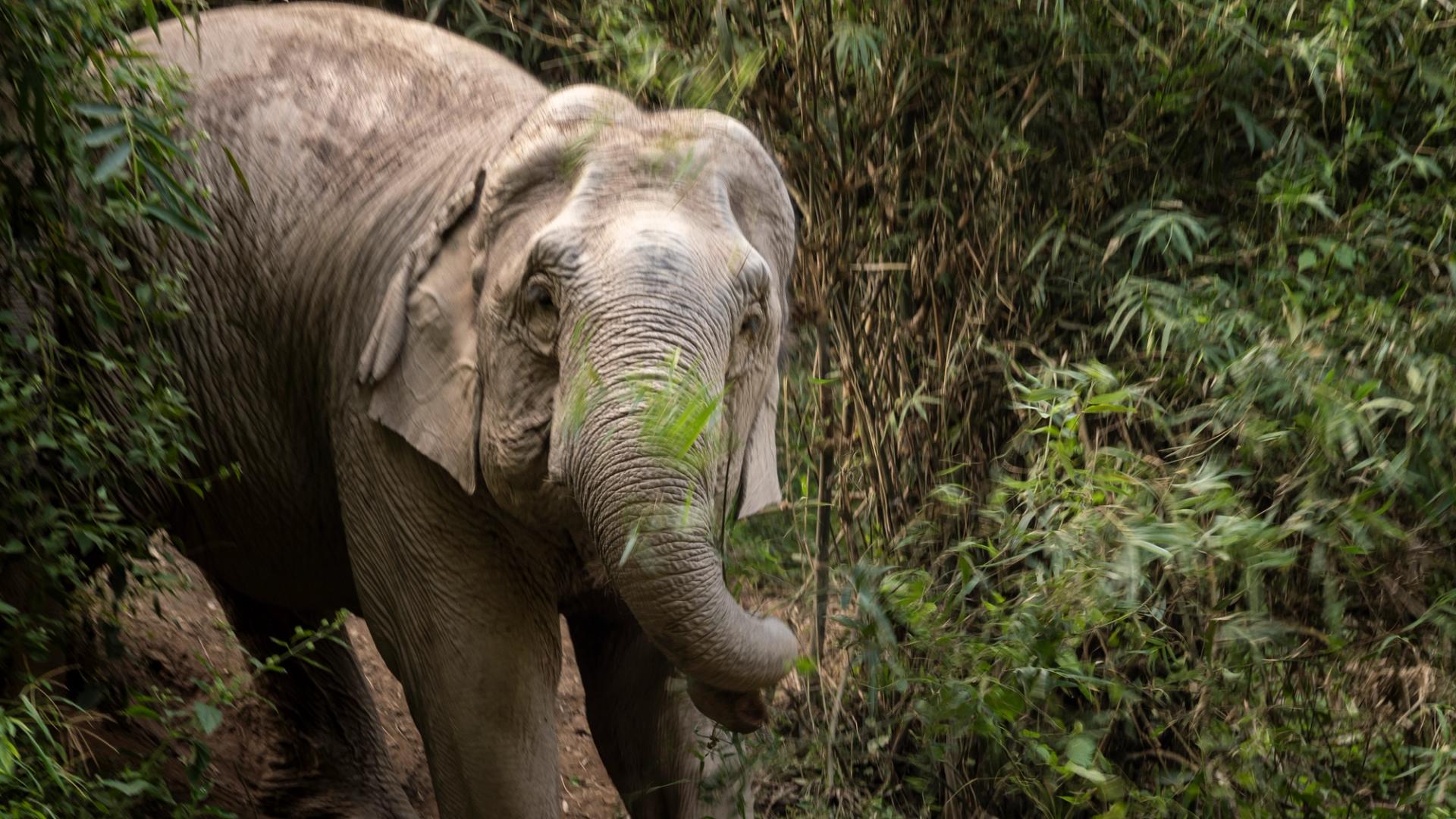
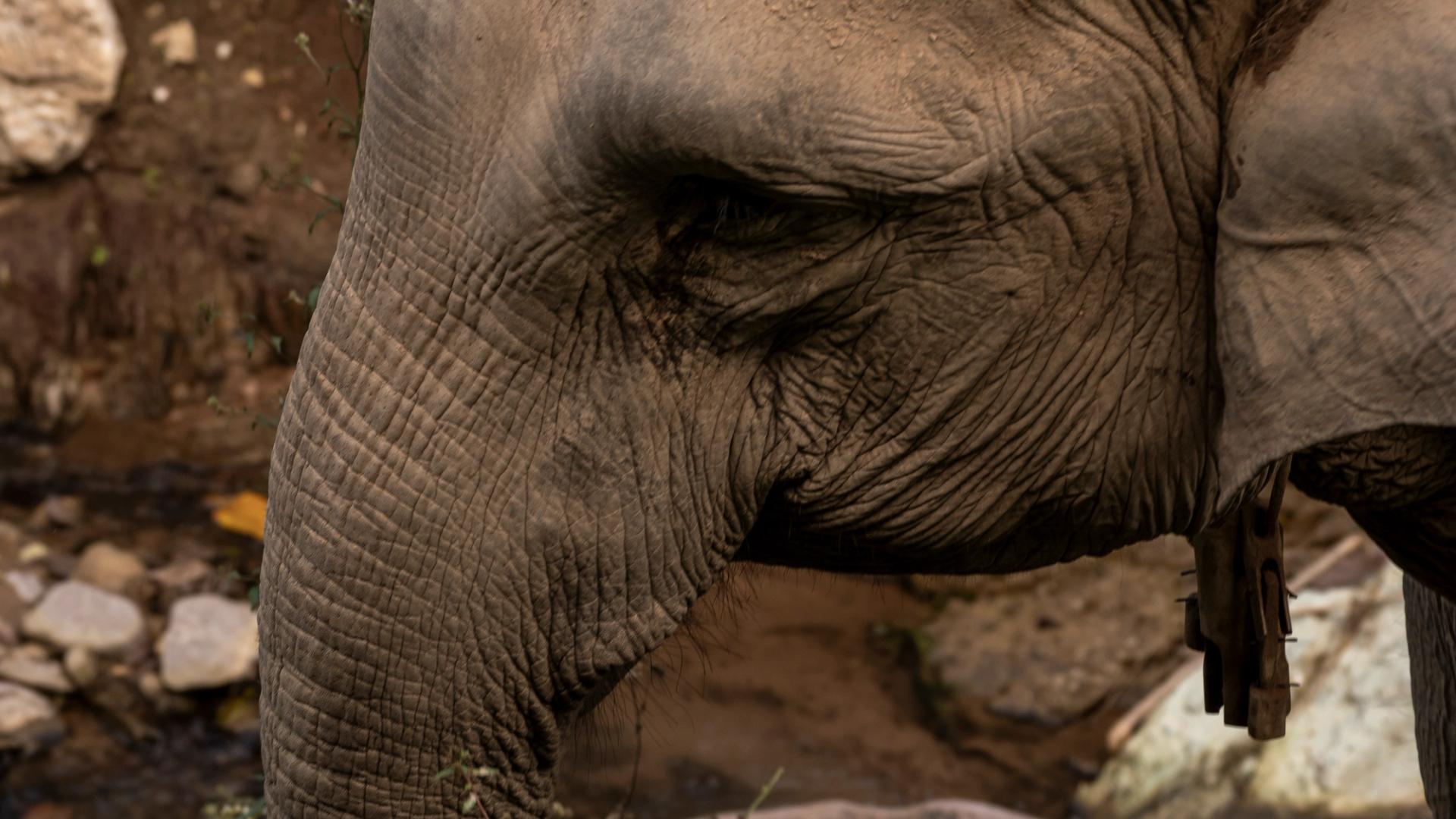
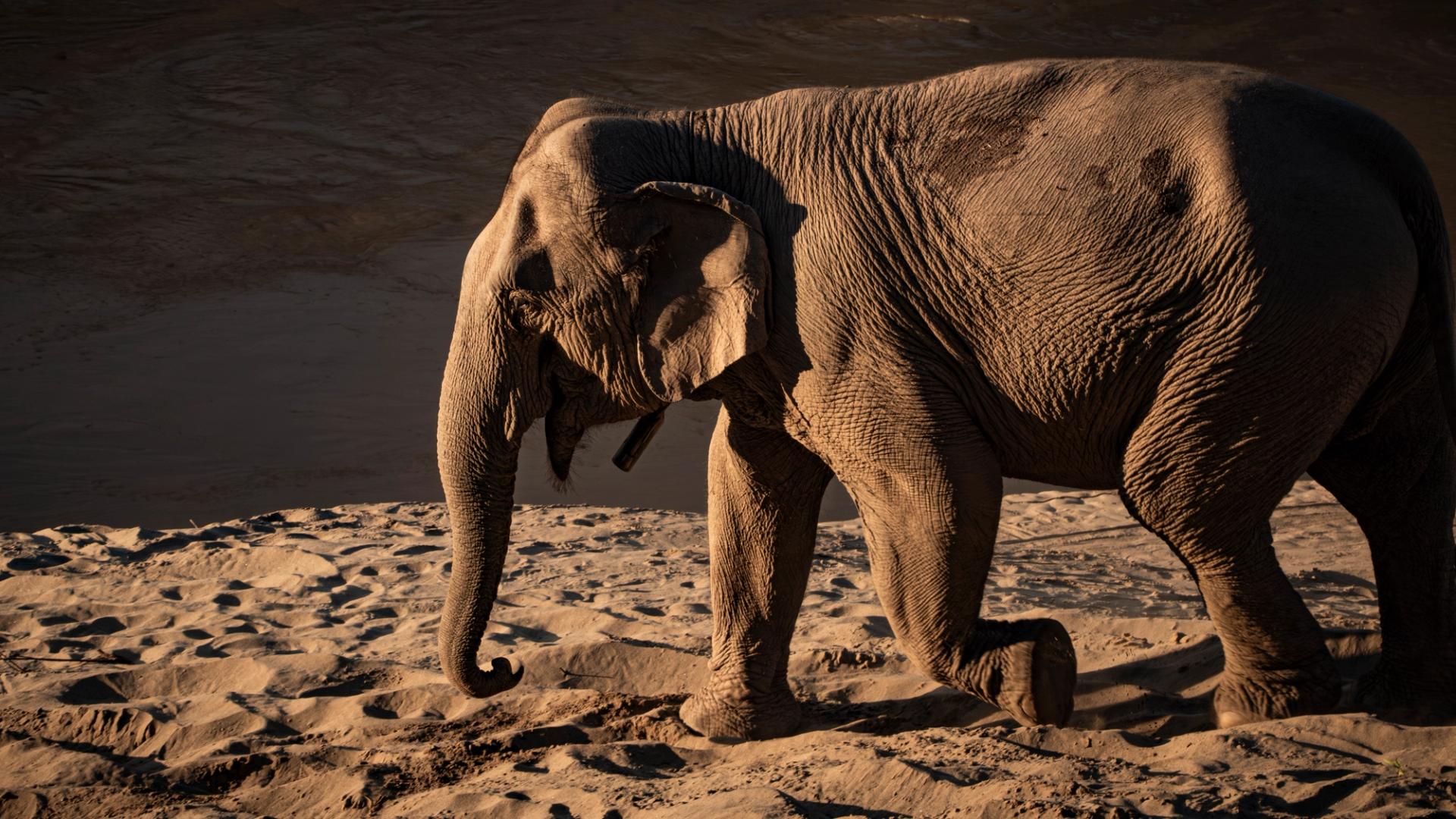
We very much hope that this project is frequented by many likeminded visitors and maintains its current level of government support. If you are ever in Laos, please do visit and support The Mekong Elephant Park
Comments